Beyond smoke and flame, firefighters face unseen chemicals like PFAS. Cambiotics is developing microbiome-based solutions to reduce this chemical burden.
When a firefighter steps into a burning building, every sense is sharpened by risk. The heat, the roar of collapsing structures, the smell of smoke. These are the dangers that training prepares them for. But there’s another kind of threat woven into the very fabric of their gear: a quiet, invisible adversary that clings long after the fire is out.
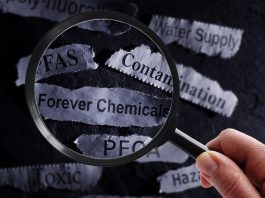
PFAS, short for per- and polyfluoroalkyl substances, are chemicals prized for their ability to resist heat, water, and oil. They’re what make firefighting gear water-repellent and foam effective. Yet, the same properties that make them invaluable also make them nearly indestructible. PFAS persist in soil, water, and, most troublingly, in the human body. They accumulate over time, linked to a range of health concerns such as immune suppression, hormone disruption, and even increased cancer risk.
For firefighters, exposure is part of the job. Every training exercise, every fire fought, every piece of protective gear contributes to a growing burden of invisible contamination. It’s a battle they never signed up for. A fight that continues long after the flames are extinguished.
The hidden threat beyond the firehouse
The challenge of PFAS doesn’t end with those who wear turnout gear. These chemicals are in our homes, our food, and our drinking water. They coat non-stick cookware, line food packaging, waterproof jackets, and seep into groundwater through decades of industrial use. According to the Agency for Toxic Substances and Disease Registry, nearly every person tested in the US has detectable levels of PFAS in their blood. It’s a sobering reminder that the story of forever chemicals is not just one of the occupational hazards; it’s a shared human story. Firefighters may face the highest exposures, yet PFAS contamination is a global issue, touching communities from small rural towns to dense urban centres. The question isn’t whether we’ve been exposed, but how we can reduce that burden.
That’s where Cambiotics enters the picture, not as a saviour, but as a research-driven company working towards finding a new kind of biological defence.
Turning to the microbiome for answers
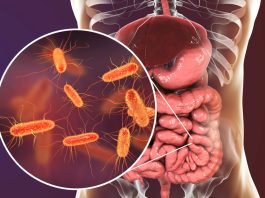
The human gut is home to trillions of microbes that collectively form the microbiome, one of the most intricate ecosystems on Earth. It supports digestion, regulates immunity, and influences everything from metabolism to mood. Now, emerging research suggests it may also hold clues to how the body interacts with environmental toxins.
In 2024, Cambiotics was founded in Denmark with support from the Bio Innovation Institute to explore a transformative idea: that certain gut bacteria might be able to bind PFAS compounds during digestion, helping prevent their reabsorption and supporting their natural elimination from the body.
It’s not a detox in the trendy sense of the word. It’s a carefully engineered microbial intervention, grounded in years of molecular biology and toxicology research. The concept was first validated through groundbreaking work at the University of Cambridge’s MRC Toxicology Unit, where Dr Anna Lindell and Professor Kiran Patil demonstrated that certain gut bacteria could bioaccumulate PFAS in controlled environments. This discovery, published in Nature Microbiology, opened a new frontier in how we think about mitigating chemical exposure from within.
From research to real-world impact
Building on that scientific foundation, Cambiotics identified bacterial strains capable of interacting with PFAS molecules. Amongst many tested, two stood out: Bacteroides strain 46-XY1 and Streptococcus strain 46-SL1. In laboratory models, both showed promising ability to absorb and retain PFAS compounds in the gut environment.
The company’s first product, named 46&, is being developed around these findings. It’s designed not as a cure, but as a supplement that may help the body manage PFAS exposure more effectively. “We’re not claiming to erase exposure,” said Dr Lindell. “Our goal is to support the body’s own capacity to reduce the toxic exposure.” The product is designed to reduce the absorption of PFAS entering from the food and water, as well as the PFAS that is already in the bloodstream. The PFAS in the bloodstream enter the gut naturally through enterohepatic circulation. While most of these chemicals are reabsorbed again, the 46& is designed to bind the PFAS beforehand and excrete through the faeces.
Cambiotics plans to begin its first human clinical trial in 2026, with a projected launch of 46& later that year. While the science continues to advance, the company is also collaborating with firefighter associations and occupational health experts to explore early-access programmes for those at the highest risk. The approach is pragmatic: test rigorously, scale responsibly, and ensure that those who need it most are the first to benefit.
Measuring the invisible
One of the challenges in addressing PFAS exposure is that it’s rarely visible or felt until years later. Unlike burns or smoke inhalation, PFAS accumulation is silent, measured only through testing. To bridge that gap, Cambiotics has partnered with Quest Diagnostics in the United States to integrate PFAS testing alongside its probiotic intervention. The idea is simple but powerful: give people a way to measure their PFAS burden, and a tool to help address it.
For firefighters and other high-exposure groups like military personnel and industrial workers, this integration could be transformative. It shifts the narrative from passive exposure to proactive management, turning invisible risk into quantifiable action.
A shared responsibility
While the company’s initial focus is on those most directly exposed, Cambiotics’ broader message is one of collective responsibility. PFAS contamination is a systemic issue, one that no individual can solve alone. Regulatory efforts to phase out PFAS are underway in many countries, but replacement chemicals and legacy contamination ensure the problem won’t disappear overnight.
Microbiome-based solutions, like the one Cambiotics is developing, aren’t a substitute for environmental reform; they’re a complement. They offer a way for individuals to engage with their own health while broader policy and industrial changes take shape. In this sense, Cambiotics isn’t just developing a product; it’s helping redefine what personal resilience against pollution might look like in the 21st century.
Beyond PFAS: The future of microbiome innovation
Cambiotics’ research may start with PFAS, but its implications stretch further. The microbiome’s ability to interact with toxins suggests new pathways for addressing other persistent pollutants, heavy metals, plasticizers, and even microplastics.
“The microbiome is one of the most adaptive systems in nature,” said Professor Patil. “If we can understand and guide its interactions with contaminants, we may open doors to protecting health in ways we’ve never had before.”

The company’s long-term vision is to build a platform for microbiome-based detoxification. Developing targeted probiotic strains for different classes of contaminants. It’s a future that blends ecology and biotechnology, where the same microbes that evolved alongside us could help us adapt to the modern world we’ve created.
A race against time and exposure
For firefighters, time is often measured in seconds. But when it comes to PFAS, the clock runs in years. Every call answered, every gear washed, every shift spent near foam or smoke adds imperceptibly to the body’s chemical load. The consequences may take decades to surface.
Cambiotics’ timeline reflects that urgency. With clinical trials set for 2026 and a consumer launch planned later the same year, the company is racing not against competitors but against cumulative exposure. Each passing year brings new data confirming the risks of PFAS and, with it, a stronger mandate for innovation.
The company’s founders are candid about the challenges ahead. Translating laboratory results into real-world outcomes requires not just scientific rigour but also regulatory approval, manufacturing consistency, and global collaboration. Yet, their progress so far signals that solutions may not be as distant as they once seemed.
The power within
Firefighters have always relied on layers of protection — helmets, gloves, and oxygen tanks — to survive their work. Cambiotics’ approach adds another, quieter layer: one that begins not on the skin but in the gut. It’s a reminder that, sometimes, the most powerful defences are internal.
For the broader public, the lesson is similar. While policy and clean-up efforts must continue, individual empowerment matters. Supporting the microbiome, understanding exposure, and participating in data-driven health solutions can all help tilt the balance toward resilience.

The story of PFAS is one of human invention outpacing human foresight. But it can also be a story of how innovation, when guided by humility and biology, helps restore that balance. Cambiotics’ work doesn’t promise miracles; it represents a new way of thinking about how we coexist with the chemicals that shape modern life.
Firefighters fight more than flames; we all do. The difference now is that science is beginning to offer us a way to fight back, not just with new technologies, but with the ancient allies that have been inside us all along.
Disclaimer
These statements have not been evaluated by regulatory authorities. Any future products are not intended to diagnose, treat, cure, or prevent any disease and will depend on successful clinical evaluation and regulatory approval.
About Cambiotics
Cambiotics is a pioneering biotech company dedicated to developing next-generation probiotic solutions to help reduce levels of PFAS, widely known as ‘forever chemicals,’ in the human body. Founded in 2024 with support from Denmark’s Bio Innovation Institute, Cambiotics builds on groundbreaking research from the University of Cambridge that identified gut bacteria capable of capturing PFAS and supporting their natural excretion. The company is preparing for its first human clinical trial in 2026 and plans to launch its debut product under the brand name 46& later that year. Cambiotics is also working to provide early access for high-risk groups such as firefighters and military personnel.
For press inquiries, please contact Nila Amado at
nam@cambiotics.com or +45 26 46 48 81.