The EU’s Packaging Waste Directive signifies a pivotal moment in the approach to packaging sustainability.
By mandating recyclable and reusable packaging it challenges industries to innovate. This shift could reshape consumer behaviour and industry practices alike.

However, the implications of these changes extend beyond compliance. How will businesses adapt to the new landscape? What cultural shifts might emerge as reusability becomes the norm?
The end of single-use? Inside the EU’s bold shift toward reuse and circularity
The introduction of the Packaging and Packaging Waste Regulation (PPWR) signals a significant shift in the European Union’s approach to packaging.
By emphasising a transition from single-use products to reusable and circular systems, the regulation aims to drastically reduce packaging waste.
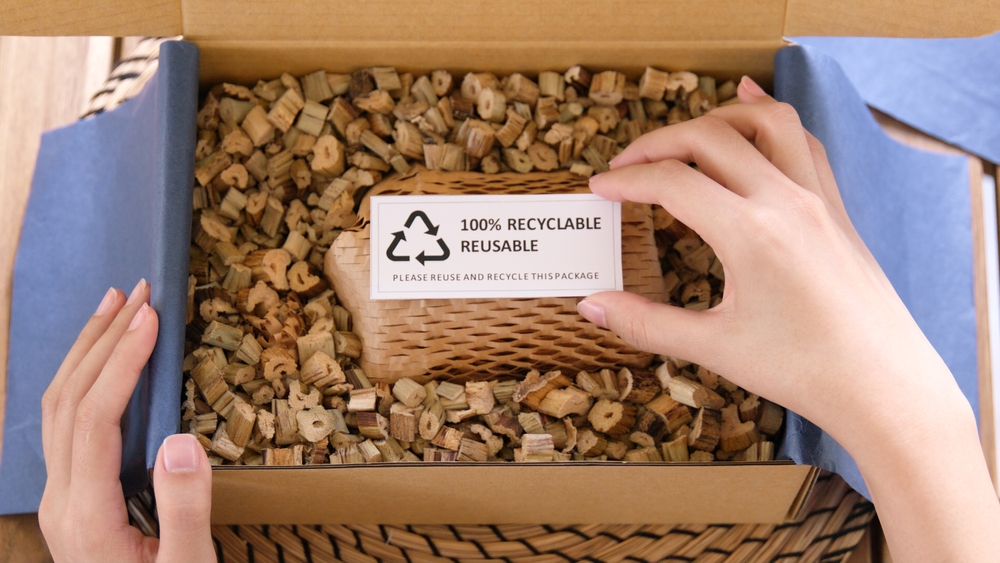
The PPWR sets ambitious targets, mandating that all packaging be recyclable by 2030 and promoting the use of minimum recycled content. Additionally, restrictions on certain single-use plastics reflect the EU’s commitment to sustainability.
Businesses will be required to adapt their practices, allowing customers to use their own containers for takeaway items without incurring extra charges. This bold shift not only addresses environmental concerns but also encourages a cultural change toward sustainable consumption.
As the EU prioritises circularity, the implications for manufacturers, retailers, and consumers are profound, potentially transforming the entire packaging industry.
From recycling to reuse: Redefining what ‘sustainable packaging’ really means
As the EU implements the PPWR, the definition of sustainable packaging is evolving from a focus on recycling to prioritising reuse.
This shift reflects a broader understanding that simply recycling materials is insufficient to address the growing environmental challenges associated with packaging waste.
By emphasising reuse, the EU aims to reduce the overall volume of packaging produced and encourage a circular economy where products are designed for multiple life cycles.
Businesses are now encouraged to adopt innovative strategies, such as refillable containers and returnable packaging systems, which not only minimise waste but also foster consumer engagement.
This redefined approach challenges manufacturers to rethink their packaging designs, ensuring durability and functionality for repeated use.
Ultimately, this transition from recycling to reuse not only aligns with the EU’s sustainability goals but also sets a precedent for global packaging practices, marking a significant step toward a more responsible and resource-efficient economy.
Eco-design at the core
With the implementation of the PPWR, eco-design has emerged as a fundamental principle guiding the evolution of packaging requirements within the EU.
This shift emphasises the design of packaging that is not only functional but also sustainable, aiming to minimise environmental impact throughout its life cycle.
The PPWR mandates that all packaging must be recyclable in an economically viable manner by 2030, promoting a circular economy.
Requirements are becoming stricter, as the regulation addresses the entire packaging life cycle, from material selection to waste management.
Specific targets for minimum recycled content have been established for 2030 and 2040, encouraging innovation in material recovery and reuse. Additionally, restrictions on single-use plastics highlight the EU’s commitment to reducing waste and fostering sustainable practices.
Navigating new compliance, costs, and innovation
The implementation of the PPWR)is poised to significantly impact industries across the European market, presenting both challenges and opportunities.
As businesses adapt to new compliance requirements, they must navigate increased costs associated with sustainable packaging innovations. Companies will need to invest in research and development to meet the PPWR’s stringent standards for recyclable materials and minimum recycled content.
This shift towards circular packaging not only necessitates financial investment but also demands a cultural change within organisations, fostering a mindset geared toward sustainability.
Industries may face initial hurdles in adapting their supply chains and manufacturing processes; however, those who embrace these changes can gain a competitive advantage.
Ultimately, the PPWR can drive innovation, pushing businesses to create more efficient, sustainable packaging solutions that align with the EU’s climate goals while simultaneously enhancing their market position in an increasingly eco-conscious consumer landscape.
Sectors facing the biggest packaging shake-up
Amid growing environmental concerns, various sectors, notably takeaway food services and e-commerce, are experiencing a significant upheaval in packaging practices due to the impending PPWR.
These industries, which heavily rely on single-use packaging, face stringent new requirements aimed at reducing waste and promoting sustainability.
For takeaway services, the regulation mandates the acceptance of customer containers without additional charges, pushing for a shift towards reusable options.
Meanwhile, e-commerce businesses must adapt by incorporating recyclable materials and minimising excess packaging, aligning with the PPWR’s goal of all packaging being recyclable by 2030.
The transition to a circular economy requires both sectors to innovate and invest in sustainable packaging solutions, ultimately reshaping consumer experiences and expectations.
As the deadline approaches, these changes promise to redefine operational practices, ensuring compliance with new regulations while addressing the urgent need for environmental responsibility.
What will it take to make reuse the norm?
How can regulation effectively foster a cultural shift towards reusability in a society accustomed to convenience?
The PPWR aims to transform consumer behaviour by embedding sustainable practices into everyday life. By mandating that all packaging be recyclable by 2030 and introducing incentives for reusable options, the PPWR seeks to normalise reusability in consumer choices.
To drive this cultural change, comprehensive public awareness campaigns are essential. These initiatives can educate consumers on the environmental impacts of single-use packaging and the benefits of reusable alternatives.
Additionally, businesses must adapt their practices, offering incentives for customers who bring their containers.
Regulation alone cannot achieve lasting change; it requires collaboration among governments, businesses, and consumers.
Ultimately, the successful integration of reuse into societal norms will depend on a consistent commitment to sustainability and the visibility of practical, accessible solutions.
The EU’s Packaging Waste Directive represents a pivotal moment in the transition to circular packaging systems, challenging industries to innovate and prioritise sustainability.
By mandating recyclability and promoting reuse, the directive not only aims to reduce environmental impact but also fosters a cultural shift among consumers.
As businesses adapt to new compliance requirements and embrace eco-design, the initiative has the potential to revolutionise packaging practices, ultimately contributing to a more sustainable and circular economy.