The world is witnessing an unprecedented rise in infectious animal diseases, with new outbreaks threatening not only livestock and wildlife but also human health and food security.
This stark warning comes from the first-ever State of the World’s Animal Health report, released by the World Organisation for Animal Health (WOAH).
The report presents a sobering global snapshot of the shifting landscape of animal health, offering vital insights into the emergence, spread, and impact of infectious diseases across species and borders.
Published ahead of WOAH’s 92nd General Session and its Animal Health Forum, the report aims to drive high-level discussions on innovative prevention strategies, including the role of science-based vaccination and the One Health approach.
Dr Emmanuelle Soubeyran, Director General of WOAH, explained: “The spread, prevalence and impact of infectious animal diseases are changing, bringing new challenges for agriculture and food security, human health and development, and natural ecosystems.
“By launching a new annual assessment of the state of the world’s animal health, WOAH shines a light on our interconnected health issues and the solutions that can improve animal health and, by extension, global health.”
Infectious diseases expanding across borders and species
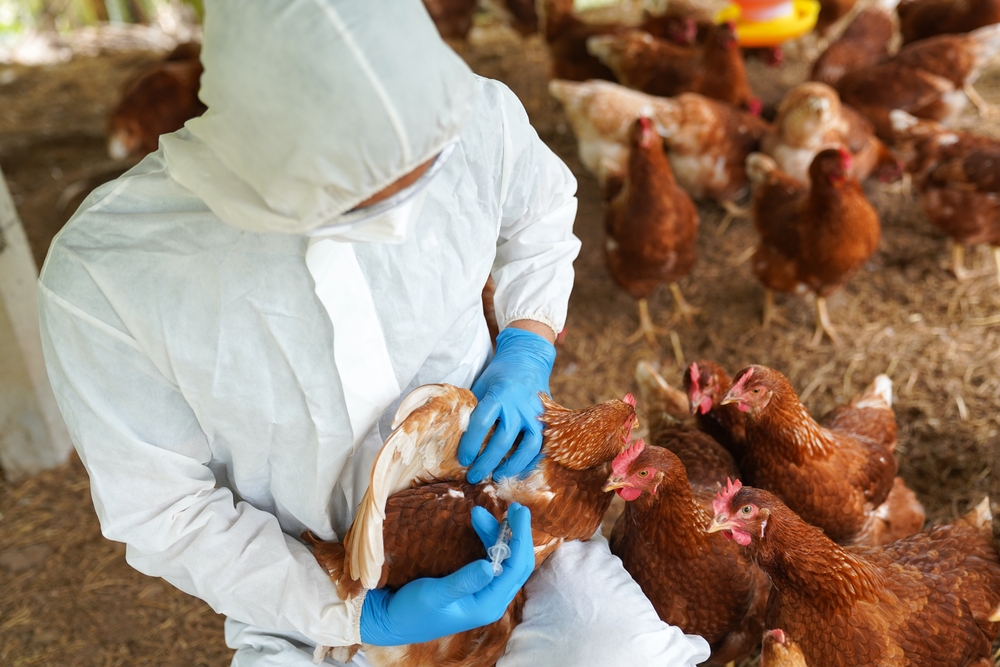
One of the most striking revelations in the report is the dramatic increase in avian influenza outbreaks among mammals, which more than doubled in just one year.
In 2024, 1,022 outbreaks were recorded across 55 countries – up from 459 in 2023. While the immediate risk to humans remains low, the rising number of mammalian infections raises alarms about the virus’s potential to evolve for mammal-to-mammal and, eventually, human transmission.
Equally troubling are other significant disease movements. Peste des petits ruminants (PPR – previously confined to developing nations – has made an unexpected return to Europe.
Meanwhile, African swine fever (ASF) reached Sri Lanka, travelling over 1,800 kilometres from previously known outbreak zones. These developments underscore the dynamic and unpredictable nature of infectious animal diseases in today’s interconnected world.
Zoonotic risks and the One Health imperative
Nearly half of all diseases reported to WOAH between 2005 and 2023 were classified as zoonotic – capable of jumping from animals to humans.
This highlights the need for integrated health strategies that consider human, animal, and environmental health collectively.
WOAH is calling for intensified international collaboration under the One Health framework, particularly as global climate change, increased trade, and habitat disruption continue to fuel the emergence and spread of these diseases.
The role of vaccination and biosecurity
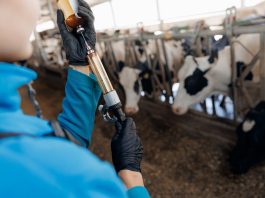
Preventing the spread of animal diseases is still possible. The report stresses that many diseases could be controlled or eradicated through a combination of vaccination, stringent hygiene, and enhanced biosecurity measures. However, a critical challenge remains the global disparities in vaccine availability and access.
WOAH has made strides in this area, operating two vaccine banks for rabies and PPR. As of May 2025, nearly 30 million rabies vaccines have been distributed to countries in Africa and Asia.
Despite this, global progress in controlling rabies is waning. Only 62% of countries now report active rabies control measures – down from 85%.
Antibiotic use and the rising threat of resistance
The report also sheds light on the vital link between disease prevention and antimicrobial resistance.
Reducing the need for antibiotics in animals not only helps curb resistance but also ensures the long-term efficacy of treatments for both animals and humans.
Antimicrobial use in animals dropped by 5% globally between 2020 and 2022, with notable reductions in Europe (23%) and Africa (20%).
However, 20% of countries still use antibiotics to promote growth in livestock – a practice strongly discouraged by WOAH due to its contribution to drug-resistant strains.
If left unaddressed, antimicrobial resistance in animals could have catastrophic consequences. Projections suggest it could result in the loss of livestock sufficient to jeopardise food security for two billion people and cause an estimated $100 trillion in economic damage by 2050.
Strengthening global defences
WOAH emphasises the urgent need for investment in national veterinary services, improved disease surveillance systems, and the development of advanced diagnostic tools.
These technologies will be critical for accurately distinguishing between vaccinated and infected animals – key to effective tracking, transparency, and trade integrity.
As the world contends with escalating threats from animal diseases, this landmark report serves as both a wake-up call and a roadmap.
By prioritising vaccination, surveillance, and global cooperation, the international community can build stronger defences to safeguard food systems, biodiversity, and public health in the years ahead.