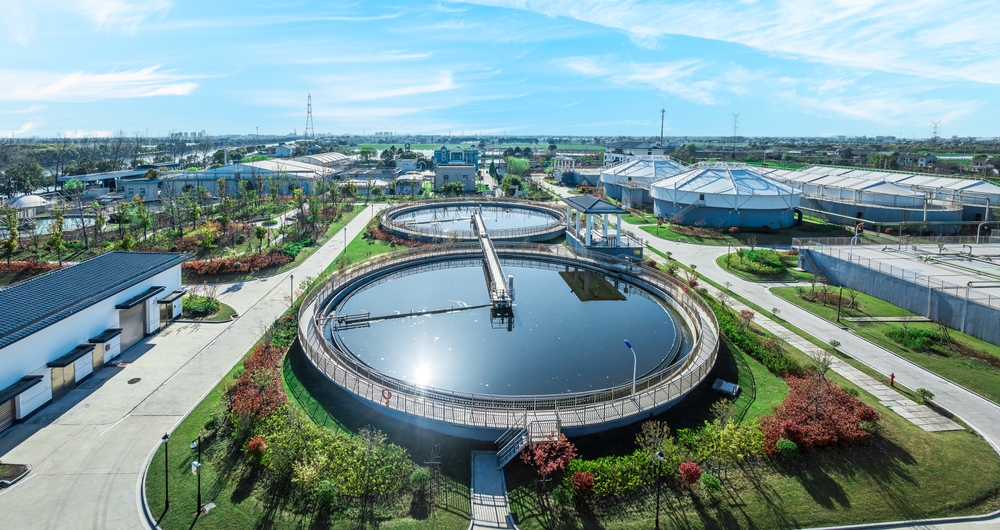
The future of water treatment is marked by significant technological advancements.
Innovations in filtration and purification are emerging as critical responses to growing global water challenges.

Techniques such as nanotechnology and smart systems promise to enhance efficiency and sustainability. However, the integration of these technologies raises questions about their implementation and impact.
As industries and communities strive for cleaner water, the journey ahead may reveal unexpected complexities. What lies in store for these evolving solutions?
Why water treatment is critical
Although water is a fundamental resource for life, its quality often deteriorates due to pollution and contamination, making effective water treatment essential.
The increasing prevalence of water scarcity highlights the urgent need for advanced treatment methods to ensure safe drinking water. Contaminated water sources pose significant risks to public health, leading to waterborne diseases that affect millions globally.
As populations grow and industrial activities expand, the demand for clean water intensifies, necessitating innovative solutions in water treatment.
By addressing the challenges posed by pollution and scarcity, effective water treatment systems can safeguard public health and contribute to sustainable water management.
This underscores the importance of prioritising technological advancements to improve water quality and availability for future generations.
How traditional water treatment methods paved the way for today’s innovations
The evolution of water treatment methods has been shaped significantly by traditional practices that laid the groundwork for modern innovations.
Historical methods, such as sedimentation and filtration through sand and charcoal, were foundational in understanding how to remove impurities from water.
These techniques demonstrated the importance of clarity and safety, paving the way for more advanced treatment evolution.
As societies progressed, the adoption of chlorination and ozonation methods further enhanced water quality and safety. Each step built on previous knowledge, highlighting the need for continuous improvement.
Today’s innovations in water treatment draw inspiration from these time-tested practices, blending them with cutting-edge technology to address contemporary challenges.
Understanding this lineage is crucial for appreciating the advancements in filtration and purification processes.
Nanotechnology breakthroughs: How tiny materials are transforming water filtration
How can the smallest materials lead to significant advancements in water filtration? Recent breakthroughs in nanotechnology have proven that nanoparticles can dramatically enhance filtration efficiency.
These tiny materials possess unique properties that enable them to target specific contaminants at a molecular level, making water purification processes more effective.
Nanoparticle applications include the development of membranes infused with silver or titanium dioxide, which not only remove pathogens but also degrade pollutants.
Additionally, carbon-based nanoparticles can adsorb organic compounds, further improving water quality.
As researchers continue to explore the potential of nanotechnology, the integration of these advanced materials in water treatment systems holds promise for creating cleaner, safer drinking water and addressing global water scarcity challenges.
The rise of intelligent water monitoring and automation
Increasingly sophisticated smart systems and artificial intelligence (AI) are revolutionising water monitoring and automation. Smart sensors are deployed to collect vital data, enabling seamless remote monitoring of water quality and usage.
This data is integrated through advanced user interfaces, facilitating automated analytics that provide actionable insights. Predictive maintenance is enhanced as AI algorithms analyse trends, forecasting potential issues before they escalate.
Cloud connectivity ensures that information is accessible in real time, allowing stakeholders to respond swiftly to any irregularities. Real-time alerts keep operators informed, promoting proactive management of water resources.
The convergence of these technologies not only increases efficiency but also significantly improves the reliability and sustainability of water treatment systems, paving the way for smarter water management.
Eco-friendly materials and low-energy purification technologies
As concerns over environmental sustainability grow, innovations in eco-friendly materials and low-energy purification technologies are becoming essential in the water treatment sector.
The integration of sustainable materials, such as biodegradable membranes and natural coagulants, enhances the efficiency of water filtration processes while minimising ecological footprints.
Additionally, energy-efficient technologies, including solar-powered purification systems and advanced filtration methods, significantly reduce operational energy consumption.
These innovations not only aim to improve water quality but also promote a circular economy by utilising renewable resources.
By prioritising greener solutions, the water treatment industry can address pressing environmental challenges while ensuring safe and clean water access for communities worldwide.
The transition to eco-friendly practices signifies a crucial step toward achieving a more sustainable future.
Point-of-use and decentralised systems
While large-scale water treatment plants have traditionally been the backbone of clean water supply, point-of-use and decentralised systems are emerging as vital solutions for delivering safe drinking water directly to communities.
These systems empower individuals and local organisations to take control of their water sources, enhancing community engagement and fostering a sense of ownership.
By utilising technologies such as portable filters and solar-powered purification units, these decentralised approaches improve water accessibility, especially in remote or underserved regions.
Moreover, they reduce reliance on extensive infrastructure, allowing for quicker deployment in emergency situations.
As awareness grows, integrating point-of-use systems into local practices can significantly bolster public health and promote sustainable water management in diverse communities.
Challenges and opportunities in adopting next-generation water technologies
Although the promise of next-generation water technologies holds significant potential for improving water quality and accessibility, various challenges must be addressed before widespread adoption can occur.
Regulatory hurdles often impede the swift implementation of innovative solutions, as existing frameworks may not accommodate new technologies.
Additionally, there is a pressing need for effective community engagement to ensure that local populations understand and trust these advancements.
Without public buy-in, the success of new water treatment methods can be jeopardised. However, these challenges also present opportunities for collaboration among stakeholders, including governments, industry leaders, and community organisations.
In conclusion, the future of water treatment is brightened by innovative advancements in filtration and purification technologies.
The integration of nanotechnology, smart systems, and eco-friendly materials promises to enhance water quality and accessibility while promoting sustainability.
As communities explore point-of-use and decentralised solutions, the potential to address water scarcity and contamination becomes increasingly tangible.
However, embracing these next-generation technologies will require overcoming challenges, ensuring a more secure and clean water future for all.