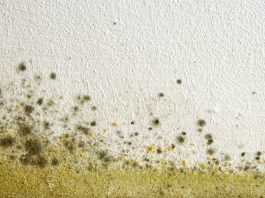
Antibacterial coatings serve as invisible shields, providing a protective barrier against harmful microorganisms.
These advanced materials are formulated to inhibit the growth of bacteria, fungi, and viruses on various surfaces.

Utilising a range of active agents such as silver ions or copper compounds, these coatings disrupt microbial cell functions, thereby preventing replication and survival.
The effectiveness of antibacterial coatings is often measured by their ability to reduce microbial load on surfaces, significantly lowering the risk of contamination.
Furthermore, these coatings can be applied to diverse materials, including plastics, metals, and textiles, enhancing their safety in both public and private settings.
The science behind these coatings is rooted in nanotechnology, which allows for precise manipulation at the molecular level to maximise antimicrobial effects.
As a result, antibacterial coatings not only contribute to improved hygiene but also promote overall public health by mitigating the spread of infectious diseases in various environments.
Transforming infection control in healthcare
As healthcare facilities increasingly prioritise patient safety, the implementation of advanced antibacterial coatings is revolutionising infection control practices.
These coatings are designed to inhibit the growth of harmful bacteria on surfaces, significantly reducing the risk of healthcare-associated infections (HAIs).
By applying these innovative materials to high-touch areas such as bed rails, surgical instruments, and waiting room furniture, hospitals create an environment less conducive to microbial proliferation.
Research has shown that surfaces treated with antibacterial coatings demonstrate a marked decrease in bacterial load, which is crucial in protecting vulnerable patients.
Furthermore, these coatings are durable and require minimal maintenance, ensuring long-lasting protection without frequent reapplication.
Hospitals adopting these technologies not only enhance patient outcomes but also reduce healthcare costs associated with prolonged hospital stays and additional treatments for infections.
Protecting public spaces from pathogens
While public spaces are essential for community interaction, they often serve as hotspots for pathogen transmission, posing a significant risk to public health.
High-touch surfaces, such as doorknobs, handrails, and elevator buttons, are particularly vulnerable, as they facilitate the spread of bacteria and viruses among individuals.
The increased foot traffic in these areas amplifies the potential for contagion, making effective sanitation critical.
To mitigate these risks, the implementation of antibacterial coatings on these touchpoints has emerged as a promising solution.
In public spaces, integrating such technologies not only enhances hygiene but also fosters greater public confidence in safety measures.
As communities continue to navigate health challenges, protecting touchpoints through innovative coatings represents a proactive approach to safeguarding public health.
Emerging materials and technologies in antibacterial innovation
Innovations in materials and technologies are driving advancements in antibacterial solutions, providing new avenues for enhancing public health.
Recent developments include the use of nanomaterials, such as silver nanoparticles and graphene, which exhibit potent antibacterial properties while minimising toxicity to human cells.
These materials can be incorporated into coatings for various surfaces, including medical devices and public infrastructure, effectively reducing the risk of infection.
Additionally, researchers are exploring bio-inspired materials that mimic natural antibacterial mechanisms, such as those found in shark skin. These innovations not only enhance the efficacy of coatings but also promote longevity and durability in high-traffic environments.
Furthermore, advancements in smart technologies enable the integration of responsive antibacterial surfaces that activate upon contact with pathogens, offering a proactive approach to infection control.
Collectively, these emerging materials and technologies represent a significant leap forward in the ongoing battle against harmful microorganisms in public spaces.
Public health impacts at scale
How can cities leverage advancements in antibacterial coatings to enhance public health on a larger scale?
The integration of these innovative materials into urban infrastructure presents a transformative opportunity to reduce the spread of infectious diseases.
By applying antibacterial coatings to high-touch surfaces such as public transport, hospitals, and schools, cities can create environments that actively inhibit bacterial growth.
This proactive approach not only protects vulnerable populations but also alleviates the burden on healthcare systems.
Moreover, these coatings can contribute to improved air quality and reduced overall maintenance costs by minimising the need for frequent cleaning.
The cumulative effect of widespread implementation fosters a culture of health-conscious living, encouraging residents to engage more freely in communal spaces.
Ultimately, the adoption of antibacterial coatings signals a commitment to public health, paving the way for healthier cities and safer futures, where the risk of disease transmission is significantly diminished.
Safety, regulation, and the road ahead
As cities seek to implement antibacterial coatings on a large scale, they face significant challenges related to safety and regulation. The efficacy and safety of these coatings must be thoroughly evaluated to ensure they do not pose health risks to the public or the environment.
Regulatory bodies such as the Environmental Protection Agency (EPA) and the Food and Drug Administration (FDA) are tasked with overseeing these products, but the rapid pace of innovation often outstrips the development of comprehensive guidelines.
Moreover, there are concerns regarding potential resistance development in bacteria, which could undermine the effectiveness of these coatings. Transparency in the composition and application methods of these products is essential for public trust.
As urban areas move forward, collaboration between scientists, manufacturers, and regulatory agencies will be crucial to navigate these challenges and facilitate the responsible adoption of antibacterial coatings, ensuring they contribute positively to public health outcomes.
Antibacterial coatings represent a significant advancement in public health, offering effective solutions to reduce pathogen transmission in various environments. By transforming high-touch surfaces into safer spaces, these coatings enhance hygiene and bolster public confidence.
As new materials and technologies emerge, their potential impact on healthcare and urban settings continues to grow. However, addressing regulatory challenges and ensuring widespread adoption remain crucial for maximising their benefits, ultimately contributing to healthier cities and safer communities for all.