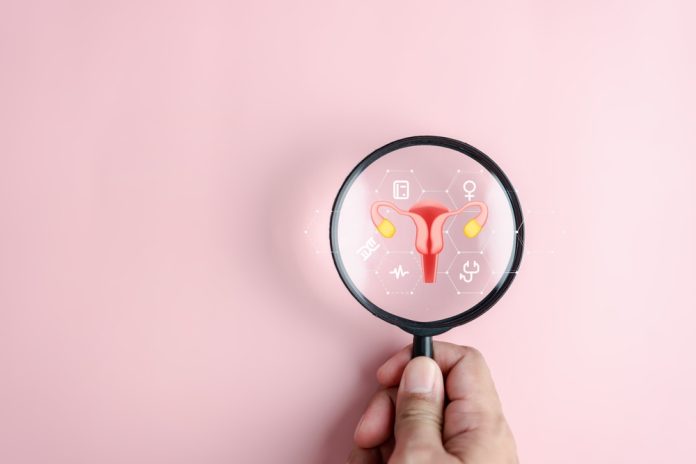
New research from Roche shows that 31% of eligible millennials have postponed or missed their cervical cancer screening appointments – 27% higher than the average across all age groups.
The findings are based on a survey of 5,518 internet users aged 16-64, commissioned by Roche and conducted by GWI across six European countries.
Despite screening services being widely available free of charge or heavily subsidised in many countries, for the millennials surveyed, specific challenges make accessing routine cervical screening difficult.
In addition to the well-documented fears reported over pain, embarrassment or stigma surrounding screenings, the research reveals that millennials face a particular challenge in balancing careers, caregiving responsibilities, and relationships.
These overlapping commitments appear to push cervical screenings – which remain vital for detecting HPV, the cause of over 99% of cervical cancers – to the bottom of their priorities, resulting in higher rates of missed or delayed appointments compared to other groups.
“Millennials are often said to be the ‘have it all generation,’ juggling careers, caregiving, and societal expectations. Yet, they tend to put themselves last,” said Joanna Sickler, Vice-President, Health Policy and External Affairs at Roche Diagnostics.
Why is cervical cancer screening so important?
Cervical cancer is one of the most common cancers affecting women worldwide, yet it is largely preventable through regular screening and vaccination.
According to the World Health Organization (WHO), an estimated 600,000 new cases and over 340,000 deaths occur annually, with the majority in low- and middle-income countries. The main cause is persistent infection with high-risk types of the human papillomavirus (HPV).
Cervical screening methods such as the Pap smear and HPV testing can detect precancerous changes early, allowing for timely treatment and significantly reducing mortality. Regular screening remains the most effective tool for early detection and prevention of disease.
Why are so many millennials missing their cervical screening appointments?
Fear remains the biggest barrier to cervical screening attendance. 30% of all women cite fear as the primary reason for missing or delaying their cervical screening appointments, driven by anxiety about discomfort, pain, or the potential results.
The survey also found that professional commitments and workplace demands are a major factor and the second-largest barrier for all participants. High-income earners (the top third of income ranges across markets) are 22% more likely than the average individual to delay appointments, and 27% of this group cite workplace demands as the reason for postponement.
Millennials who delayed or cancelled screening appointments are 20% more likely than the general population to say that greater workplace flexibility and encouragement would help them prioritise cervical screenings.
Caregiving responsibilities add another layer of complexity, particularly for parents. For many, the demands of family life take priority over personal health, with 27% of parents surveyed reporting they had delayed or cancelled cervical screening appointments.
Lack of awareness and discussion places huge barriers in the way
These challenges are compounded by a lack of awareness and discussion around cervical screening, with half of the women surveyed believing there are no schemes to support or subsidise healthcare appointments.
Additionally, nearly 50% of respondents, including 43% of millennials, admitted they had never spoken to anyone about cervical screening, highlighting a pervasive cultural discomfort that leaves many without the emotional support or encouragement needed to prioritise screenings.
Practical and emotional support are key to improving attendance rates. Among millennials who postponed their screenings, 12% identified assistance with travel or childcare as a significant motivator, while 19% said greater workplace flexibility and encouragement from employers would help them prioritise their appointments.
Emotional support also plays a role, with 10% saying they would be more likely to attend if encouraged by family, friends, or colleagues.
Healthcare systems need to evolve to develop solutions
The findings highlight the importance of practical, tailored interventions that address the barriers millennials face.
Commenting on the results, Professor Daniel Kelly OBE, Cardiff University, and Co-Chair of the HPV and Hep B Action Network at the European Cancer Organisation said: “Healthcare systems must evolve to meet women where and how they live offering flexible, person-centred screening options and access to vaccination while fostering open dialogue and community engagement that normalise cervical health as a shared responsibility.”