


Innovation News Network brings you the latest research and innovation news from the fields of science, environment, energy, critical raw materials, technology, and electric vehicles.
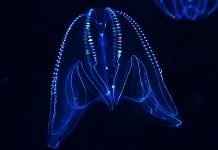
Exploring cilia: The driving force behind life on Earth
Professor Kazuo Inaba, from the Shimoda Marine Research Center, highlights the role of cilia in the human body and oceans.
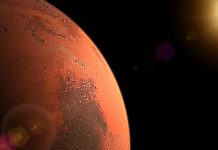
NASA’s Ingenuity Mars helicopter succeeds in historical first flight
NASA’s Ingenuity Mars helicopter has become the first aircraft in history to make a powered, controlled flight on another planet.
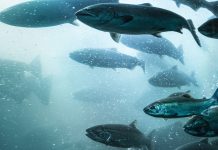
How KSK Aqua are optimising biological filters for water purification
KSK Aqua develops innovative biological filters to ensure optimal water purification. Here they share how these clever solutions work.
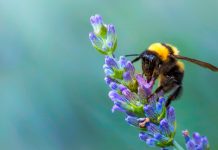
Common plants and pollinators act as anchors for ecosystems
Common plants and pollinators play a central role in maintaining biodiversity, acting as anchors for ecosystems, and assisting against some of the impacts of climate change.
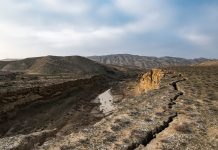
Unusual strike-slip earthquake uncovers hidden mechanism
Researchers believe that a newly discovered hidden mechanism is the reason behind an unexpected Alaskan strike-slip earthquake.
The team, consisting of Kevin P. Furlong, Professor...
The world’s fastest exfoliation of a photomechanical material
Researchers say they have manufactured the world's fastest ever exfoliation of a photomechanical material, changing mechanics as we know it.

Mysterious fast radio bursts found at lower-frequency than ever before
A new investigation has discovered radio waves transmitted at lower frequencies than ever detected before in mysterious fast radio bursts.

Scientists might be able to detect signs of extra-terrestrial life within the next decade
A new telescope launching this autumn could spot biosignatures – signs extra-terrestrial life – on other planets within three days.
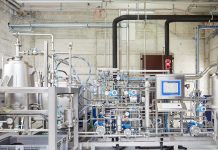
Switzerland’s first pilot plant for indigenous forest biomass extraction
BFH and Schilliger Holz AG's pilot plant for producing extracts from indigenous forest biomass revolutionises the forestry and wood industry.

Improving the performance of superconductor wires
Researchers at Florida State University have discovered a way to improve the performance of electrical wires used as high-temperature superconductors.