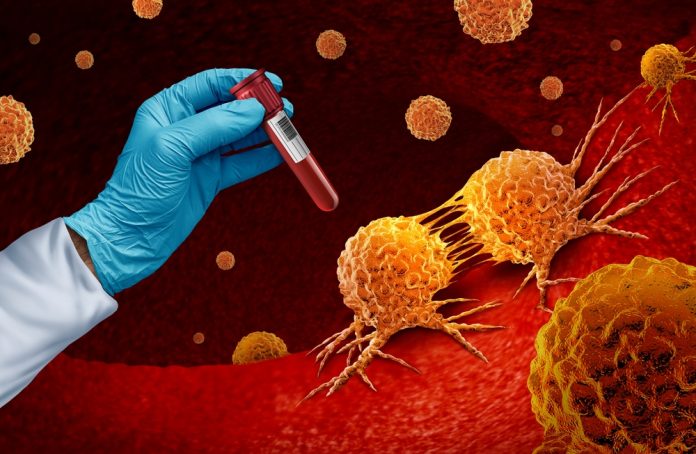
Patients with B-cell acute lymphoblastic leukaemia in England are set to gain access to a groundbreaking CAR-T therapy on the NHS that has transformed outcomes in clinical trials.
Known as obe-cel (obecabtagene autoleucel), this personalised treatment reprogrammes a patient’s own immune cells to attack cancer, offering hope for remission – even in cases where conventional therapies have failed.
Obe-cel, otherwise known as aucatzyl, is manufactured by Autolus Therapeutics, a spin-out of University College London.
The therapy is produced in Stevenage, a hub for pharmaceutical research and cell and gene therapy innovation, reinforcing the UK’s position at the forefront of CAR-T therapy development.
Experts are hailing it as a potential life-changing advance, giving patients a chance to live longer, and for some, even the hope of a cure.
How CAR-T therapy works
CAR-T therapy is a form of immunotherapy that harnesses the body’s immune system to fight cancer.
In the case of obe-cel, doctors collect T-cells from the patient and engineer them in a laboratory to target leukaemia cells.
Once reprogrammed, the cells are returned to the patient intravenously in two doses, spaced ten days apart, ready to attack the disease.
Unlike traditional chemotherapy, which targets all rapidly dividing cells, CAR-T therapy focuses on cancer cells specifically, offering a personalised treatment with potentially fewer severe side effects.
The therapy used in trials demonstrated lower toxicity compared to earlier CAR-T treatments, making it a safer option for patients.
Remarkable trial results
Clinical studies of obe-cel have produced highly encouraging results. 77% of patients experienced complete remission, and half of those showed no detectable cancer after three and a half years. On average, the treatment extended patients’ lives by 15.6 months.
By comparison, standard chemotherapy for aggressive ALL typically offers an average survival of just 10 months, highlighting the transformative potential of CAR-T therapy for those with limited options.
Professor Peter Johnson, NHS National Clinical Director for Cancer, explained: “This cutting-edge therapy has shown real promise in trials and could give patients with this aggressive form of leukaemia a chance to live free from cancer for longer – and, for some, it could offer the hope of a cure.
“This ‘living medicine’ boosts a patient’s own immune system and then guides T-cells towards the cancer to kill it – it is fantastic to have another pioneering option available on the NHS, adding to our range of CAR-T therapies which are helping people with blood cancers live longer, healthier lives.”
Patient access and eligibility
Eligible patients will include adults aged 26 and over whose B-cell acute lymphoblastic leukaemia has either relapsed or not responded to previous treatments.
Around 800 people in the UK are diagnosed with the condition each year, and NHS England estimates that around 50 patients could benefit from the therapy annually.
The treatment will be delivered at designated specialist CAR-T centres across the country. Thanks to interim funding from the NHS’s Cancer Drugs Fund, the rollout will be fast-tracked, making the therapy available to patients sooner than the usual 90-day implementation period.
A growing CAR-T programme in the NHS
This latest approval marks another step forward in England’s CAR-T therapy programme, which began in 2018 when the NHS became the first health system in Europe to offer these personalised treatments.
Today, the NHS provides a range of CAR-T therapies for both adults and children with various blood cancers, highlighting the growing role of precision immunotherapy in oncology.
Specialists describe obe-cel as a potential game-changer for patients with aggressive leukaemia, offering extended survival and, in some cases, the hope of a cure – a prospect that was unimaginable with conventional treatments.