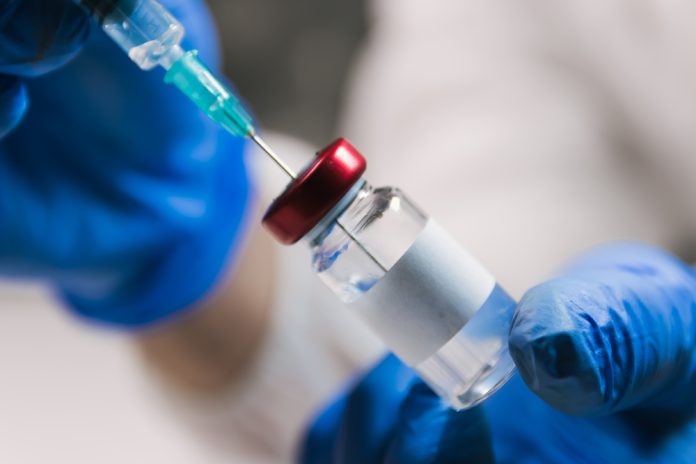
The NHS is set to introduce a game-changing HIV prevention injection that could transform how people protect themselves from the virus.
Around 1,000 people at high risk of HIV will soon have access to a groundbreaking long-acting injection on the NHS, marking a significant step in England’s mission to end new HIV transmissions by 2030.
The new injectable treatment, cabotegravir, will be offered to individuals who are unable to take traditional oral pre-exposure prophylaxis (PrEP) tablets.
Following approval by the National Institute for Health and Care Excellence (NICE), the injection will be made available at sexual health clinics across England in the coming months.
The therapy represents a major leap forward in HIV prevention, complementing the NHS’s broader public health initiatives to tackle the virus nationwide.
UK Secretary of State for Health and Social Care, Wes Streeting, hailed the transformative significance of the treatment: “The approval of this game-changing injection perfectly embodies what this government is determined to deliver – cutting-edge treatments that save lives and leave no one behind.
“For vulnerable people who are unable to take other methods of HIV prevention, this represents hope.
“We’re making real progress on HIV, with PrEP use up by 8% this year, and our ambition goes even further. England will be the first country to end HIV transmissions by 2030, and this breakthrough preventative therapy is another powerful tool in our arsenal to reach that crucial goal.”
How the new HIV injection works
Cabotegravir offers protection from HIV with a single injection every two months, providing a convenient alternative for people who cannot tolerate daily PrEP tablets.
The drug works by blocking an enzyme called integrase, which HIV needs to replicate within the body. This stops the virus from multiplying and prevents infection from taking hold.
Experts say injectable PrEP is nearly 100% effective at preventing HIV transmission when used correctly.
By offering both oral and injectable options, the NHS aims to ensure that HIV prevention is accessible to everyone, regardless of individual health needs or medication tolerance.
Progress towards zero HIV transmissions
The rollout comes amid encouraging progress in the UK’s fight against HIV.
According to the latest HIV surveillance report from the UK Health Security Agency, new diagnoses have fallen by 4% in the past year – from 3,169 cases in 2023 to 3,043 in 2024.
To further accelerate progress, the NHS is expanding its opt-out HIV testing programme in emergency departments.
An additional 30 A&E sites will now routinely test blood samples for HIV, bringing the total number of participating hospitals to 89.
This expansion is expected to help identify up to 1,900 previously undiagnosed or unlinked HIV cases each year.
Dr Michael Brady, National Advisor for LGBT + Health at NHS England, added: “This long-acting injection is a significant addition to our HIV prevention strategies – giving us a powerful new option for people at risk of HIV who cannot have oral PrEP tablets, and helping ensure everyone who needs PrEP can access it.
“We have made huge progress in HIV treatment and prevention in the last decade, and the addition of injectable PrEP will bring us a step closer to our goal of ending HIV transmissions by 2030.”
A bold investment in prevention
NHS leaders are investing £27m this year to support the expansion of HIV testing, building on the £20m already spent since 2022.
Combined with innovative treatments like cabotegravir, these initiatives bring the NHS closer to achieving its world-leading goal: eliminating HIV transmission entirely within the next five years.
With cabotegravir’s arrival, the future of HIV prevention looks more promising than ever.