As the EU-UK Summit convenes in London today, a spotlight is falling on a critical yet often overlooked issue: the future of veterinary medicines.
Amid broader political and trade discussions, two leading animal health organisations – the National Office of Animal Health (NOAH) and AnimalhealthEurope – are calling on leaders to strike a dedicated agreement that secures continued cooperation on veterinary medicines between the UK and EU.
Dawn Howard, Chief Executive of NOAH, explained the proposal: “Veterinary medicines must not be sidelined as a technical detail – they are critical to the health of our animals, the safety of our food, and the growth of our economy. A UK-EU veterinary medicines agreement is both achievable and urgently needed.
“With AnimalhealthEurope, we are advocating for a pragmatic and cooperative approach that benefits animal owners, veterinary professionals, and farmers across Europe.
“This moment is a great opportunity. The UK and the EU have the chance to show leadership in animal health and welfare, economic cooperation, and One Health.
“NOAH, together with AnimalhealthEurope, is ready to work with regulators and policymakers to secure this outcome.”
Why veterinary medicines are essential
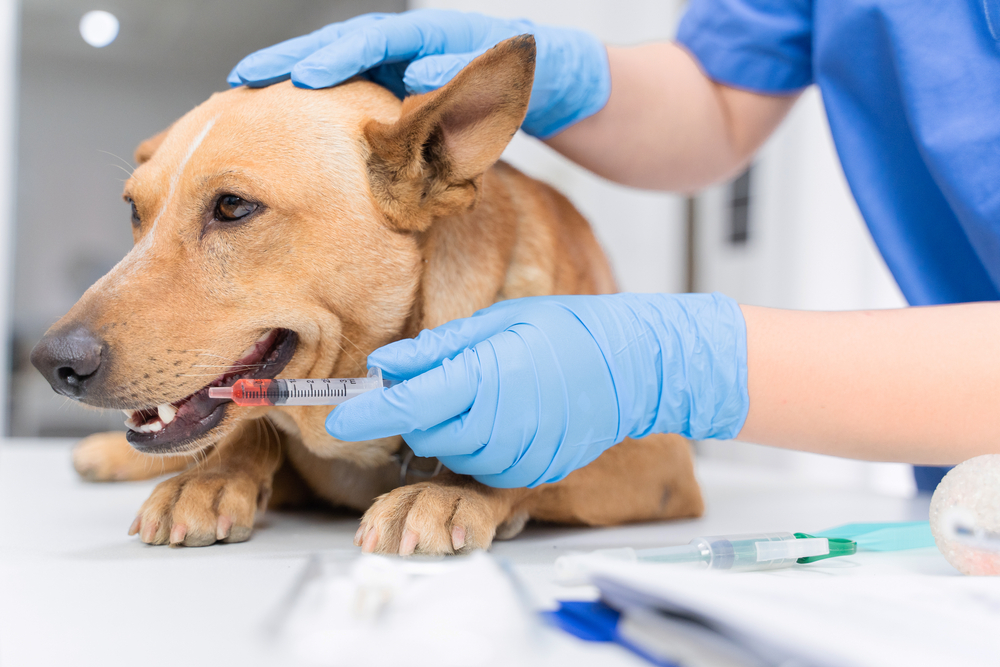
Veterinary medicines play a vital role in treating and preventing disease in pets and livestock. But their impact extends far beyond the farm or veterinary clinic.
They are essential to safeguarding public health, ensuring food security, and supporting sustainable agriculture across Europe.
Despite this, the post-Brexit landscape has introduced serious regulatory hurdles. Without formal alignment between UK and EU veterinary medicine systems, the industry is facing increased costs, duplicated efforts, and growing uncertainty around medicine availability.
These disruptions threaten not only animal welfare but also broader societal and environmental goals.
A long-standing push for alignment
NOAH and AnimalhealthEurope have been advocating for a veterinary medicines agreement since the initial stages of Brexit negotiations in 2018.
They are now urging leaders to act – either through a standalone deal or by including veterinary medicines as a specific chapter within a wider Sanitary and Phytosanitary (SPS) Agreement.
Such an agreement would harmonise key areas like product authorisation, labelling, distribution, and post-market surveillance, ensuring continued access to safe and effective veterinary medicines on both sides of the Channel.
A small sector with a major role
Though veterinary medicines represent just 2–3% of the size of the human pharmaceutical sector, their strategic importance is immense.
The UK and EU still authorise many of the same products, and formal cooperation would unlock shared efficiencies, reduce costs, and support innovation.
Roxane Feller, Secretary General of AnimalhealthEurope, added: “Unlike politics, disease knows no borders.
“Guaranteed access to veterinary medicines is fundamental to safeguarding animal health and welfare, ensuring food security, and protecting public health under the One Health framework.
“We sincerely hope that leaders will now make the right decision and establish a veterinary medicines agreement between the EU and UK.”
As EU and UK leaders meet, NOAH and AnimalhealthEurope are urging them not to miss this opportunity.
A veterinary medicines agreement is essential to protect animal health, maintain supply chains, and secure a stable, sustainable future for both regions.