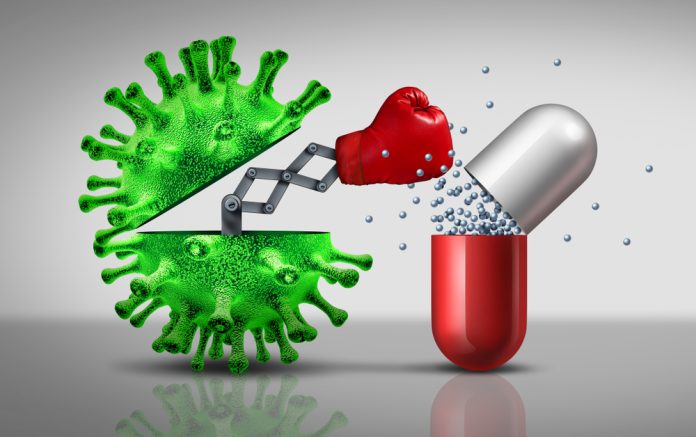
Antibiotic resistance is a growing global crisis, responsible for over one million deaths annually.
To combat the growing antibiotic resistance threat, the Dutch Research Council (NWO), in partnership with the Ministry of Health, Welfare and Sport (VWS), has allocated €4.53m to five cutting-edge research projects.
These initiatives, launched under the ‘Antimicrobials for the Preclinical Pipeline’ programme, aim to accelerate the development of novel antimicrobial therapies over the next six years.
Why this research matters
Antibiotics are essential in modern medicine, from treating infections to enabling procedures such as chemotherapy and organ transplants.
However, the alarming rise of antibiotic resistance threatens to undermine these life-saving treatments.
Without effective alternatives, once-manageable infections could become deadly. This funding initiative fosters collaboration among researchers, medical professionals, and industry leaders to find innovative solutions.
Innovative projects leading the charge
The awarded projects focus on different aspects of antibiotic resistance, utilising cutting-edge technology and scientific advancements to pioneer new treatments.
1. Targeting LspA: A novel approach to bacterial inhibition
Researchers at Leiden University, led by Professor Dr N I Martin, in collaboration with Vrije University Amsterdam and private partners, are targeting a crucial bacterial enzyme, LspA, which is vital for gram-negative pathogens but absent in humans.
By developing inhibitors for this enzyme, they aim to create antibiotics that are both highly effective and safe for human use.
2. Safer antibiotics: Reducing kidney toxicity in Teixobactin
At Utrecht University, Dr M H Weingarth is leading a project focused on optimising Teixobactin, a promising antibiotic, by reducing its nephrotoxicity.
By integrating medicinal chemistry, nephrotoxicity expertise, and structural biology, researchers seek to enhance the drug’s safety profile and minimise potential kidney damage.
3. PRIORITY: Unlocking new antibiotic candidates with AI
Leiden University, under the leadership of Professor Dr G P van Wezel, is spearheading the PRIORITY project, which leverages artificial intelligence and advanced analytical techniques to explore previously undiscovered ‘chemical spaces.’
By identifying new antibiotic families from Actinomycetes, this initiative aims to ensure equitable access to future antibiotics worldwide.
4. AI-driven design of antimicrobial peptides
At Wageningen University and Research, Professor Dr M H Medema and their team are combining deep active learning and biosynthetic engineering to create new and improved peptide antibiotics.
By refining pharmacological properties, scientists aim to develop more effective treatments against resistant bacterial strains.
5. Endolysin-based implants to combat joint infections
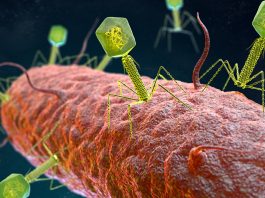
The ACTA Amsterdam research team, led by Dr Ing M A Hoogenkamp, is developing a bacteriophage-derived endolysin therapy delivered via lipid nanocarriers.
This alternative treatment is designed to combat joint infections caused by Staphylococcus bacteria, a major issue for patients receiving hip or knee implants in the Netherlands.
A global step towards overcoming antibiotic resistance
These five projects mark a significant step in the global fight against antibiotic resistance.
By fostering international collaboration among universities, hospitals, private companies, and civil organisations, this initiative strengthens efforts to develop safer and more effective antimicrobial treatments.
If successful, these innovations could reshape the future of medicine and help prevent the looming crisis of untreatable bacterial infections.
With antibiotic resistance continuing to rise, investment in groundbreaking research is more critical than ever. The Dutch Research Council’s commitment to pioneering solutions provides hope for a future where antibiotic-resistant infections can be effectively managed and treated.