Agscent’s methane measurement technology is helping beef producers turn emissions data into powerful productivity insights.
For decades, beef producers have relied on visible performance indicators such as body condition, weight gain, and reproductive success. Yet, one of the biggest drivers of profitability has remained hidden: individual animal methane emissions and what they reveal about feed efficiency.
Agscent Air is changing that. The technology provides real-time, on-farm methane measurement that enables producers to identify their most efficient animals, validate management interventions, and build more profitable, low-emission herds.
At Macka’s Black Angus Beef, producer Robert Mackenzie is proving that methane monitoring is more than an environmental compliance exercise – it is a productivity tool that delivers results directly to the bottom line.
The feed efficiency connection
Methane emissions and feed efficiency are closely linked. Cattle with lower residual feed intake (RFI), a measure of how efficiently an animal uses feed for growth or production, produce 15–25% less methane than their less efficient counterparts.1,2
This is not a coincidence. Methane represents lost feed energy – so animals that emit less methane convert more nutrients into growth. The performance and cost implications are significant.
Cattle with a feed conversion ratio (FCR) of 5.4:1 are more efficient — this means they need 5.4 kg of feed to gain 1 kg of body weight. These efficient cattle cost about AUD $115 less to finish and reach market 26 days sooner, saving an extra AUD $143 per head. In dairy systems, efficient cows can also save around AUD $675 per year in feed costs.
The implications extend throughout the operation. As Robert Mackenzie explained, “You eat less, you produce less methane.” This simple principle translates to “better feed conversion, which means lower costs, reduced pasture pressure, faster growth, and improved margins.”
The challenge lies in identifying which animals possess these valuable traits – and that is where methane monitoring becomes essential.
Making measurement practical
So how can producers access this critical data without disrupting their operations? Until recently, accurately measuring livestock methane required expensive respiration chambers or specialist research facilities. Agscent’s technology eliminates those barriers. The Agscent Air GHG systems use portable, sensor-based monitoring that integrates naturally into existing farm infrastructure, providing data on:
• Individual animal methane output
- Variation across the herd
- Response to feed and management changes
- Genetic differences in efficiency
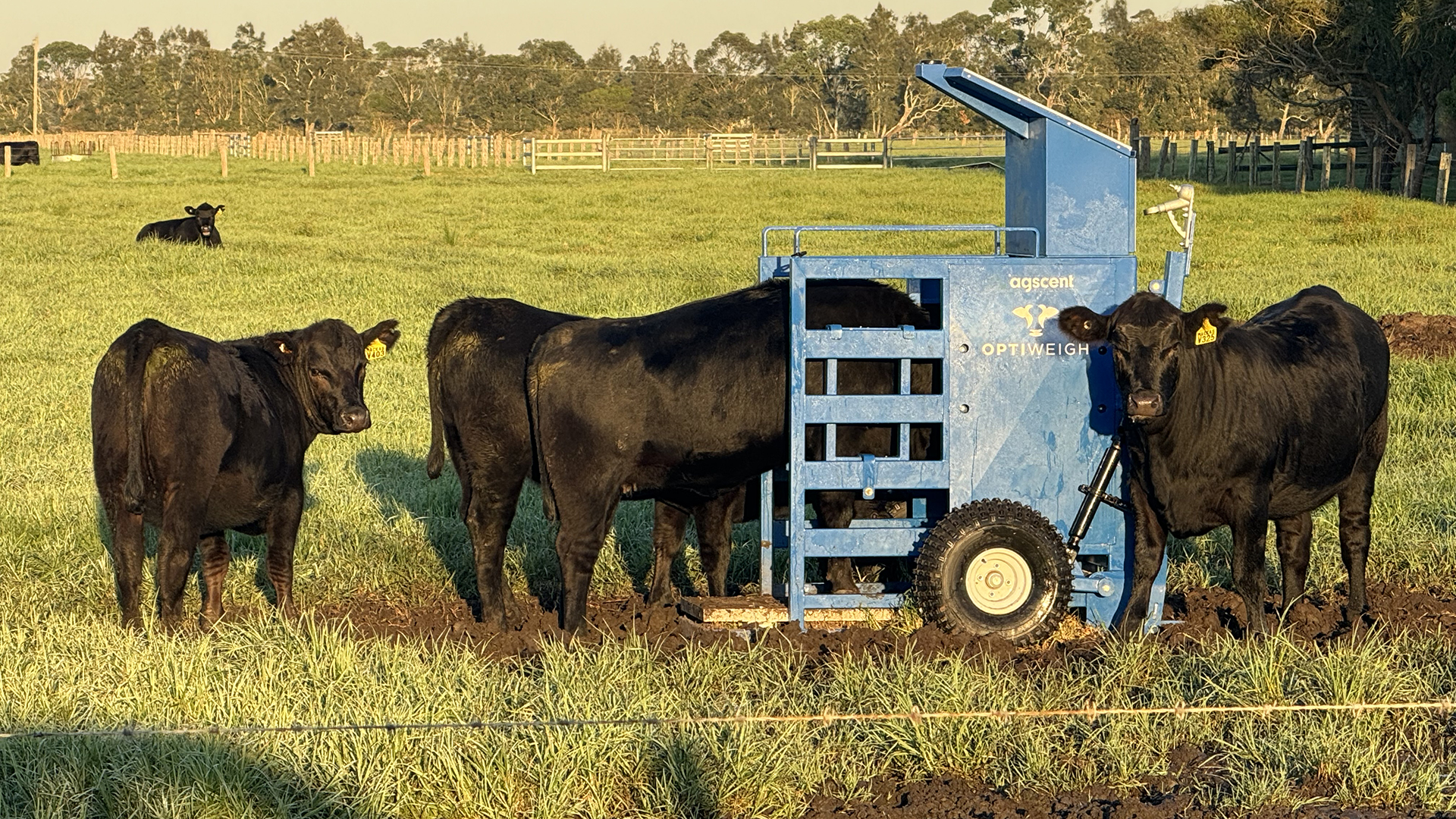
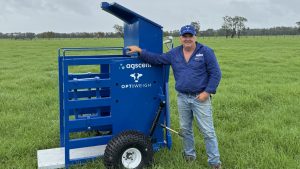
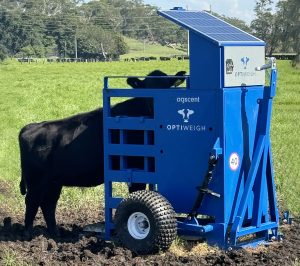
Macka’s Beef has been using the Agscent X Optiweigh system to validate a mineral supplement programme. “We developed a baseline with Himalayan rock salt and we got the animal to go into the Optiweigh X Agscent machine,” Mackenzie explained. The system is measuring methane output before and after introducing his ECO2 Feed mineral supplement. With reliable measurement now possible, the question becomes: what can producers actually do with this data?
Beyond compliance: Data that drives profitability
While sustainability credentials and carbon credits add value, Mackenzie sees the real payoff in productivity insights. Methane data helps producers:
• Identify superior genetics within herds
• Validate feed additives and dietary programmes
• Evaluate pasture species and management decisions
By 2026, Macka’s Black Angus plans to integrate methane measurement into its breeding programme, using verified data to select stud bulls and cows that combine genetic strength with environmental efficiency.
This genetic information has immediate commercial value – enhancing breeding decisions, marketing efficiency-verified genetics, and building long-term herd improvement strategies.
The measurement journey
For producers beginning their methane monitoring journey, Mackenzie recommends starting with the basics:
1. Establish baselines using carbon calculators and existing data
2. Identify priorities for emissions and efficiency improvement
3. Implement measurement with technology partners like Agscent
4. Test interventions such as feed additives or genetic selection
5. Refine and scale successful practices across the herd
Competitive advantage and the future of sustainable beef
Building on this foundation of measurement and improvement, early adopters are positioning themselves for a changing market landscape. As consumer demand for sustainable beef continues to rise and carbon accounting becomes standard, verified low-methane systems will offer a strong competitive edge.
Producers adopting these technologies early gain the ability to:
• Optimise operations before regulation mandates it
• Build premium, data-backed market positions
• Access carbon credit revenue streams
• Operate using insights other producers lack
“Sustainability means leaving the land better than we found it,” Mackenzie said. “But it’s also becoming a licence to produce – we’ll be required to become more sustainable whether we like it or not.”
The bottom line
Macka’s Black Angus Beef experience shows that the technologies reducing emissions are the same ones driving profitability. Methane measurement enables smarter decisions – whether through identifying efficient genetics, validating feed strategies, or refining herd composition.
“You can’t manage what you don’t measure,” Mackenzie concluded. His operation proves the point: methane measurement isn’t just about emissions compliance – it’s about unlocking hidden productivity potential that’s always been there.
The question for beef producers isn’t whether to measure methane. It’s whether they can afford to keep making breeding, feeding, and management decisions without understanding this critical dimension of herd performance. As sustainability requirements tighten and competition intensifies, the answer becomes increasingly clear.
About Agscent Systems:
Take control of your herd’s efficiency and emissions today:
- Agscent Air OW × Optiweigh – A portable on-farm methane measurement system that lets producers identify efficient animals, validate management changes, and build verified low-methane herds
- Agscent Air GHG2100 – Rugged, real-time greenhouse gas monitoring for methane and carbon dioxide. Flexible for a range of farm environments and seamlessly integrates with existing infrastructure
Contact Agscent now to start measuring and optimising your herd’s performance.
References
- Basarab, J.A., Beauchemin, K.A., et al. (2013). “Reducing GHG emissions through genetic improvement for feed efficiency.” Animal, 7(Suppl 2):303-15. DOI: 10.1017/s1751731113000888
- Nkrumah, J.D., Okine, E.K., et al. (2006). “Cattle selected for lower residual feed intake have reduced daily methane production.” Journal of Animal Science, 84(6):1489-96. DOI: 10.2527/2006.8461489x
Please note, this article will also appear in our Animal Health Special Focus publication.