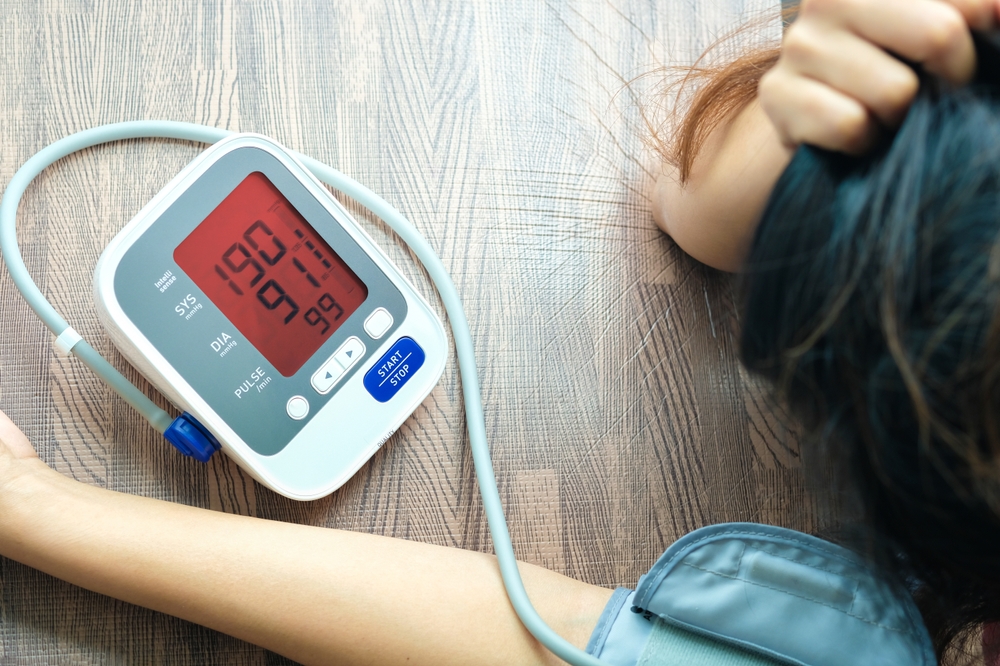
Children exposed before birth to PFAS – a class of industrial “forever chemicals” found in everyday products – may face significantly higher blood pressure in adolescence, according to new research.
The findings raise fresh concerns about the long-term health risks of prenatal exposure to these persistent pollutants, which are already known to accumulate in the environment and the human body.
With high blood pressure in children becoming increasingly common worldwide, scientists say these results highlight the urgent need to address widespread PFAS exposure at both individual and policy levels.
What are PFAS, and why are they dangerous?
PFAS (per- and polyfluoroalkyl substances) are a group of artificial chemicals widely used to make everyday products resistant to water, grease, and stains.
Found in items like non-stick cookware, food packaging, stain-resistant fabrics, carpets, and even personal care products, these substances are dubbed forever chemicals because they do not break down easily and accumulate in the environment and the human body.
Nearly everyone globally is exposed to PFAS, with exposure routes including contaminated food, water, air, and skin contact. Of particular concern is the risk during pregnancy, when developing foetuses are highly vulnerable to toxic pollutants.
Study tracks blood pressure from birth to adolescence
The study, one of the first to examine the effects of prenatal PFAS exposure over time, followed 1,094 children from the Boston Birth Cohort for a median of 12 years.
Researchers analysed over 13,000 blood pressure measurements collected during routine paediatric visits to understand how early PFAS exposure influenced cardiovascular development.
Mothers in the study provided blood samples shortly after delivery. The researchers found that higher concentrations of certain PFAS chemicals — specifically PFDeA, PFNA, and PFUnA — were associated with increased blood pressure during adolescence.
As levels of these chemicals doubled, teens showed systolic and diastolic blood pressure increases of up to 2.78 and 2.54 percentiles, respectively.
Disparities by sex and race
The data revealed a stronger association between PFAS exposure and elevated blood pressure among boys and children born to non-Hispanic Black mothers.
In these groups, the risk of elevated blood pressure increased by 6% to 8% with every doubling of certain PFAS levels.
These findings may reflect not only biological susceptibility but also broader socioeconomic disparities, including dietary factors and environmental exposures.
While some PFAS compounds were linked to lower diastolic pressure in early childhood, these associations did not persist into adolescence, suggesting the long-term effects are more complex and possibly delayed.
A growing public health concern
High blood pressure among children and adolescents has been rising globally, increasing the lifetime risk for heart disease and stroke.
The study’s results suggest that prenatal PFAS exposure could be an overlooked contributor to this trend, making it a pressing public health issue.
Unlike many previous studies that stopped tracking children in early childhood, this research highlights the need to monitor health impacts well into the teenage years, when problems like high blood pressure may begin to surface.
What can be done about PFAS exposure?
Although individuals can reduce their PFAS exposure by choosing PFAS-free products and using water filters, experts warn that real change must come from policy interventions.
Regulating and phasing out PFAS from consumer goods and improving monitoring in water systems are essential steps to reduce widespread exposure.
Public health advocates are also calling for better product labelling to help consumers make informed choices, especially for vulnerable populations like pregnant women and young children.
This research adds to growing evidence that PFAS exposure has far-reaching health consequences, especially when contact occurs in utero.
With cardiovascular risks already disproportionately affecting boys and children from disadvantaged backgrounds, environmental justice must play a role in shaping future PFAS regulations.
As the understanding of PFAS exposure deepens, so too does the urgency for action — not only to protect current generations but to safeguard the health of those yet to be born.
Get The Latest PFAS News
Explore the latest PFAS news, updates on PFAS contamination, health risks, regulations, and environmental impact. Visit our comprehensive PFAS news archive to stay informed with in-depth reporting, expert analysis, and breaking developments. Start reading now to stay ahead on all things PFAS and ‘forever chemicals’.