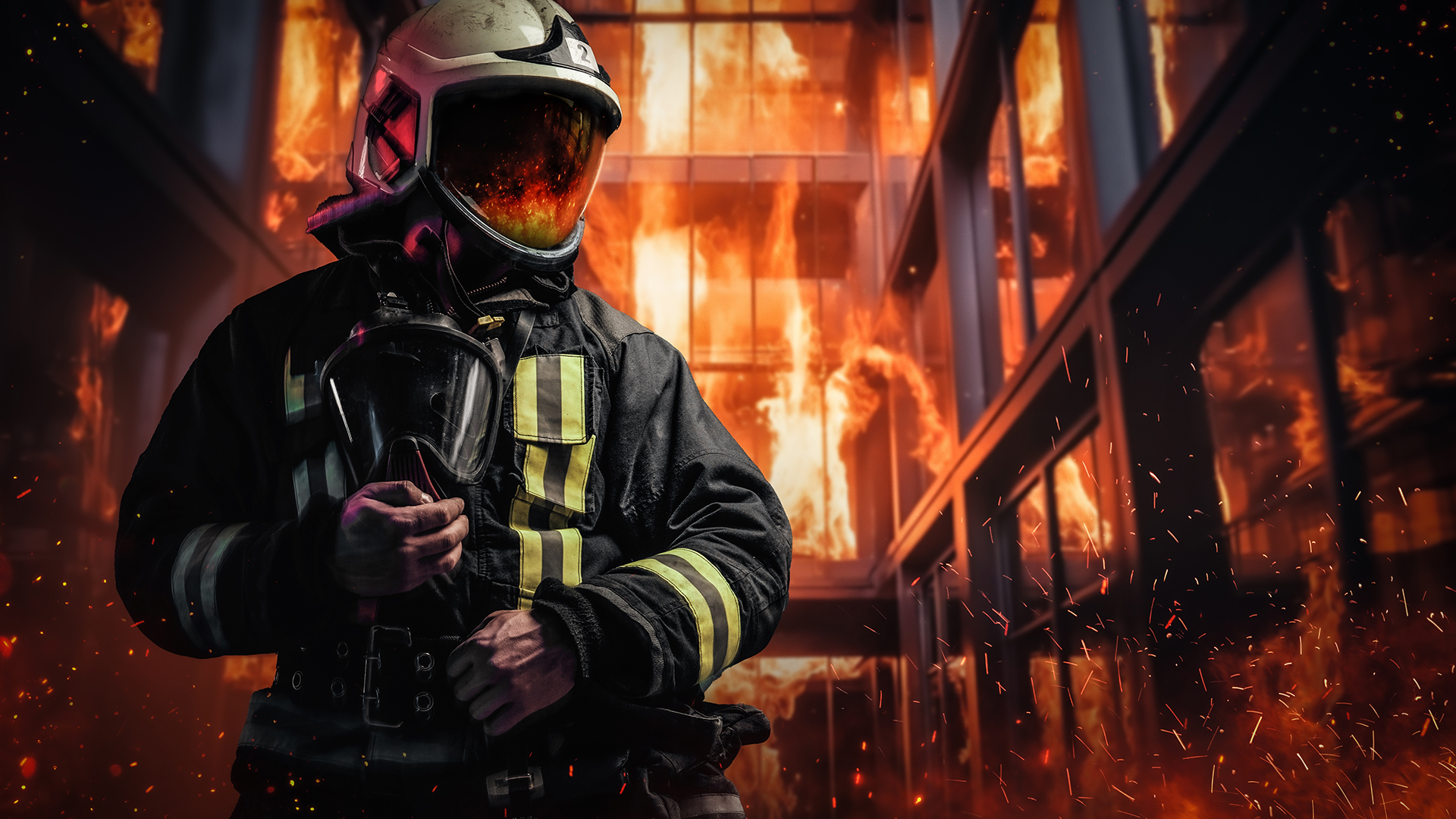
The Innovation Platform explores the rapidly increasing regulations on the use of PFAS in firefighting foams across the globe.
Historically, per- and polyfluoroalkyl substances (PFAS) have been widely used in firefighting foams due to their effectiveness in suppressing flammable liquid fires. However, global concern around these substances has grown significantly in recent years, as their harmful environmental and health effects have been realised. The compounds persist in the environment for decades – earning the nickname ‘forever chemicals’. Their accumulation leads to long-term contamination, especially near airports, military bases, and fire training facilities.
Types of firefighting foams
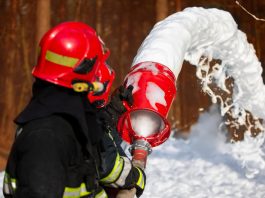
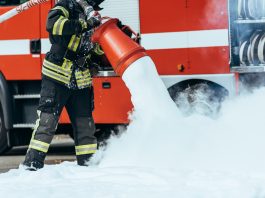
There are two main types of firefighting foam – Class A and Class B foams. Class A foams, which are intended for use on Class A fires (involving ordinary combustible materials like wood, paper, and textiles), are made from hydrocarbon-based surfactants and do not contain intentionally added PFAS. Class B firefighting foams, however, are designed to tackle Class B fires involving flammable liquids, and fluorinated Class B foams contain PFAS (fluorinated surfactants) as the active ingredient. Class B foams are commonly used in industrial, commercial, and military firefighting operations, as well as in situations where water alone may not be effective in extinguishing the fire. One of the most common types of Class B firefighting foam is aqueous film-forming foam (AFFF), which forms a thin film on the surface of the fuel, preventing oxygen from reaching the fire and extinguishing it more quickly. There is also alcohol-resistant aqueous film-forming foam (AR-AFFF foam), which is specifically designed to combat fires involving alcohol-based fuels such as ethanol and methanol. Alternatively, fluoroprotein foam is a protein-based foam that contains fluorinated surfactants, which make it more effective for extinguishing fires involving hydrocarbon fuels, and is commonly used in aviation firefighting.
An urgency for change
PFAS’ presence in products has faced widespread backlash across the globe, with some major companies even facing lawsuits for PFAS pollution. In response to the accelerating concern surrounding PFAS, many companies and countries have committed to reducing and even eliminating the use of PFAS in products. Following lengthy legal battles, American multinational conglomerate 3M has committed to exit all PFAS manufacturing by the end of 2025.
Regulatory bodies and established associations are calling for urgent action to tackle PFAS in products such as firefighting foams. In 2023, the European Chemicals Agency’s (ECHA) Committee for Socio-Economic Analysis (SEAC) pushed for a gradual ban on PFAS in firefighting foams, stating that the restriction could reduce PFAS emissions into the environment by around 13,200 tonnes over 30 years.
Perfluorooctanoic acid (PFOA) — a type of PFAS —, its salts, and PFOA-related substances are generally banned in the EU and globally, but firefighting foams are part of a time-limited exception. Firefighting foam containing PFOA will be banned in the EU from December 2025.
In 2024, under the EU chemicals legislation REACH, the European Commission introduced a restriction on the use of undecafluorohexanoic acid (PFHxA) and PFHxA-related substances. These substances are very persistent and mobile in water, and their use in certain products poses an unacceptable risk to human health and the environment. The restriction focuses on uses where the risk is not adequately controlled, alternatives are available, and socio-economic costs will be limited in comparison to the human health and environmental benefits. It will ban the sale and use of PFHxA in consumer textiles; food packaging; consumer mixtures such as waterproofing sprays; cosmetics; and in some firefighting foam applications like for training and testing, without compromising safety. The ban will take effect from October 2026. The EU has identified a ban on PFAS as a key priority under its European Chemicals Strategy for Sustainability, and a proposal for a more universal PFAS ban is expected.
In the UK, the ban on PFAS-containing firefighting foams is a phased process. As of July 2025, PFOA has been completely banned in firefighting foams in the UK, to reflect the EU restrictions. This includes a ban on the production, import, and supply of these foams. Whilst this restriction does not apply to all types of firefighting foams, regulators are calling for the ban to be widened. In August 2025, the Health and Safety Executive (HSE) launched a public consultation on the restriction of PFAS in firefighting foams. In its role as the agency for UK REACH – the UK approach to the REACH legislation – HSE has opened a six-month consultation to gather views on the UK REACH technical dossier and proposed restrictions. This work follows on from HSE’s recommendation from its analysis in 2023 that PFAS in firefighting foams are prioritised for action ahead of other uses of PFAS, as firefighting foams are one of the largest sources of direct releases to the environment.
Outside of Europe, other countries are also making progress towards the phase out of PFAS in firefighting foams. In the US, the Department of Defense (DOD) has taken steps to eliminate use of aqueous film-forming foam containing PFAS at its installations. In addition, numerous states are enforcing bans or restrictions on the use of PFAS in firefighting foam. In Australia, as of July 2025, AFFF foams with PFOS, PFOA, or PFHxS were banned nationwide under the Industrial Chemicals Environmental Management Standard (IChEMS). In addition, the Canadian government has added PFAS to its list of toxic substances, in a move that could lead to restrictions on the chemicals.
PFAS-free alternatives
As manufacturers and users of firefighting foams conform to the new restrictions, research is ramping up into PFAS-free alternatives. For example, researchers at the Johns Hopkins Applied Physics Laboratory (APL) in Laurel, Maryland, are testing and evaluating additives to enhance firefighting capabilities of commercially available PFAS-free fire suppressants for military use. The transition to fluorine-free foams may come with challenges, including effectiveness disparities, the need for equipment modifications or replacements, and a need for updated training. It is therefore essential that users and manufacturers approach the move strategically, undertaking thorough research; evaluating equipment compatibility; disposing of PFAS-containing foam responsibly; and reassessing training procedures.
Towards a PFAS-free future
It is clear that the world is taking notice of the seriousness of PFAS, and the trajectory is moving in a positive direction. However, it is now crucial that we focus efforts to enhance research into PFAS-free alternatives and help to transition to a PFAS-free world as effectively as possible. Regulation is consistently changing and we are now poised to see what’s next.
Please note, this article will also appear in the 23rd edition of our quarterly publication.