The Marine Conservation Society discusses the impact of PFAS chemicals on our health, environment and marine ecosystems, emphasising the urgent need for action and intervention to prevent further damage.
PFAS, or per- and polyfluoroalkyl substances, are a group of several thousand similar chemicals that were first manufactured in the 1950s and are now prevalent across the globe. PFAS chemicals are used in a variety of consumer products, from providing waterproofing and stain resistance for clothing to being used in cleaning products and greaseproof food packaging. They are also widely used in industrial processes and products because of their ability to resist degradation from heat, oil, water, chemicals, and UV.
The dangers of ‘forever chemicals’
One of the key features of PFAS is their high persistence, hence their nickname, ‘forever chemicals’. This persistence, a result of their resistance to degradation, is also the root cause of many issues associated with PFAS. Everything becomes toxic at a particular dose. Even chemicals like water can be toxic at the right (or wrong) dose. This fact is particularly pertinent to persistent chemicals, which don’t break down.
If their use continues, they accumulate in the environment, increasing their concentration and the likelihood of causing harm. Hence, even when persistent chemicals are banned, they still cause harm for decades.
This has been shown previously with another group of industrial chemicals, PCBs (Polychlorinated Biphenyls). Bans on these chemicals were introduced in the 1980s, but they continue to affect killer whale fertility to this day. To the point where the UK killer whale population is heading for a complete collapse within the next 100 years.
If a non-persistent, and therefore short-lived, chemical demonstrates a harmful effect and its use is halted, the pollution will cease, and the effect will theoretically diminish quickly. But with persistent chemicals like PCBs or PFAS, their presence and impact will remain for generations.
PFAS in the marine ecosystem
As well as being used in countless applications, PFAS chemicals also have numerous routes into the environment. Both directly, for example, from the use of firefighting foams or indirectly, through wastewater and landfill. We, at the Marine Conservation Society, published research with the University of Portsmouth into the presence of PFAS in Langstone Harbour. We found that concentrations of PFAS increased after a period of sewage discharge into the harbour. This research highlighted a hidden side of sewage pollution, demonstrating that the impacts of untreated sewage discharged into the sea extended beyond bacteria to include invisible, harmful chemicals.
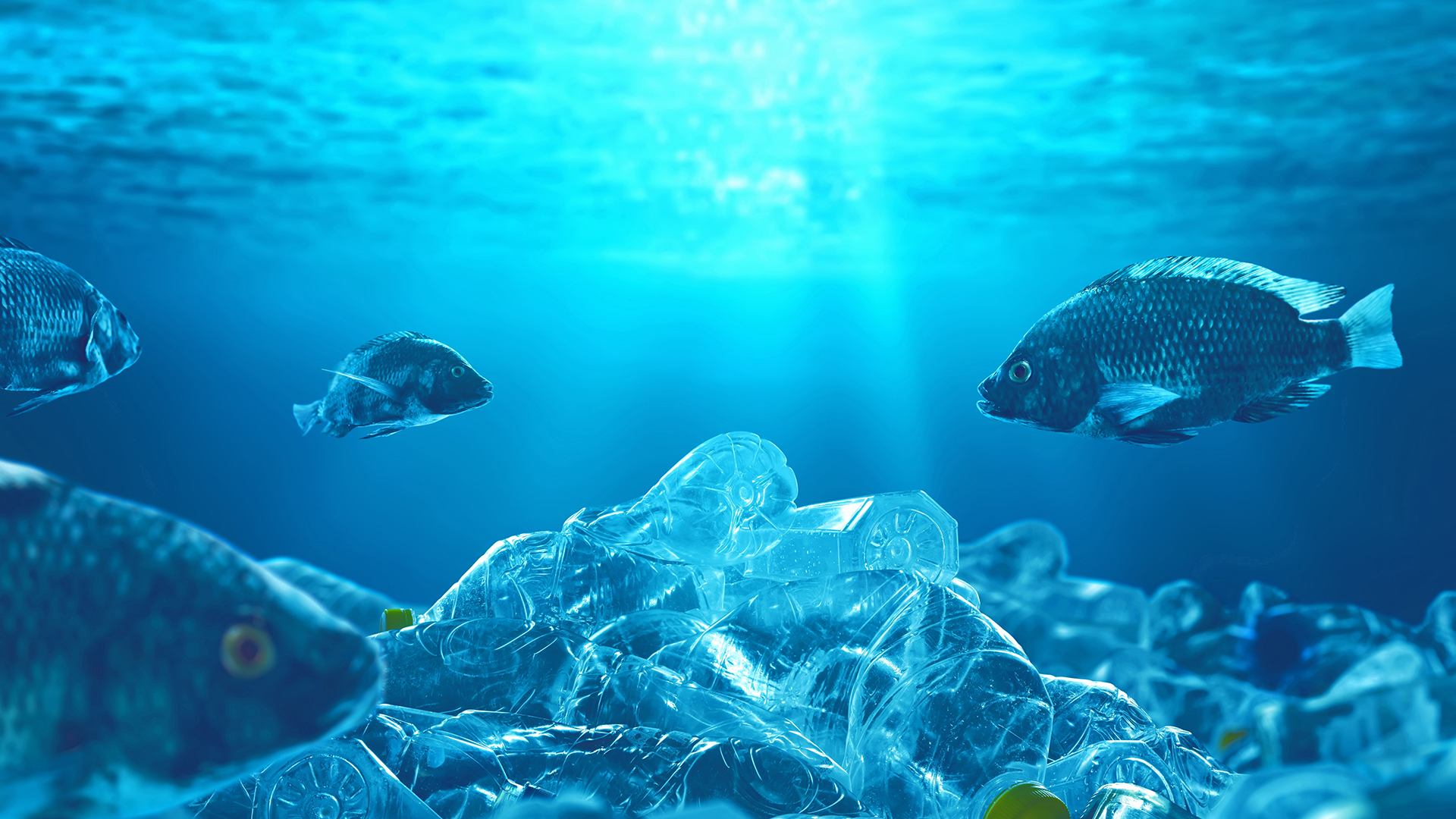
PFAS have been found in the entire marine ecosystem, from plankton, the very building blocks of the food chain, all the way to marine mammals at the top. We conducted research with Watershed Investigations into PFAS in UK wildlife and found that dolphins, otters, porpoises, buzzards, and fish across the UK were contaminated with PFAS. Not only are they present in these species, but their impacts are also abundant. PFAS impacts immune function, like in sea otters off the coast of California that were found to have significantly higher levels of PFOS and PFOA (two globally restricted PFAS) in animals that had died from infectious disease compared to those that had died of other causes. PFOS was also found to directly dysregulate the immune system of bottlenose dolphins in a study conducted over several years in the USA. There are also several cases of hormonal impacts from PFAS, including effects on thyroid function in seabirds. Polar bears were also found to be afflicted with neurological impacts from PFAS exposure, potentially affecting their movements and behaviour.
Adding to the severity of the issue, PFAS chemicals can be passed from mother to young in several species, including crossing the placenta in mammals and passing into the eggs of seabirds and freshwater turtles. This means that the young are being exposed to these harmful pollutants before they are even born, setting the stage for a lifetime of health challenges and reduced chances of survival.
Learning from history
It is crucial for the future of the ocean and wider environment that we take heed of these warnings. Throughout history, we have received similar warnings about other chemicals and acted too late, increasing the harm they ultimately caused. A report published by the European Environment Agency called ‘Late lessons from early warnings’ delves into these. For example, the use of lead in petrol was warned against by experts at the time of its introduction in 1925. During the time when lead was used in petrol, the majority of research was industry-led or industry-funded, until the 1960s/1970s, when the first independent research highlighted the harm to humans, ultimately leading to the removal of lead several years later.
We must learn from these past mistakes and ensure we don’t make the same mistakes in the future. We already have individual bans on specific PFAS, but this process is arduous and time-consuming, and if we continue in the same manner, it will take thousands of years to restrict them all. At the Marine Conservation Society, we are concerned about the lasting legacy of PFAS on the marine ecosystem and broader environment. We want to see the UK Government take urgent action on these forever chemicals by introducing a Universal PFAS restriction, similar to what is being proposed in the EU. This action is the only way to stem the flow of PFAS into the environment, into wildlife and into us.
Please note, this article will also appear in the 24th edition of our quarterly publication.