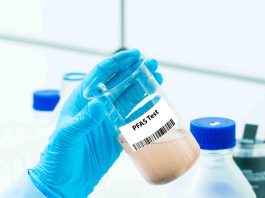
Invisible to the naked eye yet widespread in modern life, per- and polyfluoroalkyl substances (PFAS) have become one of the most difficult environmental contaminants to tackle.
These synthetic compounds, used for decades in products from stain-resistant fabrics to firefighting foams, are now infiltrating water systems worldwide.
Because PFAS resist natural breakdown, they accumulate in groundwater and drinking supplies, raising alarms over links to health risks such as liver damage, immune suppression, and developmental issues.
Growing scientific concern and stricter regulations have intensified the global search for effective PFAS treatment solutions.
Comprehensive review of PFAS treatment methods
A new review delivers the most detailed assessment yet of physicochemical technologies designed to neutralise PFAS.
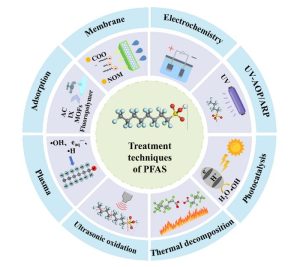
Conducted by researchers at North China Electric Power University and their collaborators, the study examined major advances from the past three years across eight treatment categories, including:
- Adsorption
- Membrane separation
- Electrochemical treatment
- UV-based oxidation and reduction
- Photocatalysis
- Thermal decomposition
- Ultrasonic oxidation
- Plasma technology
These approaches target the strong carbon–fluorine bonds that make PFAS so resistant to degradation.
Laboratory tests report removal efficiencies surpassing 90%, highlighting the potential of these innovations to reshape how communities address water contamination.
Mingxia Bai, first author of the study, commented: “PFAS pollution is one of the most urgent environmental challenges of our time.
“By reviewing the latest advances in treatment technologies, we hope to provide researchers and policymakers with a roadmap for tackling these persistent pollutants.”
Barriers to large-scale implementation
Although the findings are encouraging, the study underscores several obstacles to real-world deployment.
Many PFAS treatment technologies consume significant energy, generate secondary byproducts, or fail to fully break down the compounds.
Moreover, engineering challenges related to scaling laboratory processes into cost-effective, municipal-level systems remain unresolved.
Future directions in PFAS treatment
To overcome these limitations, the researchers spotlight three promising directions:
- Integrated treatment systems: Combining multiple technologies to harness complementary strengths.
- Advanced composite materials: Designing new adsorbents and catalysts optimised for PFAS breakdown.
- Deeper mechanistic research: Expanding knowledge of how PFAS degrade to guide innovation.
Together, these pathways could accelerate the development of sustainable, low-carbon, and scalable PFAS treatment strategies.
Safeguarding public health through innovation
The review provides both a snapshot of current progress and a roadmap for what comes next.
With PFAS contamination threatening ecosystems and communities, the push for effective treatment solutions has never been more critical.
By integrating advanced technologies with sustainable design, researchers and policymakers are charting a course toward cleaner water and a safer future.