The Royal Society of Chemistry (RSC) has launched a powerful new campaign calling for the UK Government to adopt a tougher’ polluter pays’ principle.
This polluter pays approach would make companies that manufacture or use toxic chemicals financially responsible for cleaning up the damage they cause to the environment.
The initiative aims to shift the burden of pollution control away from ordinary taxpayers and local councils, and onto the corporations that profit from potentially harmful substances such as PFAS, also known as ‘forever chemicals.’
Coffee fine sparks national debate on pollution fairness
The campaign has gained public attention through an unexpected figure: Burcu Yesilyurt, who was fined £150 by Richmond-Upon-Thames Council for pouring leftover coffee down a drain.
The fine, which has since been overturned, drew outrage after footage showed enforcement officers chasing her down the street.
The incident sparked widespread debate about fairness in environmental enforcement – especially when ordinary people face penalties while major polluters often escape accountability.
Now, the RSC has partnered with Yesilyurt to highlight how the UK’s pollution laws could be reshaped through a polluter pays principle, holding powerful corporations responsible for contamination, particularly from PFAS – a group of harmful chemicals increasingly found in UK waterways.
The hidden threat of PFAS
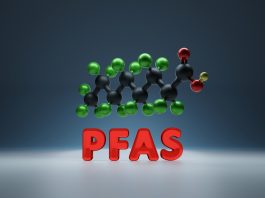
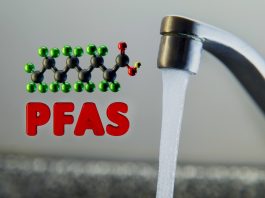
PFAS (per- and polyfluoroalkyl substances) are a family of thousands of manufactured chemicals widely used in everyday products – from non-stick cookware and waterproof clothing to firefighting foams and food packaging.
These chemicals are nicknamed forever chemicals because they do not break down naturally in the environment or the human body.
Research links prolonged PFAS exposure to a range of serious health issues, including testicular and kidney cancers, fertility problems, immune suppression, and developmental defects in unborn children.
Once released, PFAS can persist in soil, groundwater, and rivers for decades, slowly accumulating in wildlife and human bloodstreams.
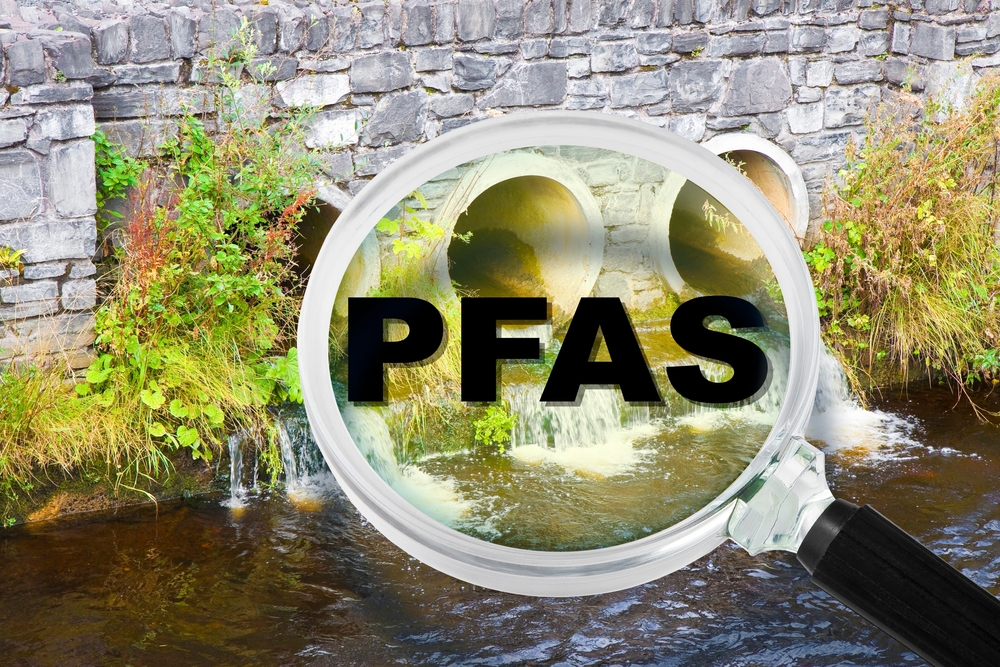
A recent RSC analysis revealed that over one-third of watercourses in England and Wales contain medium to high-risk PFAS levels.
Worryingly, samples from the River Thames showed the highest concentrations in the country, highlighting the urgent need for stronger pollution control and water treatment measures.
Who should pay for the clean-up?
The RSC argues that the UK must adopt a polluter pays model similar to forthcoming EU reforms under the Urban Wastewater Treatment Directive.
This would require polluting companies to fund additional treatment and remediation efforts, rather than leaving the cost to taxpayers and consumers.
With the UK Government expected to publish a Water Reform White Paper this autumn, paving the way for a Water Reform Bill in 2026, the RSC sees a critical opportunity to embed the polluter pays principle into national law.
The organisation is urging citizens to write to their MPs and demand that chemical producers contribute to clean-up efforts.
Dr Natalie Sims, Policy Advisor at the RSC, added: “Burcu was fined for a cup of coffee down the drain, but industries releasing harmful chemicals into our rivers face no comparable scrutiny. It’s time to apply the polluter pays principle across the board.
“Burcu’s case exposes wider gaps in the way pollution is managed in the UK, with major industrial polluters too often getting off the hook.
“Companies that pollute the environment with toxic chemicals, like PFAS, should pay for their removal from our waterways, rather than burden already strained public purse strings.
“At the same time, we need to hold ‘diffuse sources’ – such as road run-off, waste emissions and agriculture – to the same level of monitoring and enforcement as water companies.”
A call for environmental accountability
As the debate over who should pay for pollution intensifies, the message is clear: corporate polluters, not the public, should bear the burden of cleaning up the toxic legacy of PFAS.
The partnership between the Royal Society of Chemistry and Burcu Yesilyurt serves as a powerful reminder that while individuals are held accountable for small mistakes, it’s time for major polluters to do the same on a much larger scale.