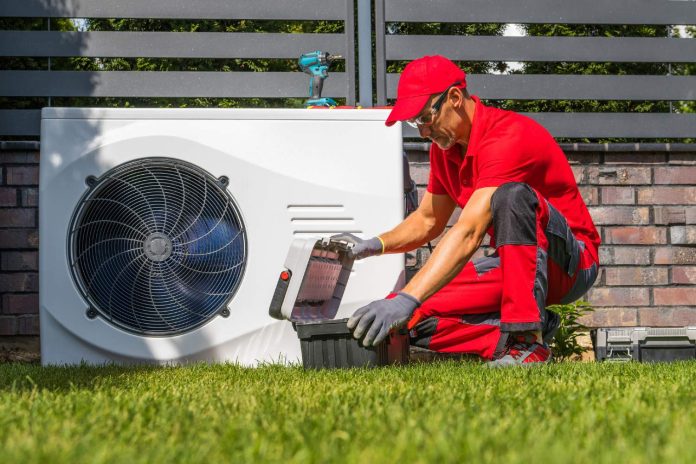
UK research shows that smart heat pumps could help balance electricity grid demand, keeping homes warm and easing pressure on the grid.
The study tested how homes using smart heat pumps automatically adjusted their usage to balance the grid during peak demand periods.
The study also found that these smart pumps can lower emissions and cut electricity bills across the UK.
It was funded by the Engineering and Physical Sciences Research Council (EPSRC) and was led by researchers from the University of Southampton’s Energy and Climate Change Division in collaboration with Good Energy.
A drop in demand
In trials across 30 homes in southern England, researchers tested reducing heat pump use during peak grid demand hours.
This led to a 90% drop in electricity demand, while comfort remained stable.
How smart heat pumps lower costs for consumers
The findings show that with the right technology and coordination, smartly managed heat pumps could help reduce grid pressure at critical times, such as during cold winter evenings.
This could also help lower consumer costs and support the UK’s shift away from fossil fuels.
As the UK transitions to green energy and works towards net zero, effective grid management will become increasingly vital to maintaining a stable, resilient energy system.
Professor Patrick James from the University of Southampton, who led the research team, said: “Our study shows that heat pumps can provide comfortable heating while helping the grid cope at busy times.
“With smart control, they can play a key role in cutting emissions and making our energy system more resilient and even save some money on their bills.”
Embedding flexibility controls
The study, part of a project called LATENT (ResidentiaL HeaT As An Energy SysTem Service), explored how this approach could be scaled up by energy companies, manufacturers, and installers working together.
By embedding flexibility controls into heat pump systems, they could automatically respond to grid conditions, cutting demand when electricity use spikes and restoring it when pressure eases.
Keeping affordable, warm homes
This kind of invisible flexibility could play a vital role in helping the UK achieve its climate targets while keeping homes warm affordably.
The research team now plans to explore how these smart systems could be integrated with other low-carbon technologies such as solar panels and home batteries.
These technologies could make it easier for households to generate, store, and use energy more efficiently.
Smart heat pumps benefit both people and the planet
“This research shows how new technologies like smart heat pumps can benefit both people and the planet,” stated Executive Director for Strategy at UK Research and Innovation’s (UKRI) EPSRC, Dr Kedar Pandya.
“By reducing peak demand, households can help prevent blackouts, lower costs, and reduce emissions, all while staying warm.”
Through projects like LATENT and wider initiatives such as UKRI’s Clean Energy R&D Mission Accelerator Programme, EPSRC is supporting the innovations that will make the UK’s energy system more flexible, cleaner, and smarter.