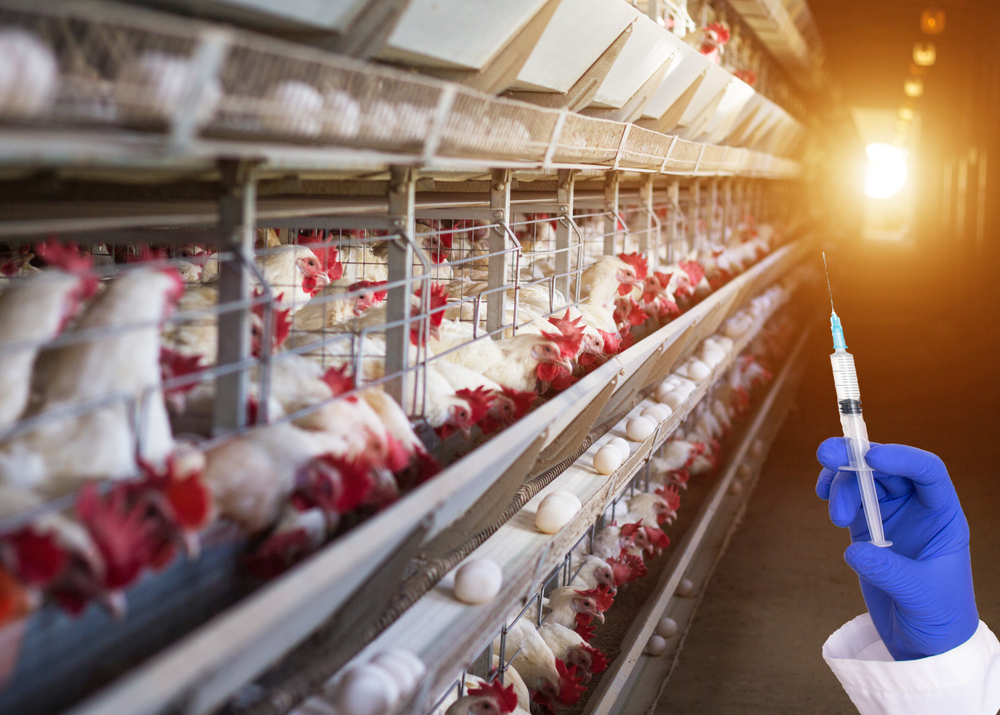
The UK has once again recorded its lowest-ever sales of veterinary antibiotics, marking a significant milestone in the nation’s ongoing battle against antimicrobial resistance (AMR).
The latest findings, released in the new Veterinary Antimicrobial Resistance and Sales Surveillance (VARRS) Report, highlight the country’s continued leadership across Europe in responsible antibiotic stewardship within agriculture.
Commenting on the achievement, Baroness Hayman, Minister for Biosecurity, Borders and Animal Welfare, said: “Through combined efforts across government and industry, we continue to make progress in reducing the use of antibiotics in animals, which is vital for public and animal health.
“We remain committed to leading the global fight against antimicrobial resistance and to maintaining our place as one of the lowest users of veterinary antibiotics across Europe, so future generations can benefit.”
Major reductions strengthen public health and food security
A sustained decline in the use of veterinary antibiotics is being heralded as a positive step for public health, food security, and the wider economy.
Lower usage helps to preserve the effectiveness of crucial medicines by slowing the emergence of antibiotic-resistant bacteria – one of the most pressing global health threats.
Experts warn that more than 39 million deaths could be directly attributed to bacterial AMR between now and 2050 unless robust action continues.
A decade of progress documented in new surveillance data
Published by the Veterinary Medicines Directorate (VMD), the VARRS Report reveals that the UK has reduced antibiotic sales for livestock by 57% over the past decade, ranking it among the lowest prescribers of veterinary antibiotics in Europe.
This year’s report is particularly notable for introducing ten years of clinical surveillance data, offering a clearer long-term picture of resistance trends.
Across most monitored animal species, clear declines in antimicrobial resistance have been observed.
These patterns closely reflect reductions in antibiotic administration on farms and mirror a fall in AMR detected in healthy animals at slaughter.
CEO of VMD Abi Seager added: “This year’s report shows that through the ongoing hard work of vets and farmers across the UK, we can make real progress in the fight against AMR.
“Overall use of antibiotics in livestock remains at its lowest level, and importantly, use of the most critical antibiotics for human health remains extremely low.
“This is reflected in results from our AMR surveillance programmes, which show an encouraging picture of AMR reduction in animals.”
First-year results of the National Action Plan on AMR
The 2024 report coincides with the first year of the UK’s latest National Action Plan on AMR (2024–2029), designed to accelerate progress in curbing resistance.
The findings demonstrate promising momentum toward achieving the plan’s objectives, highlighting industry-wide collaboration between farmers, veterinarians, and regulators.
Improving stewardship in companion animals
Efforts to reduce the use of veterinary antibiotics in pets are also gaining traction.
Sales for use in cats and dogs have continued to fall, supported by initiatives to close significant data gaps in AMR surveillance for companion animals.
A new pilot project between the VMD and SRUC is now collecting baseline AMR data from healthy cats and dogs, paving the way for a potential national surveillance system.
Sector performance: Highs, lows, and areas needing action
Aquaculture showed strong progress, with trout and salmon farms reporting their lowest antibiotic usage on record. Resistance levels across poultry sectors also remain low overall.
However, the report highlights some areas requiring renewed focus. Despite a reduction in antibiotic use in broiler chickens, resistance in E. coli increased unexpectedly, though resistance to critically important antibiotics and multi-drug resistance did not rise.
Meanwhile, usage of veterinary antibiotics grew within the pig and gamebird sectors, indicating that additional collective efforts will be essential to maintain downward trends.
A continued national commitment
The latest VARRS findings underscore the UK’s ongoing commitment to protecting the effectiveness of veterinary antibiotics.
With evidence linking reduced usage directly to falling resistance levels, the country’s approach is delivering measurable results and setting an influential example for sustainable antibiotic stewardship worldwide.