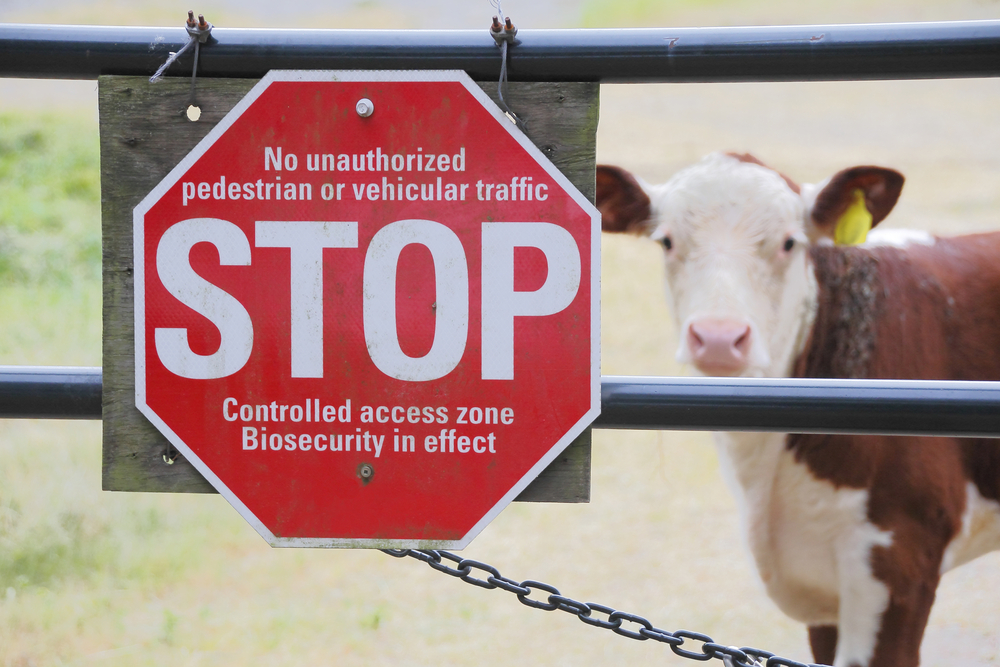
The UK’s ability to prevent a future pandemic has been significantly enhanced with the announcement of a £1bn investment in a new National Biosecurity Centre.
This funding will deliver the next phase of a new National Biosecurity Centre – a cutting-edge scientific campus in Surrey that will serve as the UK’s foremost animal biosecurity facility.
The investment is one part of the new National Security Strategy, which marks a change in UK’s approach to securing British interests whilst also creating jobs, wages, and growth as part of the Government’s Plan for Change.
The growing threat of animal disease outbreaks
Animal disease outbreaks represent a serious and increasing risk to public health, food security, and the UK economy.
Approximately 60% of all known human infectious diseases are zoonotic, meaning they can be transmitted from animals to humans.
Furthermore, approximately 75% of emerging infectious diseases originate in animals, making the fight against these diseases a matter of both human health and security.
Without a strong and modernised biosecurity infrastructure, disease incursions could severely impact our farmers, agricultural production, devastate rural communities and disrupt key supply chains. The export of livestock, meat and meat products, dairy and animal by-products is worth £16bn per year alone to the UK economy.
Managing disease outbreaks with enhanced biosecurity measures
The National Biosecurity Centre will enhance the country’s detection, surveillance, and control capabilities for high-risk animal diseases, such as avian influenza, foot-and-mouth disease, and African swine fever, while also improving our ability to manage concurrent disease outbreaks.
Environment Secretary Steve Reed said: “We are making a record investment into the nation’s biosecurity capabilities, and in turn our national security, after years of chronic underfunding.
“Farmers and food producers will now be better protected from diseases, our food security strengthened, and public health better safeguarded against future pandemics.”
Leading national efforts to mitigate disease threats
The new National Biosecurity Centre will play a crucial role in addressing the full range of biological threats we face, including those from hostile nations, and will ensure that the UK retains the scientific capability, infrastructure, and expertise needed to lead international efforts to identify, manage, and mitigate disease threats in the years ahead.
The new facility will join a network of national centres set up by the Cabinet Office under the UK Biological Security Strategy and announced in the National Security Strategy.
This new network of government laboratories provides a sovereign capability that keeps the public safe and is essential to responding to biological security risks.
The network will strengthen and formalise existing collaborations between the UK Health Security Agency, the Animal and Plant Health Agency and the Defence Science and Technology Laboratory, ensuring better preparedness for a crisis and a more effective response to any future outbreaks.
Jenny Stewart, Senior Science Director at the Animal and Plant Health Agency, concluded: “This funding is a vital milestone in the delivery of a world-leading facility that will protect the UK from animal disease threats for decades to come.
“Our scientists and specialists at Weybridge are at the heart of the UK’s disease surveillance and response capability and provide a global centre of expertise for biosecurity.”