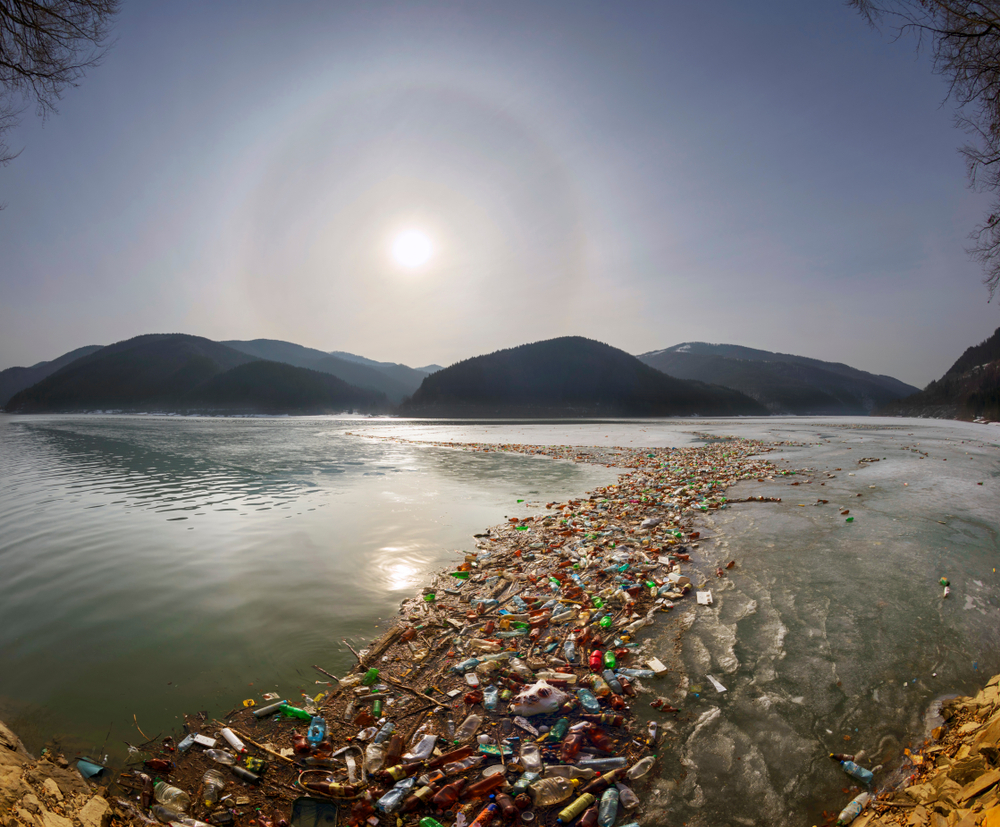
Negotiations have begun in Geneva today to finalise a global agreement to tackle the staggering and growing amount of plastic waste and its impact on human health, marine life and the economy.
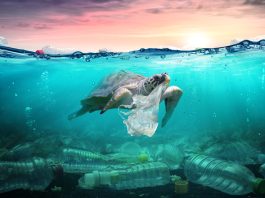
Unless an international accord is inked, plastic pollution is projected to triple by 2060, causing significant damage to our planet, according to the UN Environment Programme (UNEP).
The UNEP-led talks follow a decision in 2022 by Member States to develop an international legally binding instrument to end the plastic pollution crisis, including in the world’s seas, within two years.
The growing threat of plastic pollution
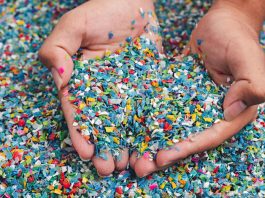
The scale of the plastic pollution problem is massive, with straws, cups and stirrers, carrier bags and cosmetics containing microbeads – just a few of the single-use products ending up in our oceans and landfill sites.
“We will not recycle our way out of the plastic pollution crisis; we need a systemic transformation to achieve the transition to a circular economy,” UNEP Executive Director Inger Andersen insisted.
Ahead of the talks in Geneva, medical journal The Lancet published a warning that the materials used in plastics cause extensive disease “at every stage of the plastics life cycle and at every stage of human life”.
According to more than two dozen health experts cited in the journal, infants and young children are particularly vulnerable. “Plastics are a grave, growing, and under-recognised danger to human and planetary health, and are responsible for health-related economic losses exceeding $1.5 trillion annually”, it noted.
Supporters of a deal have compared it to the 2015 Paris Climate Accord in terms of its significance. They have also pointed to the pressure allegedly being brought to bear against a deal by petrostates, whose crude oil and natural gas industries provide the raw material for plastics production.
Promoting a circular economy
The aim of the deal is for it to encompass the full life cycle of plastics, from design to production and disposal, “to promote plastic circularity and prevent leakage of plastics in the environment”, according to the text being used to guide the talks of the Intergovernmental Negotiating Committee (INC) gathering.
The INC document contains 32 draft articles, which will be discussed line by line. The text is designed to shape the future instrument and will serve as a starting point for negotiations.
For 10 days from 5-14 August, delegations from 179 countries are due to pore over the INC text as they meet at UN Geneva, alongside more than 1,900 other participants from 618 observer organisations, including scientists, environmentalists and industry representatives.
The main aim of the meeting is to share proven methods of reducing plastic use, such as non-plastic substitutes and other safer alternatives.
To follow the plastic pollution talks live on UN Web TV, click here.