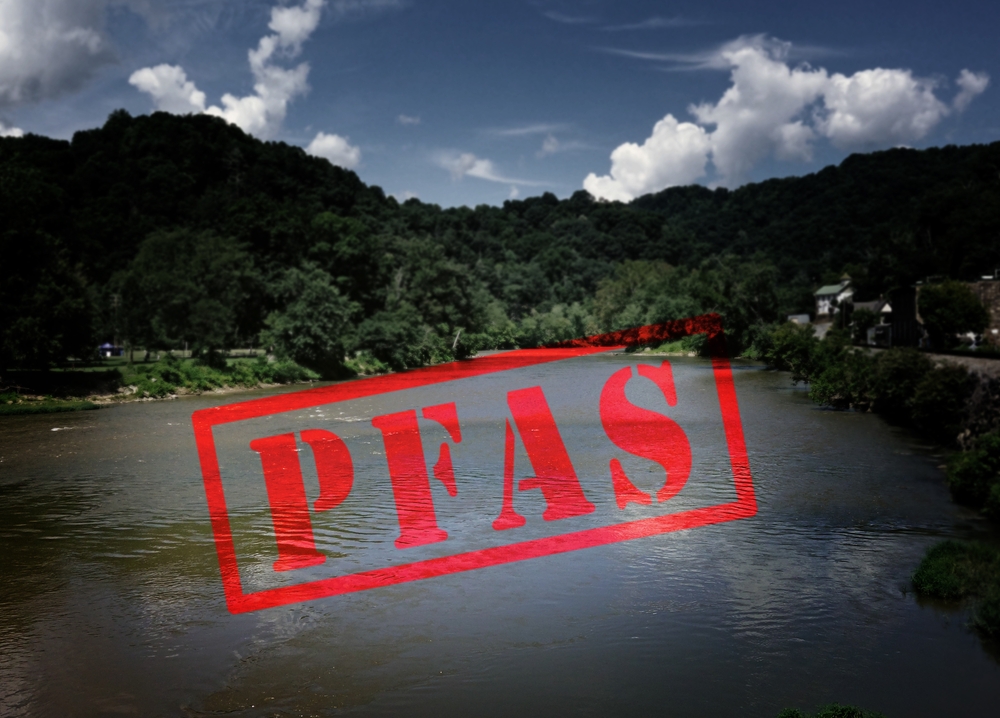
Per- and polyfluoroalkyl substances (PFAS) have quietly infiltrated every corner of modern life – from kitchen cookware and cosmetics to firefighting foam and food packaging.
But what makes these ‘forever chemicals’ so useful – their resistance to heat, water, and oil – also makes them alarmingly persistent in the environment. Now, a major Dutch research initiative is aiming to change that.
Wageningen Food & Biobased Research (WFBR), supported by the Dutch government, has launched a three-year project to overhaul how PFAS monitoring and removal are carried out.
By accelerating detection and scaling up practical destruction methods, the team hopes to offer industries and governments the tools they need to tackle this escalating environmental threat.
Speeding up PFAS monitoring with smart tech
Currently, PFAS monitoring is a time-consuming and expensive process. Testing a single water sample can take up to two weeks and cost hundreds of euros. WFBR’s new approach could transform that.
Researchers are reimagining an everyday lab tool – an ELISA plate – for use in rapid PFAS detection. This innovative method could allow the analysis of nearly 100 samples within minutes, dramatically reducing both time and cost.
This leap in efficiency is critical, given how widespread PFAS contamination has become in soil, water, and even the human body.
By making PFAS monitoring faster and more affordable, this new technique could help industries and regulators track contamination more precisely and intervene earlier.
Beyond detection: Scalable PFAS removal systems
While identifying PFAS hotspots is essential, eliminating the chemicals presents a much tougher challenge.
Existing technologies for PFAS removal are often limited to laboratory settings or come with significant trade-offs.
Incineration, for instance, is energy-intensive and carbon-heavy, while activated carbon filters can trap only certain PFAS variants and pose logistical risks during disposal or regeneration.
WFBR’s research team is taking a different approach. Instead of seeking a single solution, they aim to integrate the most effective existing technologies into modular, scalable systems.
These combined setups can be deployed on-site, reducing transport risks and increasing overall efficiency.
The goal is to make PFAS destruction not only scientifically sound but economically viable, paving the way for real-world implementation across industries.
Industry-wide collaboration for real-world impact
What sets this PFAS monitoring and removal initiative apart is its strong focus on practical outcomes.
The project has brought together a diverse network of 16 partners, spanning the entire value chain: chemical and pharmaceutical companies, water utilities, technology providers, waste processors, and government agencies.
Among them is the Dutch Ministry of Infrastructure and Water Management, which plans to use the research findings to inform future PFAS policy and regulation.
By involving both industry and government stakeholders from the start, WFBR ensures the solutions developed will align with both operational demands and public health goals.
Bridging science and societal need
At its core, this research initiative reflects a deeper mission: to align scientific innovation with environmental responsibility and industrial feasibility.
By the end of the project, the researchers hope to have developed not just more efficient PFAS monitoring and destruction methods, but a full toolkit for industries and regulators looking to eliminate PFAS pollution for good.
With faster detection, smarter removal, and broad-based collaboration, the Netherlands may soon be leading the charge against the global PFAS crisis, transforming how the world manages these stubborn, invisible threats.