
The topic of electric vehicles is a controversial one. Some believe that it is the wave of the future, while others push back.
The simple fact of the matter, however, is that it is already here. Millions of buyers have made the move to electric vehicles and make use of EV charging stations both personally and publicly.
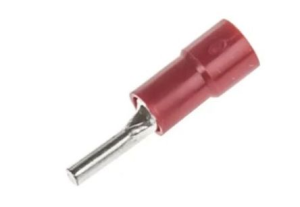
Behind the scenes, essential components and tools make it possible to charge efficiently. Crimp pin connectors are becoming an effective means of creating high-efficiency power transfers from charging stations to the respective vehicles.
Possessing a wire crimp pin from RS will give you a versatile tool for handling versatile material.
Creating strong connections
Behind any technological innovation are essential tools and materials. Through the use of crimp pin connectors, strong connections can be created, allowing for high-efficiency power transfers between charging stations and the vehicles they power.
Through the use of crimping, a gas-tight, secure joint is created. The process involves deforming the wire strands, which maximises the surface area needed to create effective contact while also preventing corrosion.
Improved safety, quality control, and applications
When dealing with electrical voltage, safe connections are necessary. Through the use of crimp pin connectors, reliable connections are created to create secure, safe pathways. These secure connections prevent fire, electrical shock, and other damage.
Crimp pin connectors are also vital for quality control. When they have been used correctly in correlation with crimping tools, these connections are consistent and reliable.
Given the demanding requirements of EV charging stations, these connections become arguably the most important thing.
Finally, there are the various applications that crimp pin connectors offer. Connections can be created not only with EV charging stations but also within the charging system and with vehicle charging cables.
How to use a crimping tool
The type of material you use is worth noting before you start. Depending on that material, you might need to apply one of several crimping techniques while using a wire crimp to get the job done.
Generally speaking, coaxial wire is the most common you will run across. These wires offer a form of insulation that protects signals that are prone to external interference.
The process of wire crimping
To start, make sure that you have the right crimping tool. These devices are necessary for creating a safe and effective crimping bond and may sometimes require other tools.
1.) Choose the right crimp terminal. This is based on things like wire type and size, plus the application it is being used for.
2.) Safely and carefully strip off the insulation to the wire. Expose the wire to whatever length you need for crimping purposes, and make sure not to damage the wire conductor or tear the insulation while you’re doing it.
3.) Take the bare wire end and put it into the crimp terminal barrel until it gets to the end.
4.) Take the crimp terminal and place the wire end into the crimping tool, making sure that you have the terminal properly placed in the crimping die.
5.) Apply pressure on the handles of the tool, which will compress the barrel around the wire to create a secure connection.
6.) Slowly release pressure and look to see if there is any damage to the crimp connection. Insulation damage or deformation is possible.
7.) Repeat if necessary or shrink the connector if needed (heat shrink connectors are common).
8.) Make sure to always test out your crimped wire before you install it. It is always possible for a crimp to go wrong or not be quite uniform.
With these steps, you can effectively use a crimping tool for any number of applications, including modifying EV charging stations.