Millions of patients in the UK are set to receive a faster cancer diagnosis, helping cut treatment delays and boost survival rates as the government rolls out pioneering new technology across the NHS.
The new trailblazing tool, Cancer 360, brings all data into one central system, so clinicians can prioritise those most in need and speed up cancer diagnosis.
Currently, there are over two million people living with cancer, many of whom face a complex journey of tests, appointments or treatments. However, the new technology will benefit millions over the next five to ten years.
Getting the NHS back on its feet with faster cancer diagnosis
Lord Ara Darzi’s independent investigation found the NHS in ‘critical condition’ – with surging waiting lists and deteriorating national health – and set out the need to improve cancer waiting time performance and cancer survival.
Cancer 360 represents the crucial reform that must accompany investment, shifting the NHS from analogue to digital, by creating a simple dashboard showing clinicians all the information they need about their patients in one place.
This works in favour instead of having to gather vital information about each cancer patient from various systems, spreadsheets, emails, and records.
Health and Social Care Secretary Wes Streeting explained: “This government grasped the nettle and made difficult but necessary choices to invest £26 billion into our NHS, a move that is already helping millions of patients and will help millions more.
“It’s a long road, but we’re already getting our NHS back on its feet, giving patients over three million more appointments, hiring 1,500 new GPs and starting the roll out of new tech that will save lives.”
How digital innovation improves the healthcare system
The real-time tool will help teams to easily track a patient’s progress, avert delays, and even produce personalised cancer treatment plans. It will dramatically reduce paperwork and help ensure vital warning signs aren’t missed.
Cancer 360 is a prime example of the government’s commitment to reform, doing things differently by harnessing digital innovation to improve patient outcomes.
The new tool is built into the FDP, which brings patient information together from across separate systems into one safe and secure environment.
Since April 2024, hospitals using the platform have typically performed 70,000 more procedures and reduced unnecessary hospital stays by almost 19%, treating more patients and freeing up valuable bed space.
Following the recent expansion of the NHS App, which has already stopped 1.5 million hospital appointments from being missed and saved 5.7 million staff hours since July 2024, Cancer 360 demonstrates a continued drive to transition the NHS from analogue to digital, giving patients better care and more control over their healthcare journey.
Further innovations to improve cancer diagnosis and care
Building on this new tech, the government’s National Cancer Plan will transform the UK’s approach to tackling this disease, improving care and bringing the country’s cancer survival rates back up to the standards of the best in the world.
Last month, the Prime Minister announced plans for a new health data research service to transform access to NHS data so clinical trials can be fast-tracked to accelerate the development of the medicines and therapies of the future, in turn helping boost the UK’s world-leading life sciences sector and drive growth.
The National Institute for Health and Care Excellence also recently announced that thousands of cancer patients will benefit from new artificial intelligence which detects skin cancer.
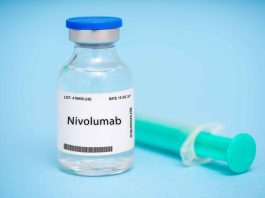
In addition, it was confirmed that the NHS will become the first health system in Europe to offer a new injectable form of nivolumab – one of the most widely used cancer treatments in England.
These new innovations form part of the government’s wider ambitions to cut waiting lists under its Plan for Change.
With a total of three million additional appointments already delivered six months early, the government is exceeding its own targets and driving down waiting lists at pace, which have fallen for six months in a row and by 219,000 since July 2024.