Earth observation technologies have emerged as vital tools in the fight against deforestation. These advanced systems provide essential insights into forest health and changes over time.
By utilising satellite imaging and remote sensing, stakeholders can identify critical deforestation hotspots. However, the integration of AI and machine learning adds another layer of complexity, enhancing data analysis.

This intersection of Earth observation technologies and ecology raises important questions about the future of forest management and conservation efforts. Innovation News Network explores these implications.
Eyes in the sky: How satellite imaging is transforming forest monitoring
Satellite imaging revolutionises forest monitoring by providing comprehensive, real-time data on deforestation patterns and forest health. This advanced technology enables researchers and environmentalists to observe vast forest areas that were previously difficult to assess.
With high-resolution imagery, satellite systems can detect subtle changes in forest cover, allowing for timely intervention and conservation efforts.
Moreover, satellite data can be integrated with other environmental indicators, enhancing the understanding of how human activities impact forest ecosystems. This fusion of information promotes informed decision-making among policymakers and conservation organisations.
Additionally, satellite imaging supports the identification of illegal logging activities, offering a proactive approach to forest protection.
As satellite technology continues to evolve, its role in monitoring forests becomes increasingly vital. Through continuous observation and analysis, it empowers stakeholders to develop effective strategies for sustainable forest management and conservation.
Mapping the damage: Identifying deforestation hotspots with precision
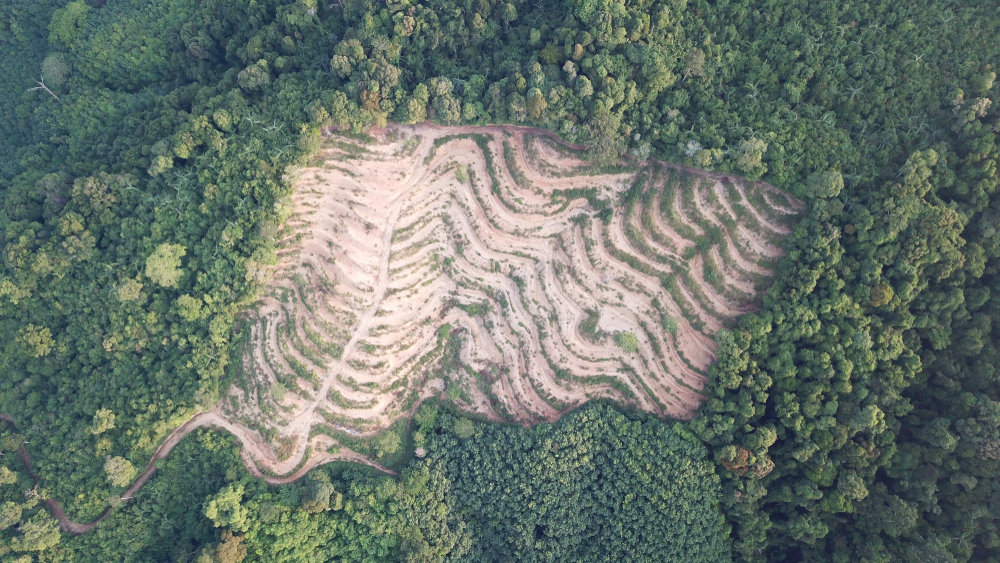
Deforestation hotspots emerge as critical areas requiring immediate attention, and advanced mapping techniques provide the precision needed to identify them.
Utilising satellite imagery and remote sensing technologies, researchers can detect changes in forest cover with remarkable accuracy. This data allows for the precise identification of regions experiencing accelerated deforestation, often linked to illegal logging, agricultural expansion, or infrastructure development.
Data for action: Turning observations into environmental policy
While the collection of precise data on forest cover changes is essential, translating this information into effective environmental policy remains a critical challenge.
Policymakers often struggle to interpret complex data sets and integrate them into actionable strategies. Bridging the gap between scientific observations and policy implementation requires collaboration among scientists, policymakers, and stakeholders.
Effective communication of data insights is vital; clear presentations and visualisations help convey the urgency of deforestation issues. Policies must be informed by real-time data to adapt to changing conditions, ensuring timely responses to threats.
Additionally, the need for robust legal frameworks and enforcement mechanisms cannot be overlooked, as these structures support the implementation of policies driven by observational data.
Ultimately, transforming observations into effective policies necessitates ongoing dialogue, capacity building, and a commitment to evidence-based decision-making to foster sustainable forest management and conservation efforts.
Global networks, local impact: International collaboration in forest protection
As nations grapple with the urgent need to protect forests, international collaboration has emerged as a critical strategy for effective forest conservation. Initiatives such as the REDD+ programme and the Bonn Challenge exemplify how countries can unite to combat deforestation through shared goals and resources.
By pooling expertise and funding, nations can implement more effective conservation strategies that transcend borders. Global networks facilitate the exchange of data and best practices, enabling local communities to benefit from international knowledge while addressing their unique environmental challenges.
Collaborative efforts often focus on capacity building, empowering local stakeholders to take ownership of forest management. The involvement of non-governmental organisations and private sector partnerships further enhances these collaborative frameworks, ensuring a multi-faceted approach to forest protection.
Ultimately, international cooperation not only strengthens global forest conservation efforts but also fosters sustainable development at the local level, creating a more resilient ecosystem for future generations.
Tech meets ecology: Integrating AI and machine learning in forest surveillance
Integrating artificial intelligence (AI) and machine learning into forest surveillance represents a significant advancement in ecological monitoring. These technologies enhance the ability to analyse vast amounts of satellite imagery and other data sources, identifying changes in forest cover with remarkable accuracy. Algorithms can detect patterns and anomalies that may indicate illegal logging or deforestation, allowing for timely interventions.
Moreover, AI systems can predict potential deforestation hotspots by analysing historical data and environmental factors, enabling proactive conservation efforts. Machine learning models improve over time, continuously refining their predictions based on new data, thus increasing the effectiveness of forest management strategies.
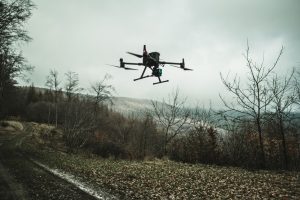
The deployment of drones equipped with AI can further augment surveillance capabilities, offering real-time data collection and analysis. This integration not only streamlines monitoring processes but also provides valuable insights for policymakers and conservationists, ultimately contributing to more effective forest protection measures and sustainable land management.
From monitoring to mobilising: Empowering communities through transparency
Transparency in forest monitoring not only enhances ecological oversight but also empowers local communities to act against deforestation. By utilising Earth observation technologies, such as satellite imagery and remote sensing, communities gain access to real-time data about forest health and land use changes.
This information fosters a sense of ownership and responsibility, enabling residents to recognise illegal logging activities and other threats to their ecosystems.
Furthermore, transparent data sharing encourages collaboration among stakeholders, including local governments, NGOs, and businesses. Empowered communities can advocate for policy changes and engage in sustainable practices, thereby creating a more resilient environment.
Preserving forest ecosystems for future generations
In conclusion, earth observation technologies are revolutionising the fight against deforestation by providing precise, real-time data that drives effective conservation efforts.
Through advanced satellite imaging, AI integration, and international collaboration, stakeholders can identify critical hotspots and implement informed policies for sustainable forest management.
By empowering local communities with transparency and actionable insights, these technologies not only enhance ecological monitoring but also foster a collective commitment to preserving vital forest ecosystems for future generations.