Fomtec recognises the urgent need for the firefighting industry to lead the elimination of PFAS in fire suppression systems through proactive measures and innovation, ensuring both environmental responsibility and effective firefighting performance.
Across the global firefighting community, momentum is building around the urgent need to eliminate PFAS from fire suppression systems. With mounting scientific evidence of their negative environmental impact, and with some identified PFAS chemicals such as PFOS and PFOA, human health issues, PFAS-containing firefighting foams – long considered essential tools – are now being phased out through increasingly strict regulation. This change cannot be driven by policy alone. The fire protection industry must take the lead through informed and proactive action.
At Fomtec, we believe the transition to Synthetic Fluorine-Free Foams (SFFFs) is not just possible – it is essential. Environmental compliance is no longer a matter of best practice. It is a fundamental responsibility, especially in an era where communities, regulators, and ecosystems are all demanding cleaner, safer solutions.
Accountability through performance: The power of testing
Removing PFAS from firefighting operations isn’t just a chemical swap – it’s a complete systems challenge. SFFFs must perform under real-world emergency conditions. Trust in these products must be built with hard data, not assumptions.
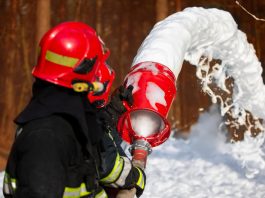
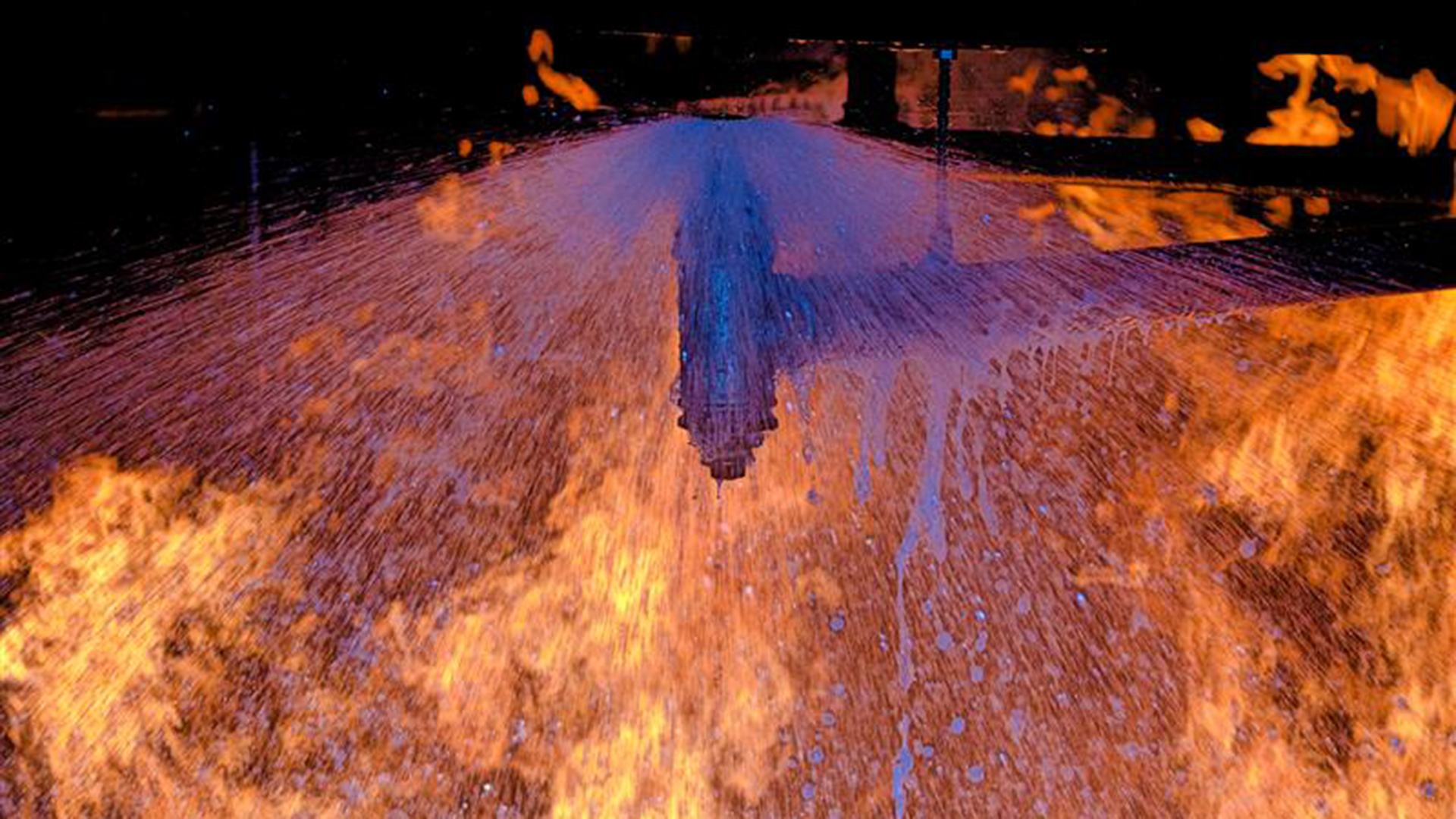
That’s why Fomtec has invested in more than 3,500 full-scale fire tests through our Enviro Programme. Our foams, including Enviro USP and Enviro ARK, have been tested and validated in real-world environments. These tests ensure our SFFFs not only meet environmental expectations but also perform reliably during critical fire suppression events.
This is about more than passing a test. It’s about leading by example, demonstrating that fire safety and environmental responsibility are not mutually exclusive – they are inseparable.
Beyond compliance: Why the industry must lead the PFAS phase-out
This PFAS phase-out started in 2000 when PFOS, used in 3M foams, was identified as a substance of very high concern before being added to the list of Persistent Organic Pollutants in 2009. As scientists around the world have expanded the research into PFAS chemicals, restrictions have been placed on other substances found in firefighting foam, or on their products of degradation when they are dispersed back to the environment.

The regulatory trend continues, and the EU’s Regulation 2024/2462 introduces tight deadlines for eliminating PFHxA from firefighting foams, with further legislation addressing PFAS in firefighting foam expected this year. Similar steps are being considered or adopted in many other jurisdictions.
Leading the transition means going further. Industry experts, consultants, system designers, and manufacturers must work collaboratively to ensure that SFFF adoption isn’t just a reaction to rules but a deliberate step toward sustainable innovation.
At Fomtec, we’ve proactively partnered with hardware manufacturers to certify foam-water sprinklers, monitors, and nozzles for use with SFFF in complex environments such as airport hangars and hydrocarbon storage sites. These aren’t future promises – they are tested, validated, and ready today.
Industry-led leadership: A roadmap for action
In a time of global environmental urgency, firefighting foam manufacturers cannot afford to take a passive role. Industry must lead with courage, clarity, and commitment. Fomtec has embraced this responsibility by aligning every stage of our product development, testing, and deployment with sustainability and environmental integrity.
We are not waiting for standards to catch up. We are not waiting for regulation to force change. Instead, we are helping shape the future through transparent communication, open collaboration, and a willingness to challenge the status quo.
This leadership takes many forms:
- Investment in testing infrastructure to simulate real-world conditions and ensure our SFFFs meet demanding operational needs.
- Working directly with system engineers and end users to ensure solutions are practical, effective, and fully understood.
- Promoting education and awareness within the industry to accelerate knowledge transfer and reduce uncertainty.
- Maintaining support for legacy systems while guiding clients through clean, evidence-based transition strategies.
We view leadership not as a marketing position, but as a service to the industry and society. Fomtec’s commitment to eliminating PFAS from fire suppression is driven by our values as much as our technical capability.
An industry-wide responsibility
We’ve seen major manufacturers exit the fluorinated foam market, but the real question is: who will step up to lead?
The responsibility falls on all of us – manufacturers, specifiers, asset owners, and regulators – to work together. This is a moment for constructive leadership, guided by science, supported by data, and fueled by a shared sense of purpose.
Fomtec is committed to continuing support for legacy systems while accelerating development of safer alternatives. Our fluorine-free Enviro line reflects not just our technical progress but our values. It embodies our commitment to health, safety, and environmental responsibility.
Closing the PFAS chapter with purpose
The future of fire suppression lies beyond PFAS. As the global community looks to eliminate forever chemicals, our industry must not be the last to follow but the first to lead.
Let us act now – with integrity, transparency, and bold commitment. This is our moment to show what responsible innovation looks like. And together, we can build a fire safety industry that protects both people and the planet.
Please note, this article will also appear in the 23rd edition of our quarterly publication.