Spectrum Blue discusses how its revolutionary Q-Field photocatalytic coatings transform walls into active antimicrobial barriers, protecting homes from mould and microbes.
What if walls could defend themselves? New materials and coatings are beginning to make that possible:
- Hydrophobic paints repel water, making it harder for mould to take hold.
- Mineral-based plasters regulate humidity naturally, absorbing excess moisture and releasing it when the air is dry.
- Bio-based treatments are being developed to safely inhibit microbial growth without toxic chemicals.
But the most radical leap comes from a new class of photocatalytic coatings – and here, one product is attracting global attention.
Q-Field: giving surfaces an immune system
Developed by Spectrum Blue, Q-Field is being described as a game-changer for healthy buildings. Unlike conventional paint, Q-Field is infused with a photocatalytic pigment that activates in visible light.
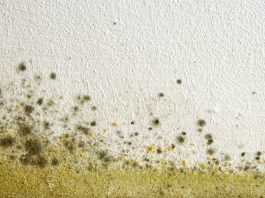
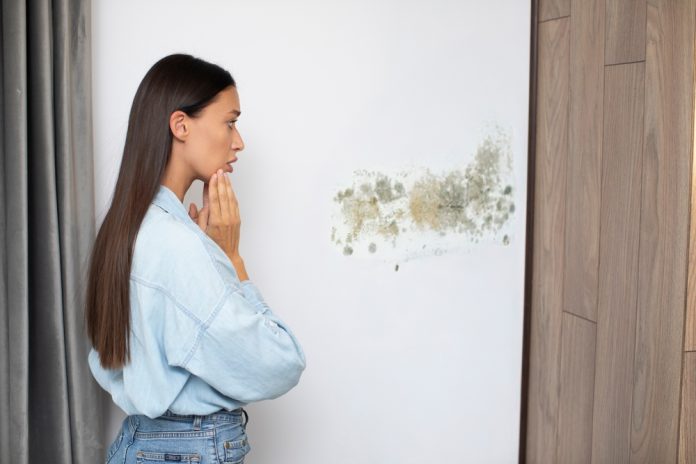
The result: every coated surface becomes an active antimicrobial barrier, continuously breaking down bacteria, viruses, fungi, and mould spores. It is, in effect, the immune system of a building.
- Works in all visible light (not just UV).
- Destroys mould spores on contact, preventing growth at the source.
- Functions as both protection and prevention — reducing microbial load and stopping recurrence.
- Can be applied like conventional paint, making it scalable across housing stock.
“This is not just about painting over mould; it’s about changing the biology of buildings,” says one industry expert.
If widely adopted, Q-Field photocatalytic coatings could cut cases of mould-related illness dramatically, protect vulnerable tenants, and slash the billions spent each year by the NHS on housing-related disease.
Complementary breakthroughs on the horizon
Q-Field is part of a wave of innovation. Other promising solutions include:
- Moisture-blocking membranes beneath plasterboard that prevent hidden damp from reaching interior surfaces.
- Nanotechnology-based sprays that create thin, invisible layers resistant to microbial colonisation.
- AI-powered maintenance platforms that integrate sensor data, tenant reports, and building models to automatically trigger repair workflows within Awaab’s Law deadlines.
Together, these form a new ecosystem of healthy housing technology.
Why innovation matters now
Awaab’s Law ensures that landlords must act. But laws alone do not save lives — technology, properly deployed, does.
The innovations described here do more than comply with regulation:
- They prevent illness before it starts.
- They empower landlords to manage portfolios proactively.
- They deliver equity, ensuring low-income families have the same protection as wealthier households.
- They save public money by cutting healthcare and maintenance costs.
Towards a healthier housing future
The lesson of Awaab Ishak’s death is that delay kills. But the technologies now available — from sensors to smart ventilation, from mineral plasters to Q-Field’s intelligent photocatalytic coatings — point towards a housing system where damp and mould are not tolerated, but engineered out of existence.
This is not just a technical challenge; it is a moral imperative. If innovation is embraced at scale, the next generation of children could grow up in homes where the air they breathe is no longer a hidden threat, but a foundation for health.