Dr Marta Zanchi, Founder and Managing Partner of global healthtech VC, Nina Capital, discusses how nurses can be empowered to complete treatments via telemedical supervision, making primary care more accessible for Europe’s ageing population.
Consistently higher life expectancies and lower birth rates mean that populations across Europe are rapidly ageing. More than a fifth of the population is already aged 65 or over, and over half of Europe is older than 44. This demographic shift has significant implications for health systems that are already under strain. The number of primary care appointments required each year is projected to rise significantly, with elderly patients accounting for a disproportionate share of consultations.
Elderly and at-risk patients must be safeguarded against inflated wait times, which have the potential to harm standards of care – especially for those with long-term conditions. In the UK alone, nearly a third of NHS patients with conditions such as back pain, arthritis, and diabetes reported not receiving enough support from local services to help them manage their conditions. Missed checkups or delays in treatment can lead to worsening health outcomes and ultimately more costly hospital interventions.
To address these challenges, reevaluating delivery models across primary care is imperative to enhance efficiency, affordability, and accessibility for all.
The changing primary care workforce
According to the World Health Organisation (WHO), Europe is experiencing a shortage of primary care physicians. Since the COVID-19 pandemic, healthcare systems have been struggling with significant workforce shortages, which are already stretching primary care capacity to its limits. Europe has an estimated shortage of 1.2 million healthcare professionals and could face a deficit of 4 million health and social care workers by the end of the decade. In England, the number of General Practitioner (GP) practices has dropped by almost 20% in the past decade.
Many regions are also struggling with a geographical maldistribution of GPs, resulting in shortages that are particularly pronounced in rural areas. In Germany, 5,000 GP practices are vacant, which is significantly impacting remote communities. As a result, many patients are forced to travel hours just for basic care.
Without reforms to our primary care systems, Europe’s shortage of doctors is set to worsen soon, as our population of doctors is ageing. In Germany, for example, over a third of GPs are over 60.
With such a significant proportion of doctors heading towards retirement, and younger generations choosing specialities outside general practice, primary care systems are facing a looming capacity crisis. Burnout is accelerating the problem: more clinicians are leaving the profession due to long hours, stress, and lack of resources. Without reforms, these trends will converge to worsen the crisis.
Empowering nurses
One way to address the rising number of elderly patients, as well as the declining number of primary care physicians, is to empower nurses to perform basic procedures traditionally reserved for doctors. This could include administering vaccinations, managing minor infections, and assessing cases of colds and minor pain. This is a practice that is already used successfully in countries such as Finland, the Netherlands, New Zealand, and Australia. For instance, in Finland, 30 out of 50 patient treatments are fully completed by a nurse.
This system enables doctors to focus on more complex and critical cases, while also reducing costs for patients who must pay for medical care. The financial burden for treatment can be significant for many, with the WHO finding that the number of Europeans who are forced into poverty following healthcare costs is rising.
Given proper supervision, nurses can be enabled to perform a greater number of procedures on patients. Resistance to this from medical associations is often centred on concerns about patient safety, but these can be addressed by ensuring oversight through modern telemedical tools.
Telemedical supervision
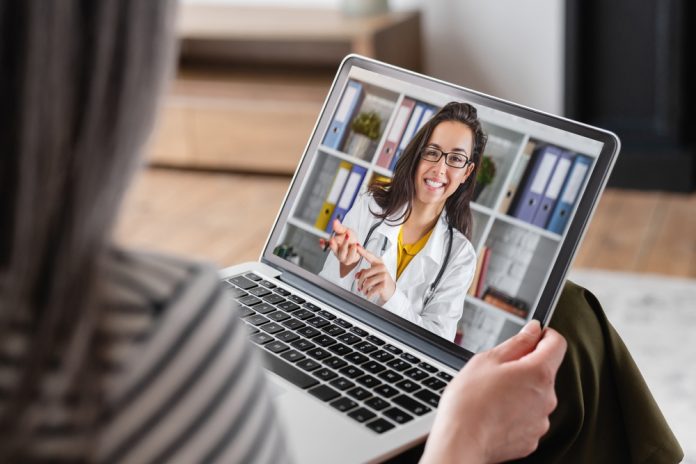
To ensure that nurses can safely administer treatments, they require sufficient supervision from doctors. The most convenient way to enable oversight is through telemedical supervision, such as via video call, allowing doctors to oversee the treatment remotely in real-time. This ensures oversight without a significant burden on doctors’ time.
Utilising telemedicine to reduce wait times in primary care is already a popular trend in the US, with Amazon’s One Medical subscription service enabling members to consult with medical professionals remotely. Other companies, such as Transcarent, also operate in this niche.
This system also benefits patients living in rural areas, particularly. Treatment via telemedical supervision will enable more rural patients to receive care at their local practices, even in regions with a limited number of doctors. This will serve to make treatment more comfortable and convenient for elderly patients and others who are less able to travel. In the US, providers like Homewald offer similar telemedical services, enabling elderly individuals to receive local treatment. LillianCare is pioneering this service in Europe and has begun to reopen rural GP practices across Germany.
However, for this system to succeed, two factors must align. First, the correct financial incentives must be in place for these care businesses to be sustainable and thrive. Second, investment in digital infrastructure is critical. Rural areas, in particular, need reliable broadband access, secure telehealth platforms, and adequate training for both healthcare providers and patients. If properly supported, telemedical supervision has the potential to reshape the primary care landscape across Europe.
Preparing for the future
We must act now to reform our primary care systems to protect them from the pressures of an ageing population and shortage of medical professionals. Telemedical supervision is a safe and scalable solution that is already proving effective in many regions.
Policymakers should also consider incentives to encourage collaboration among doctors, nurses, and other healthcare professionals in building a more integrated model of care. Importantly, reforms must place patients at the centre, ensuring that care remains safe and accessible – even in rural and remote areas.