According to the Waste and Resources Action Program, an estimated 4.7 million tonnes of food waste is produced by UK households each year.
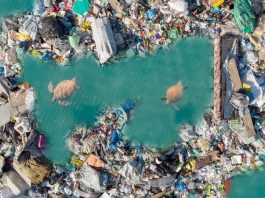
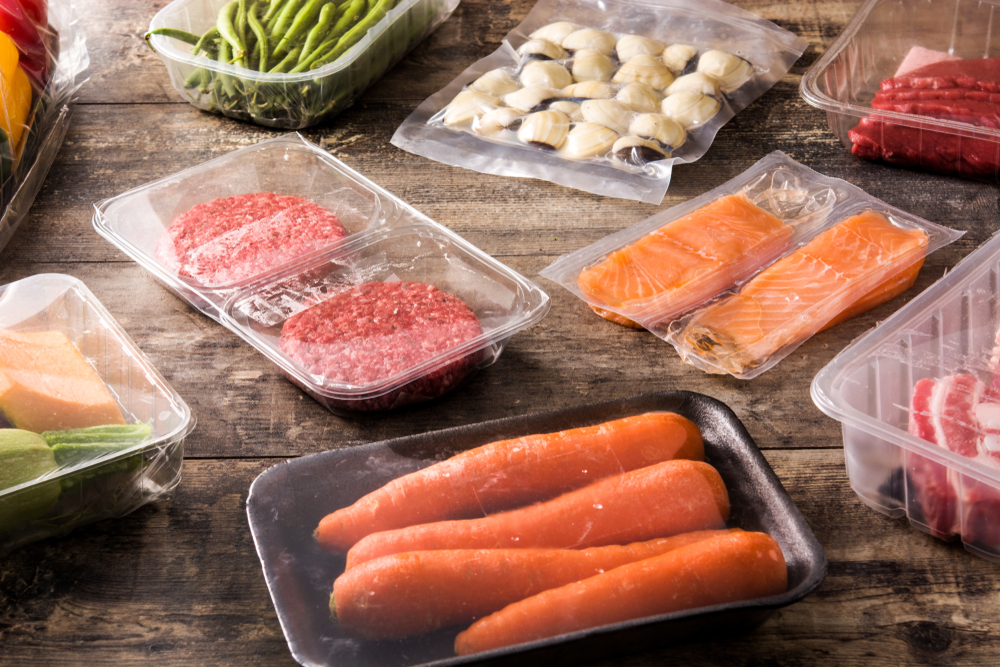
However, the single-use plastic packaging used to reduce food waste poses a more insidious problem. Once discarded, the single-use plastics that cushion, seal, protect and extend the shelf life of our groceries can linger in landfills, beneath the ground, in rivers and on the seabed for centuries.
Mounting plastic waste could disrupt ecosystems, negatively affect food security by declining animal health, and cause health issues in people.
The scale of the plastic waste problem
UK households discard approximately 90 billion pieces of plastic packaging each year. In 2024, the UK achieved a recycling rate of approximately 51%–53.7% for plastic packaging waste.
The rest was incinerated, landfilled, or shipped abroad, typically to countries with weaker waste management systems. It is buried, burned, or stored haphazardly, posing a risk of leakage into rivers and seas.
Traces of plastic have been detected everywhere from Arctic ice to the hottest deserts, from the bellies of seabirds to human blood, lungs and placentas.
Plastic waste doesn’t eventually break down like food waste – it keeps adding up and slowly poisons ecosystems for the future.
Food waste decays, but plastic stays
An estimated 16 million tonnes of carbon dioxide are produced from the waste of consumable food and drink in UK households.
However, as damaging as it is, food waste has an endpoint: it decomposes, breaks down, and then returns to the soil.
In contrast, plastic packaging persists indefinitely, slowly fragmenting into smaller parts and disintegrating into stubborn chemical constituents that stick around.
We must see waste in general as a challenge to overcome
To overcome these challenges, we must reassess the hierarchy of things that we, as consumers, feel guilty about.
Food waste certainly matters, but so does plastic packaging. The problem is that plastics have not been a part of our moral economy for long.
Plastics became popular because they were useful and convenient, not because they held any deep meaning for people or communities like food does.
Unlike food, we don’t have old traditions, emotional memories, or moral lessons connected to how we use or waste plastic. No one gives thanks for plastic wrapping, and no one tells moral stories about carelessly throwing it away.
We need new ways of thinking and talking about plastic waste – as something harmful that will last longer than we do, pollute our rivers, fill animals’ stomachs, seep into our food, and damage our health even after we stop using so much of it.