The European Commission has established a taskforce to reinforce the Union’s ability to ensure imports meet food safety standards.
In particular, it will focus on feed and food safety, pesticide residues, and coordinated EU monitoring actions for specific imported products.
The taskforce brings together expertise from the Commission and Member States, and will contribute to:
- Further harmonising of import controls across the EU
- Developing recommendations for joint actions between the Commission and Member States
- Identifying where additional administrative or regulatory measures are needed to strengthen controls
Strengthening EU food safety policy
The EU has robust food and feed safety legislation that ensures imported food and feed are safe for its citizens.
National authorities are responsible for conducting checks on imports from third countries to assess compliance with EU food and feed safety rules.
The Commission conducts audits of third countries to assess their systems and reliability, while also working closely with the veterinary and customs authorities in the Member States.
Supporting ‘farm-to-fork’ legislation
In the EU, feed and food safety is governed by a “farm-to-fork” philosophy, ensuring that products from across the globe meet the same rigorous safety standards.
Food safety
The European Food Safety Authority (EFSA) provides independent scientific advice that underpins all EU food rules.
A key pillar of this law is traceability – every food or feed business must be able to identify who supplied them and who they supplied. This ensures that if a safety issue is detected, the “guilty” product can be precisely tracked and withdrawn from the market immediately.
Pesticide residue
The EU maintains some of the world’s strictest limits on pesticide residues, setting out Maximum Residue Levels (MRLs), which are the highest concentrations of a pesticide legally allowed in food or feed.
If a specific limit hasn’t been set for a substance, a default MRL of 0.01 mg/kg applies – essentially the lowest level detectable by standard laboratory equipment.
Imported products
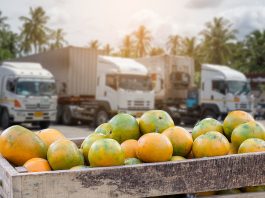
Imported food and feed must comply with the same food safety requirements as those for food and feed produced within the EU.
Products of animal origin and “high-risk” non-animal products (like certain nuts or spices from specific countries) must enter through Border Control Posts (BCPs).
If an imported product is found to be dangerous, such as containing banned substances, the rapid alert network immediately notifies all Member States to prevent it from reaching consumers.
Protecting human, animal and plant health
The central goal of the European Commission’s Food Safety policy is to ensure the highest levels of protection for human, animal, and plant health by guaranteeing safe, nutritious food for EU consumers and the highest standards for animal feed.
Strict import rules regarding food and feed hygiene, consumer safety, and plant and animal health status aim to ensure that all imports meet the same high standards as products from the EU itself.
Import controls are crucial in verifying compliance of food and feed products with relevant requirements. EU rules apply to all products sold in the EU, whether produced domestically or imported.