How is sustainability driving design and development within the packaging industry?
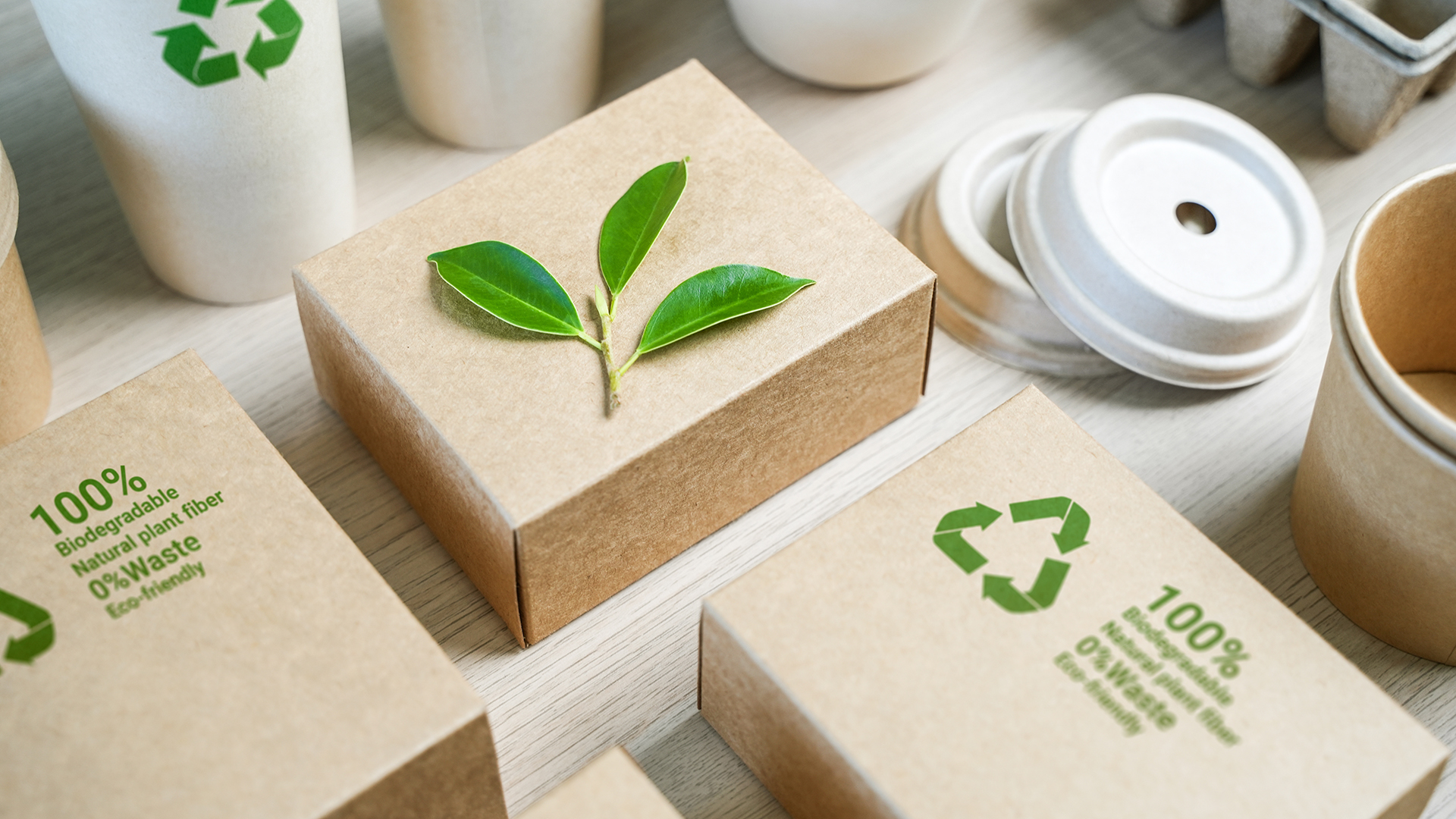
The shift towards a circular economy is redefining packaging. Consumer demands are evolving, legislation is changing, and advances in science and technology are all impacting packaging design and development. Here, industry experts unpack how these trends are influencing sustainable packaging strategies.
Materials science: Innovation accelerates under environmental and cost pressures
Material choice is a big part of packaging sustainability, and choices are being shaped by customer demand, environmental goals, cost volatility, and legislation.
Zoe Brimelow, a Director at packaging manufacturer and consultancy Duo, explained: “Consumers expect brands to be honest, transparent and accountable, while legislative requirements for organisations to be more resourceful and improve recycling are encouraging companies to explore new material technologies.
“Materials science is advancing at pace, with innovations creating new possibilities for packaging sustainability. Bio-based GreenPE, for example, is derived from renewable sources of sugar cane ethanol. During growth, sugar cane absorbs CO2 and the thermoplastic resin is recyclable.”
Zoe also highlighted how other material innovations, such as recycled polymers, mycelium-based foams, seaweed films and compostable alternatives, are all aiming to deliver outstanding packaging performance, while minimising environmental impact.
“Designing out waste and pollution forms an important part of creating a circular economy, and this goal is likely to see advances in packaging materials science prioritising three key areas over the coming years,” added Zoe. “These include renewable and bio-based polymers, recyclability, and lightweighting and durability. The latter is particularly exciting, with opportunity for high tensile strength, low-weight packaging to create new supply chain efficiencies that boost sustainable performance.”
Consumers: Trust, proof, and authenticity drive packaging sustainability
Trust is becoming a defining factor in packaging design. Consumers are wary of greenwashing and sceptical of vague eco claims. They are demanding greater transparency and want to see solid proof that backs up the environmental merits of products and services. Packaging has the power to deliver this.
Zoe said: “Packaging provides one of the strongest, up-close-and-personal interactions between brands and consumers. For this reason, packaging can satisfy people’s curiosity, answer their questions, and address any concerns about a brand’s Environmental, Social & Governance (ESG) commitments and performance. Packaging is a storytelling canvas for brands and can solidly show proof and purpose in terms of a company’s approach towards sustainability.
“Brands are rethinking packaging design and development to ensure their packaging is a proof point for sustainability and communicates engaging circularity stories.”
Hayley Simon is Head of Staci Create, part of bnode – a global business with services in more than 200 countries. Staci Create operates within the group’s 3PL business unit, Paxon, and specialises in the design, sourcing, and delivery of branded packaging and marketing materials.
Hayley added: “Packaging is a physical, 3D representation of a company’s sustainability values. It shapes consumer perceptions, impacting brand reputation and loyalty, and this is having a huge bearing on packaging design.
“Sustainability is reshaping the look and feel of packaging. Greenwashing and greenhushing are major concerns for brands and consumers, encouraging companies to think even more carefully about what they say on pack and how they say it. The focus is now on how to tell genuine sustainability stories using data-backed claims, along with the considered use of images, colours, and messaging that will appeal to consumers and win their trust.”
Legislation: An enabler of transformation
Legislation is driving new trends in packaging sustainability. The EU’s Packaging and Packaging Waste Regulation (PPWR) and the UK’s Extended Producer Responsibility (EPR) are leading brands to prioritise the rightsizing and lightweighting of packaging.
Zoe explained how legislation is influencing packaging design: “Brands are prepared to go back to the drawing board, questioning just how effective their packaging strategies are at minimising material usage, volume, and weight. This marks a real shift in how sustainability goals are being addressed.
“Packaging specification has often started with a designated material or a focus on recycling and worked backwards from here. Instead, brands are now completing full life cycle analysis to determine packaging demands throughout supply chains to identify the most effective material for meeting the requirements of circularity-led legislation.”
Staci Create is seeing similar trends in the rightsizing and lightweighting of packaging. “Minimalism is fast becoming a major focus for sustainable packaging design,” added Hayley. “More companies are reducing pack sizes to cut down on material usage and waste. Consumers notice overpackaging and really don’t like it.
“Efficient packaging design can send a clear message that a company cares for and respects the environment. We’re working closely with businesses to make smaller pack sizes more visually appealing, which can delight consumers and help build brand loyalty.”
The experts are also seeing a clear shift in how changes in legislation are playing an important role in ending packaging material bias. Zoe concluded: “There’s been a tendency for companies to think plastic isn’t a sustainable choice for packaging. The growing spotlight on the usage, volume and weight of packaging is showcasing how plastic solutions can prove an effective choice for lowering emissions and reducing consumption of virgin resources. Plastic packaging has huge potential to support the shift towards a circular economy and legislation is helping open people’s eyes to this.”