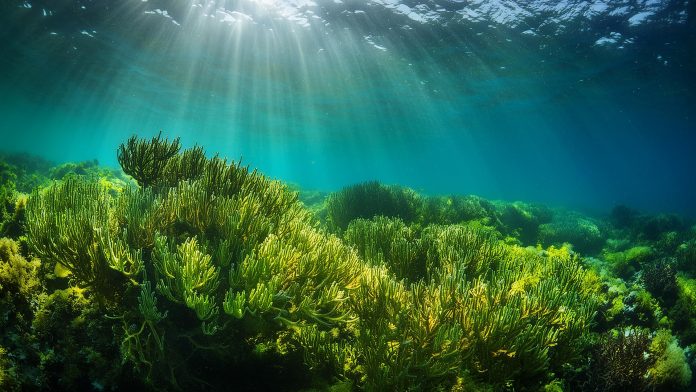
The Algae4IBD project is unlocking the potential of algae, developing sustainable bioactive ingredients for inflammatory bowel disease and pain.
The EU-funded Algae4IBD project, co-ordinated by Dr Dorit Avni from MIGAL Galilee Research Institute, is pioneering the use of algal biodiversity and biotechnology to discover and develop sustainable bioactive ingredients for inflammatory bowel disease. By bridging advanced bio-screening, sustainable cultivation, and industrial applications, the project is translating marine biotechnology into novel functional foods and therapeutic candidates. Algae4IBD exemplifies how ocean-derived resources can support a circular bioeconomy and future gut health innovations.
Algae: A sustainable resource for gut health innovation
IBD affects over 6.8 million people worldwide, with incidence concernedly raising globally. Current therapies often fail to provide long-term relief and can cause adverse effects, creating an urgent need for safer, more sustainable solutions. The Algae4IBD project is addressing this challenge.
Together with the project partners, the research team is harnessing the biodiversity of algae to discover new bioactive compounds that target inflammation, oxidative stress, pain, microbial gut imbalance, and intestinal barrier integrity.
Unlike single-target pharmaceuticals, algae offer a multifunctional platform. Their metabolites exhibit anti-inflammatory, antioxidant, antimicrobial, and prebiotic activities, thereby supporting gut health through natural, sustainable pathways.
A multidisciplinary European effort
The Algae4IBD consortium comprises 21 partners from 12 European countries, representing a diverse range of academic research institutions, biotechnology SMEs, and industry innovators. Together, they have assembled a repository of over 150 algae strains, including seaweeds, microalgae, and cyanobacteria, and have generated more than 600 extracts through aqueous and organic extraction methods.
Each extract is screened using cell-based and enzymatic assays to evaluate five key bioactivities: anti-inflammatory, antioxidant, analgesic, antimicrobial, and prebiotic potential. More then 20 microalgae and seaweed species out of the 150 ones explored have already demonstrated promising activity, highlighting the diversity and power of algae-derived compounds.

The team’s approach combines advanced bio-screening, including green production technologies, to ensure scalability. Six leading strains have been enriched for specific compounds composition without genetic modification, maintaining a non-GMO regulatory pathway that simplifies translation into consumer products.
From screening to functional food prototypes
A major focus of Algae4IBD is bridging laboratory discovery with industrial application. To validate the potential of algal bioactives in real-world conditions, researchers conducted simulated digestion assays confirming compound stability under gastrointestinal environments – an essential step for developing edible health products.
The project has progressed from in vitro to in vivo validation, utilising preclinical colitis models, including IBD-patient cell-based screening at which have confirmed the anti-inflammatory efficacy and safety of ten promising algal species-based extracts. These results paved the way for developing algae-enriched functional food prototypes, including bakery products, spreads, and dietary gummies, demonstrating the project’s translational ambition.
Dr Dorit Avni said: “Our findings show that algae can provide bioactive ingredients that are both effective and compatible with industrial-scale food production.
“This bridges the gap between marine biotechnology and preventive nutrition.”
Towards sustainable production and industrial integration
Beyond discovery, Algae4IBD is advancing sustainable algae cultivation technologies and techno-economic models to support the commercial feasibility of these innovations.
Industrial and research partners are optimising microalgae photobioreactor and contribute expertise in formulation for functional ingredients, ensuring alignment with industry standards. Food researchers are developing food prototypes, including algae-based spread, bread, and fairy cakes.
These activities exemplify the project’s vision of a circular blue bioeconomy that promotes consumer health, where algae cultivation, fractionation, and valorisation are integrated into a sustainable production chain.
The consortium is also ensuring that all strains used adhere to the Nagoya Protocol on Access and Benefit Sharing, thereby safeguarding both environmental and ethical standards.
Future directions and impact
As the project approaches completion in 2026, ongoing work focuses on compound fractionation and identification using advanced analytical platforms (HPLC, LC-MS/MS, and NMR). Lead molecules are being structurally characterised and tested in the bio-screening systems to deepen the understanding of their immunomodulatory mechanisms.
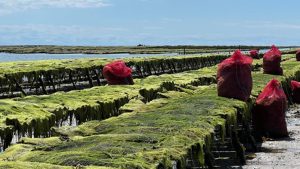
In parallel, prototype foods and nutraceuticals are being refined for sensory quality, stability, and consumer acceptance. These efforts position Algae4IBD as a model for integrating marine biotechnology with precision nutrition and public health innovation.
Dr Dorit Avni said: “By combining fundamental research with industrial scale-up, we aim to deliver new therapeutic candidates and functional foods that are effective, safe, and sustainable.”

Commercial development and communication
Alongside its scientific achievements, Algae4IBD places strong emphasis on commercial translation and stakeholder engagement. Partners are conducting techno-economic assessments and developing business strategies to ensure the market readiness of lead compounds and algae-based extracts. They also evaluate production scalability in an economically viable manner.
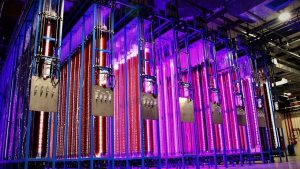
Academics, industry professionals, and consumers can dive deeper into our work and discoveries. Scientific publications, and the recording of our webinar, ‘Functional Food from Algae,’ are available on the project’s website.
The Algae4IBD Final Event in Dublin, Ireland, on March 4–5, 2026, will present the project’s exciting results and enable everyone to engage with our innovations, and enjoy a unique opportunity to taste our innovative algae-based products firsthand.
Funding acknowledgement
This project has received funding from the European Union’s Horizon 2020 Research and Innovation Programme under grant agreement No. 101000501.
Please note, this article will also appear in the 24th edition of our quarterly publication.