Having made an early decision to invest in science surrounding PFAS, crcCARE now offers an expansive portfolio of PFAS solutions rooted in deep scientific knowledge.
Long before PFAS became a headline issue or a regulatory priority, crcCARE recognised that a major environmental challenge was emerging. In 2005, when only a handful of laboratories worldwide could reliably measure PFOS or PFOA, crcCARE had already begun building the scientific, analytical, and engineering capabilities needed to understand these ‘forever chemicals’. At the time, PFAS were still considered niche industrial compounds used in coatings, mist suppressants, and aqueous film-forming foams (AFFFs), etc. Yet, crcCARE understood that the unique carbon–fluorine bond underlying the PFAS family would inevitably create unprecedented environmental persistence, long-range mobility, and complex exposure pathways.
This early decision to invest in PFAS science was transformative. Many national and international agencies began focusing on PFAS only after widespread contamination was detected at sites such as firefighting training areas, airports, defence bases, and industrial zones. By contrast, crcCARE had spent nearly a decade developing expertise across environmental chemistry, hydrogeology, ecotoxicology, soil science, analytical method development, and fate-and-transport modelling. By the time PFAS entered public and regulatory discourse, crcCARE had already positioned ahead of the curve in Australia and globally.
crcCARE’s early PFAS research programme generated foundational insights into:
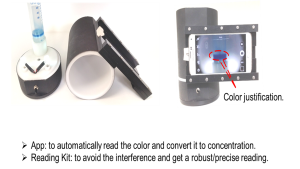
- Filed based monitoring of PFAS, especially using smart phone approach.
- Leaching and mobility in variable-charge soils, especially those rich in iron and aluminium oxides.
- pH-dependent sorption, where reversals in surface charge dramatically alter PFAS movement.
- Plant uptake and food-chain transfer, particularly in leafy vegetables and produce grown near contaminated sites.
- Groundwater plume development, including migration under intermittent flow regimes.
- Microbial and stygofaunal responses, revealing early signs of ecological disturbance.
This early work helped shape Australia’s national PFAS science agenda and allowed crcCARE to guide industry and government through a period when global understanding was fragmented and analytical techniques were still emerging.
Today, crcCARE is widely recognised as one of the world’s leading centres for PFAS research, remediation technology, policy development, and capacity building. Its work spans the full lifecycle of PFAS management – from risk assessment and site characterisation through to remediation, guideline development, technology deployment, and global training.
Advancing smartphone-enabled PFAS monitoring to sub-ppb sensitivity: Investment opportunity
crcCARE has developed a proprietary smartphone-enabled PFAS monitoring platform that enables rapid, field-based screening and operational monitoring with current detection sensitivity of approximately 2 µg/L (2 ppb). This capability already fills a critical market gap by providing immediate, on-site intelligence for risk screening, treatment optimisation and emergency response. However, global regulatory standards, drinking-water guidelines and ESG-driven compliance frameworks are increasingly moving toward sub-ppb and even ng/L thresholds, creating a clear commercial and regulatory imperative for next-generation sensing solutions. Targeted investment is now required to advance sensor chemistry, signal amplification and data analytics to achieve sub-ppb sensitivity, positioning crcCARE’s platform as a first-in-class, low-cost alternative to laboratory-bound methods for routine PFAS monitoring. The global market for PFAS monitoring, compliance testing and operational surveillance is conservatively estimated at US$4-6bn per annum, with the field-deployable and rapid-screening segment representing US$1-2bn annually, driven by regulatory testing obligations across defence, airports, water utilities, mining, agriculture and remediation services. Achieving sub-ppb detection would unlock this rapidly growing segment, supporting scalable deployment under device-plus-data or subscription service models, and enabling market penetration even at modest adoption rates. This investment represents a unique opportunity to translate crcCARE’s proven research leadership into a globally deployable digital environmental product, fully aligned with tightening PFAS regulations, ESG accountability and accelerating demand for real-time, defensible environmental intelligence.
Pioneering PFAS remediation: The world’s first field-ready technology
In 2009, the global remediation community had virtually no proven technologies capable of treating PFAS at field scale. Conventional solutions – activated carbon, ion-exchange resins, incineration, and reverse osmosis – were either limited, untested under real conditions, prohibitively expensive, or created concentrated PFAS waste streams requiring further treatment.
crcCARE took a bold step by developing what we named matCARE and deploying what became the world’s first field-validated PFAS treatment system. This was not a laboratory demonstration, nor a pilot-scale theoretical exercise. It was a fully operational treatment train designed to run under real environmental conditions, treating real PFAS contamination at a time before few institutions internationally had attempted such work.
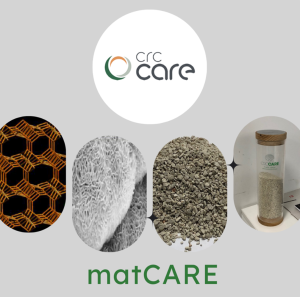
The deployment generated unprecedented data and engineering insights, including:
Breakthrough behaviour and sorption dynamics
crcCARE demonstrated that PFAS removal was strongly influenced by flow rate, influent chemistry, natural organic matter, pH and competitive ion loading. This helped refine the design of high-capacity sorption systems and revealed how operational parameters should be adjusted to maintain efficiency.
The critical role of pre-treatment
The 2009 system provided clear evidence that pre-filtration, turbidity reduction, and removal of colloids were essential for extending media lifespan. This principle later became standard practice in PFAS remediation worldwide.
Shaping the future of PFAS treatment
Most importantly, crcCARE’s early field work demonstrated that PFAS remediation could move beyond academic discussion and be implemented at operational scale. This gave confidence to regulators, industries, and water authorities at a time when uncertainty was high.
This early leadership led to crcCARE initiating Australia’s national PFAS guidelines, regulatory practice, later led by regulatory jurisdictions with crcCARE developing technical guidance on human health risk linked to PFAS and strategies for managing PFAS-contaminated sites and the development of later remediation technologies – including the crcCARE technology pfasCARE™.
pfasCARE™: A scientific breakthrough in PFAS destruction
While many global technologies continue to rely on ‘capture-and-contain’ methods, crcCARE pursued a fundamentally different approach: complete destruction of PFAS towards mineralisation.
pfasCARE™ represents one of crcCARE’s most important scientific achievements, because it addresses the central limitation of capture-based technologies – that PFAS are merely transferred from one medium to another, creating a concentrated waste and a contained problem.
Why destruction matters
Most conventional technologies – activated carbon, ion exchange, resin systems, membrane filtration – simply transfer PFAS from water to a secondary medium. This creates an ongoing liability for communities, industries, and governments. Moreover, as waste incineration becomes more restricted globally, the world faces an urgent need for destructive technologies that can break PFAS molecule backbones apart rather than shift the burden downstream.
crcCARE anticipated this challenge more than a decade ago.
Leadership through innovation
pfasCARE™ emerged from crcCARE’s conviction that PFAS management could not be limited to simply transferring contaminants from one medium to another. Hence, crcCARE invested in research that would make Australia one of the first jurisdictions worldwide to demonstrate practical PFAS mineralisation, using an engineered electrochemical process.
This innovation positioned crcCARE not merely as a participant in global PFAS research, but also as a driver of technological direction, influencing how governments and regulators conceptualise end-of-life of the PFAS treatment.
A new frontier: Breaking the carbon–fluorine bond
pfasCARE™ is crcCARE’s flagship destruction technology – a multi-stage process engineered to:
- Generate reactive materials capable of cleaving C–F bonds.
- Break long-chain PFAS into shorter intermediates.
- Further oxidise intermediates to fluoride ions, carbon dioxide and benign organics.
- Prevent the accumulation of short-chain daughter PFAS.
- Mineralise PFAS to the point where treated water meets strict discharge criteria.
pfasCARE™ uses electrocatalytic reactions to attack the carbon–fluorine backbone, which can be further enhanced by combining with other advanced oxidation processes such as sonication, low-temperature thermal, etc.
Together, these drives can destroy PFAS at the molecular level toward mineralisation. crcCARE’s research team has validated mineralisation through fluoride ion recovery and mass-balance closure – the highest level of scientific rigour in PFAS destruction.
Sequential polishing for complete destruction
One of crcCARE’s key innovations is a multi-stage polishing system that ensures short-chain PFAS transformation products – common in other destruction technologies – are themselves destroyed rather than discharged. This reduces the risk of inadvertently producing more mobile PFAS compounds such as PFBA or PFPeA.
Robustness across complex waste streams
Through continuous refinement, pfasCARE™ has been shown to tolerate:
- High salinity.
- AFFF residues and industrial surfactants.
- Variable pH.
- Elevated organic loads.
- Landfill leachates with mixed chemical signatures.
This adaptability positions pfasCARE™ as a globally relevant solution for PFAS destruction. This capacity distinguishes crcCARE as both a scientific authority and a practical service provider.
Leadership through validation and demonstration
While many PFAS destruction concepts remain confined to laboratory experiments, pfasCARE™ has been translated into practice through crcCARE’s leadership in:
- Pilot-scale validation.
- Treatability assessments across multiple PFAS mixtures.
- Field demonstrations in operational environments.
- Independent third-party evaluations.
- Training programmes that equip practitioners worldwide in PFAS destruction science.
This positions crcCARE as one of the few organisations globally with both a proven technology and the capability to implement it responsibly and at scale.
Mobile PFAS wastewater treatment: Real-time action, real-world impact
crcCARE recognised early that PFAS contamination hotspots often occur in remote or infrastructure-limited regions, such as: defence bases, satellite airfields, regional communities, industrial zones, and mine sites. Waiting for treatment delays risk reduction and increases environmental migration.
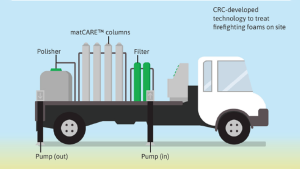
To close this gap, crcCARE developed mobile PFAS remediation units — compact, flexible, and engineered for a rapid deployment. These units extend crcCARE’s national leadership role by enabling rapid intervention at contaminated sites – often before environmental risks escalate.
A national rapid-response capability
The mobile systems were developed to answer a pressing national need: PFAS events cannot wait for planning cycles or large-scale construction.
crcCARE’s mobile facilities allow:
• Immediate stabilisation of high-risk PFAS situations.
• Immediate response during spills or emergency events.
• Temporary treatment during emergency works.
• Support for rural and remote communities.
• Rapid turnkey deployment for defence, fire services, mining operations, and airports.
• On-site treatment that avoids transporting PFAS-laden water across long distances.
This approach reduces risk, cost, and environmental footprint. This capacity distinguishes crcCARE as both a scientific authority and a practical service provider.
Design features that reflect leadership
Each mobile system integrates:
• Pre-filtration to reduce turbidity.
• Tailored ion-exchange systems.
• Catalytic and electrochemical reaction chambers.
• Polishing units for residual PFAS removal.
• Automated monitoring and control.
These systems provide the kind of modularity and field readiness needed in regions where infrastructure is limited or where immediate PFAS mitigation is urgent.
Contribution to national environmental security
By treating PFAS contamination before it migrates and expands into drinking water supplies or ecological receptors, crcCARE strengthens:
- Public health protection.
- Water security.
- Compliance with national guidelines.
- Community confidence.
This reinforces crcCARE’s reputation as Australia’s trusted environmental problem-solver.
World-first horizontal subsurface reactor: Passive, low-energy PFAS treatment
Groundwater is the most difficult PFAS-affected medium to treat: plumes can extend kilometres, recharge continuously and interact with complex soil matrices. Pump-and-treat systems often require decades of operation, high-energy consumption, and significant carbon emissions.
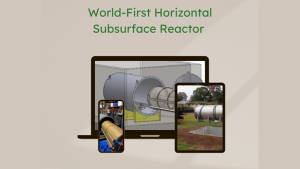
crcCARE’s horizontal subsurface reactor is a world-first innovation designed to treat PFAS within the aquifer itself, using passive hydraulic gradients rather than mechanical pumping.
Engineering concept
Installed horizontally beneath the surface, the reactor acts as a permeable, reactive zone through which groundwater naturally flows. Within this zone, engineered media facilitate:
- Sorption of PFAS.
- Catalytic reaction processes.
- Reductive and oxidative mechanisms.
- Immobilisation and stabilisation under sustained flow.
Hydrodynamics and design optimisation
crcCARE scientists used computational fluid dynamics (CFD) to analyse:
- Flow distribution.
- Residence times.
- Contact efficiency.
- Reactive surface interactions.
This scientific design ensures that the reactor operates with remarkable efficiency while maintaining structural stability underground.
Field performance and outcomes
Across demonstration sites, crcCARE has documented:
- Up to 99.8% PFAS removal across a range of flow conditions.
- Structural and functional stability over extended periods.
- Millions of litres treated annually.
- Media replacement required only once per year.
- Successful operation using solar-powered support systems.
This reactor represents one of the most innovative groundwater PFAS solutions globally – a testament to crcCARE’s engineering leadership.
PFAS in soils: crcCARE’s globally recognised leadership in risk-based soil management
PFAS-contaminated soils present one of the most difficult remediation problems due to sorption variability, soil organic matter interactions, and cost constraints. crcCARE is internationally recognised for developing practical soil-based PFAS solutions grounded in bioavailability science, not unrealistic ‘remove everything’ expectations.
Transformational technologies: matCARE™ and nanomatCARE™
crcCARE developed matCARE™ and nanomatCARE™ – engineered mineral materials that immobilise PFAS through:
- Hydrophobic interactions.
- Anion exchange.
- Surface complexation.
- Nano-scale adsorption domains.
These mechanisms suppress:
- Leaching to groundwater.
- Root uptake into edible plants.
- Exposure to soil organisms.
- Migration during rainfall or irrigation.
This innovation moved soil PFAS management from theoretical aspiration to practical and evidence-based application.
Long-term validation as proof of leadership
crcCARE’s seven-year field trials remain among the longest PFAS soil immobilisation studies globally.
Key outcomes include:
- 98% reduction in PFAS mobility.
- Zero detectable PFAS migration beyond the treatment zone.
- Suppressed uptake into plant tissues.
- Preservation of soil structure and ecological function.
These results have influenced PFAS soil management discussions internationally.
Seven-year field validation
In long-term field trials, crcCARE has demonstrated:
- Sustained PFAS immobilisation under real
environmental conditions. - More than 95% reduction in leaching potential.
- Preservation of soil function and microbial health.
- Negligible PFAS uptake into crops grown on treated soil.
- Compatibility with agricultural land use, rehabilitation, and redevelopment.
This level of field validation places crcCARE among the global leaders in PFAS soil management solutions.
Why crcCARE’s approach is becoming a global model
crcCARE’s soil strategy is based on exposure reduction, not unrealistic removal thresholds. This aligns with emerging global regulatory thinking and positions crcCARE as an intellectual leader in PFAS soil science.
Ecotoxicology and exposure science: Advancing global understanding of PFAS risks
PFAS are not merely chemical contaminants; they are ecological stressors that exert pressure across entire food webs. Recognising this early, crcCARE invested heavily in understanding how PFAS interact with living systems – from microbes to crops to groundwater biota – ensuring that Australia had the scientific depth to inform regulation, food safety standards, and ecological guidelines.
Microbial and soil ecosystem responses
crcCARE’s research was among the first to demonstrate that PFAS can disrupt microbial enzyme systems critical for nutrient cycling. Detailed assays revealed that exposure to PFAS alters:
- Nitrification and denitrification pathways, potentiallydestabilising nitrogen availability.
- Microbial community structure, reducing the abundance of sensitive functional groups.
- Enzymatic activity related to carbon turnover, weakening soil resilience.
- Soil respiration, indicating stress on core microbial metabolism.
These findings provided regulators with early evidence that PFAS are not inert in soils. They influence processes essential to plant health, soil fertility and ecosystem stability. crcCARE’s work helped shift regulatory conversations from concentration-based assessments to bioavailability and functional impacts, reinforcing crcCARE’s leadership in science that shapes policy.
Plant uptake and food safety: crcCARE’s pioneering work
crcCARE was one of the first organisations globally to demonstrate bioaccumulation of PFAS in vegetables – a result that reshaped agricultural risk assessments internationally. Controlled greenhouse trials, field sampling, and mechanistic studies indicated that PFAS uptake is driven by:
- Root-surface sorption and desorption kinetics.
- Transport through the apoplastic pathway into plant vascular systems.
- Transpiration-driven mobilisation into foliage.
- Chain-length–dependent preferences, with shorter-chain PFAS moving more readily.
These results had direct practical consequences. They informed safe irrigation practices, food production guidelines, and agricultural management strategies for PFAS-affected regions. crcCARE continues to lead globally in understanding plant-PFAS interactions, particularly in variable-charge soils, a context underexplored outside Australia.
Groundwater ecosystems: Protecting hidden biodiversity
Groundwater fauna are rarely studied, yet they form the backbone of subsurface ecosystem function. crcCARE conducted some of the earliest PFAS toxicity assessments on stygofauna — tiny organisms that maintain aquifer ecological balance.
Studies revealed:
- Oxidative stress responses, indicating sub-lethal toxicity.
- Reproductive impairment, reducing population viability.
- Altered metabolic pathways, affecting long-term survival.
- Potential cascading effects, since stygofauna are central to nutrient turnover in aquifers.
These findings provided the evidentiary basis for groundwater-specific guideline values and strengthened Australia’s position as a global leader in subterranean ecotoxicology.
crcCARE’s work is foundational – few other institutions globally combine ecotoxicology, hydrology, and soil chemistry at this depth.
Capacity building, training, AI tools, and international deployment
crcCARE’s leadership extends far beyond research. It is one of the few organisations worldwide that translates science into national capacity, equipping governments, industry, and communities with the skills to manage PFAS safely and confidently.
National and international training leadership
crcCARE delivers structured programmes on:
- PFAS sampling and QA/QC.
- Analytical method selection and interpretation.
- Groundwater assessment and modelling.
- Variable-charge soil behaviour.
- PFAS guideline interpretation and risk characterisation.
- Technology selection and remediation design.
- Long-term monitoring and verification.
Through these programmes, crcCARE has trained thousands of professionals across Australia and internationally, building a generation of practitioners capable of making scientifically defensible decisions. This level of capacity building is unparalleled among global PFAS organisations.
AI-enabled assessment tools
To modernise PFAS management, crcCARE integrates AI and machine learning into:
- Plume prediction and shape evolution models.
- Risk-based decision-making frameworks.
- Optimisation of remediation configurations.
- Pattern recognition for early contamination detection.
- Predictive modelling of PFAS leaching and mobility.
These digital tools reduce uncertainty, optimise costs, and improve regulatory confidence. They represent crcCARE’s commitment to future-focused innovation, rather than relying solely on traditional remediation approaches.
International deployment and scientific diplomacy
crcCARE’s PFAS technologies, training systems and risk frameworks have been deployed internationally across Asia, the Gulf region, the Pacific, and Africa. crcCARE has served as:
- A technical advisor to governments.
- A scientific partner to industries.
- An independent assessor for PFAS-contaminated regions.
- A research collaborator with leading international universities.
- A capacity-builder for emerging economies.
This global influence reinforces crcCARE’s status as one of the most trusted and scientifically authoritative institutions working on PFAS.
Integrated PFAS capability: crcCARE’s distinctive global edge
What distinguishes crcCARE globally is the integration of research excellence, technological innovation, and regulatory-aligned decision support. Few organisations anywhere in the world possess such a unified capability.
crcCARE combines:
- Advanced analytical method development.
- Soil, water and groundwater behaviour research.
- Remediation laboratories and field pilot infrastructure.
- In situ and ex situ remediation technologies.
- Ecotoxicology and exposure pathway science.
- Guideline development and regulatory interpretation.
- AI-enhanced modelling and digital tools.
- Training programmes for national and international practitioners.
- On-ground implementation through mobile and permanent systems.
This ‘bench-to-field-to-policy’ model is unmatched. crcCARE does not simply develop technologies – it validates them scientifically, deploys them operationally, and trains users to apply them correctly.
This comprehensive approach ensures consistency, reliability and scientific defensibility, making crcCARE a global exemplar in PFAS management.
A global leader for a global challenge
PFAS contamination is one of the most complex environmental challenges of our time. It requires a blend of advanced chemistry, hydrogeology, ecotoxicology, engineering design, technology deployment, and science communication.
crcCARE stands at the forefront of this challenge.
With decades of early leadership, pioneering technologies, rigorous science and unmatched national training programmes, crcCARE remains a global authority on PFAS. Its technologies – pfasCARE™, matCARE™, nanomatCARE™, mobile PFAS units, subsurface reactors and smart sensors (such as via a smartphone app, astkCARE) – demonstrate practical solutions grounded in deep scientific knowledge.
crcCARE’s commitment to scientific integrity, innovation and global collaboration ensures that its research continues to inform policy, guide remediation investments, and protect communities and environments across the world.
CleanUp Conference series and PFAS Symposia: A legacy of global leadership
crcCARE has played a foundational role in shaping the contaminated land and remediation discourse in Australia and internationally through its leadership of the CleanUp Conference series. First initiated by crcCARE in 1996 as Soil Contaminants Research Australasia Pacific, the conference provided the region’s first dedicated, science-led forum for contaminated site assessment, risk management and remediation. Over time, this initiative evolved into the internationally recognised CleanUp Conference, now regarded as the premier contaminated land conference in the Asia–Pacific region.
In keeping with crcCARE’s long-standing commitment to early identification of emerging environmental challenges, crcCARE also initiated the world’s first international symposium dedicated to PFAS in 2015, at a time when global understanding of PFAS risks, behaviour and remediation options was still highly fragmented. This symposium played a pivotal role in elevating PFAS from a niche technical issue to a mainstream regulatory and policy priority.
Building on this legacy, CleanUp 2026, to be held in Adelaide in September 2026, will host a joint CleanUp Conference and International PFAS Symposium, marking a decade of global PFAS scientific engagement. This landmark event will bring together regulators, industry leaders, researchers and practitioners to address legacy contamination, emerging contaminants and next-generation remediation technologies, reinforcing crcCARE’s role as the originator and continuing steward of these globally influential platforms (see:https://www.adelaide2026cleanupconference.com/).