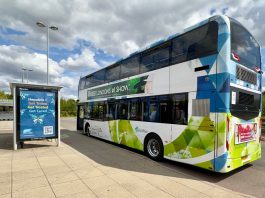
As Europe steers toward a climate-neutral future, the spotlight is firmly on the electrification of heavy-duty vehicles (HDVs).
With new regulations requiring up to one-third of all trucks and buses sold by 2030 to be zero-emission vehicles (ZEVs), the European Union’s path to decarbonisation is accelerating fast.
But there’s a major roadblock ahead: Europe’s electricity grid is not yet ready to handle the surge in demand for HDV charging.
In a recent joint statement, the European Automobile Manufacturers’ Association (ACEA) and Eurelectric issued a clear message to EU policymakers – boosting the market for electric trucks is only half the battle.
The other half lies in building a robust, future-proof charging infrastructure capable of meeting the heavy power requirements of these vehicles.
ACEA Chief Commercial Vehicles Officer Thomas Fabian explained: “A fit-for-purpose charging network for heavy-duty vehicles is essential to decarbonise road transport. But without a future-ready grid, this transition simply will not happen.
“We need the enabling conditions to be put in place to ensure an effective, efficient transition to zero-emission road transport across our continent.”
Zero-emission targets demand urgent infrastructure action
Europe’s revised CO2 regulations (EU Regulation 2024/1610) require between 300,000 and 400,000 zero-emission trucks on the road by 2030.
Complementing this, the Alternative Fuels Infrastructure Regulation (AFIR) mandates that HDV-compatible public charging stations with at least 3,600 kW total output must be installed every 60 km along the TEN-T core transport corridors.
However, the current deployment of this critical infrastructure is lagging behind, hindered by slow permitting processes, outdated regulations, and grid capacity limitations. Without rapid intervention, the electric HDV revolution may stall before it starts.
Unique power demands of heavy-duty vehicles
Unlike electric passenger cars, heavy-duty vehicles require significantly more energy to operate.
With batteries up to ten times the size and far more frequent charging cycles, electric trucks demand not only higher charging capacity but smarter planning to avoid disrupting logistics operations.
For regional deliveries and long-haul freight, timely access to reliable depot and en-route charging is essential.
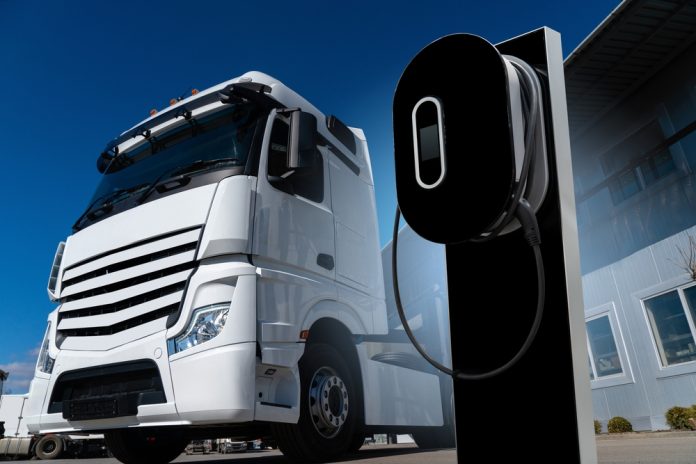
Anticipating this shift, ACEA and Eurelectric stress the importance of Megawatt Charging Systems (MCS), which are designed specifically for heavy-duty vehicles.
These ultra-fast chargers must become a standard feature of Europe’s charging network to make electric freight transport viable.
Grid operators hold the key
A cornerstone of this transition is Europe’s Distribution System Operators (DSOs), who manage the electricity networks that power our cities and roads.
To ensure grid capacity keeps pace with demand, ACEA and Eurelectric advocate for “anticipatory investments” – upgrading infrastructure in advance based on projected HDV charging needs, especially in high-traffic corridors, urban hubs, and depots.
They argue that regulatory reform is crucial. National authorities must give DSOs the mandate and funding certainty to expand the grid ahead of time rather than playing catch-up when demand outpaces supply.
Speeding up permitting and grid connections
One of the key bottlenecks identified is the sluggish pace of permitting procedures. To unlock the rapid deployment of HDV charging stations, a streamlined, standardised process across EU Member States is essential.
The digitalisation of grid connection requests and building permits, along with harmonised application standards, could dramatically shorten lead times.
A practical example comes from the Netherlands, where a public grid capacity map provides real-time visibility into available connection points.
ACEA and Eurelectric call for similar transparency tools across the EU, enabling better investment decisions and faster development.
Making electricity competitive with diesel
While technological readiness is advancing, cost competitiveness remains a concern.
Today, electricity is often taxed more heavily than diesel, discouraging fleet operators from making the switch.
ACEA and Eurelectric call for reform of the Energy Taxation Directive to level the playing field, recommending the phase-out of fossil fuel subsidies and a fairer taxation regime for electricity.
Flexible charging solutions, such as smart charging during vehicle downtime and tailored time-based electricity contracts, could also reduce costs and support grid stability.
Supply chain stability is crucial
Meeting Europe’s zero-emission HDV targets will require a rapid buildout of charging infrastructure – and that means a surge in demand for transformers, cables, and other grid components. But supply chain disruptions and rising costs threaten to slow this progress.
To stay on schedule, the EU must strengthen its industrial resilience, streamline procurement processes, and reduce component lead times. Public tenders should be simplified, and funding thresholds should be updated to reflect today’s economic conditions.
Coordinated planning and open data
Effective infrastructure rollout hinges on robust data exchange and cross-sector collaboration. OEMs, DSOs, charge point operators (CPOs), and fleet managers need access to consistent data on grid capacity, charging demand, and vehicle deployment schedules.
ACEA and Eurelectric call for interoperable digital systems and a shared European Data Space to house this information. Doing so would support strategic planning and ensure charging stations are built where and when they’re needed most.
Rethinking grid connection priorities
The current “first come, first served” model for grid connections is creating inefficiencies, with some high-demand projects left waiting.
ACEA and Eurelectric propose classifying charging for heavy-duty vehicles as “critical infrastructure” to fast-track connections and ensure fair, strategic distribution of grid capacity.
In the interim, flexible connection agreements could allow early adopters to begin operations while full upgrades are underway. However, these must be backed by regulatory clarity and a firm roadmap for delivering long-term capacity.
A call to action for Europe’s green freight future
The electrification of heavy-duty vehicles is not just a climate imperative – it’s a massive economic opportunity. But without a strong, responsive grid and smart policy support, Europe risks missing its decarbonisation goals.
ACEA and Eurelectric’s message is clear: grid readiness must be a top priority. By empowering DSOs, reforming regulation, and ensuring transparent data and fair pricing, the EU can build a charging network fit for the future of freight.