Ellie Gabel details how microclimate engineering uses sustainable design, green spaces, and smart technology to combat urban heat islands, improve air quality, and create cooler, healthier cities.
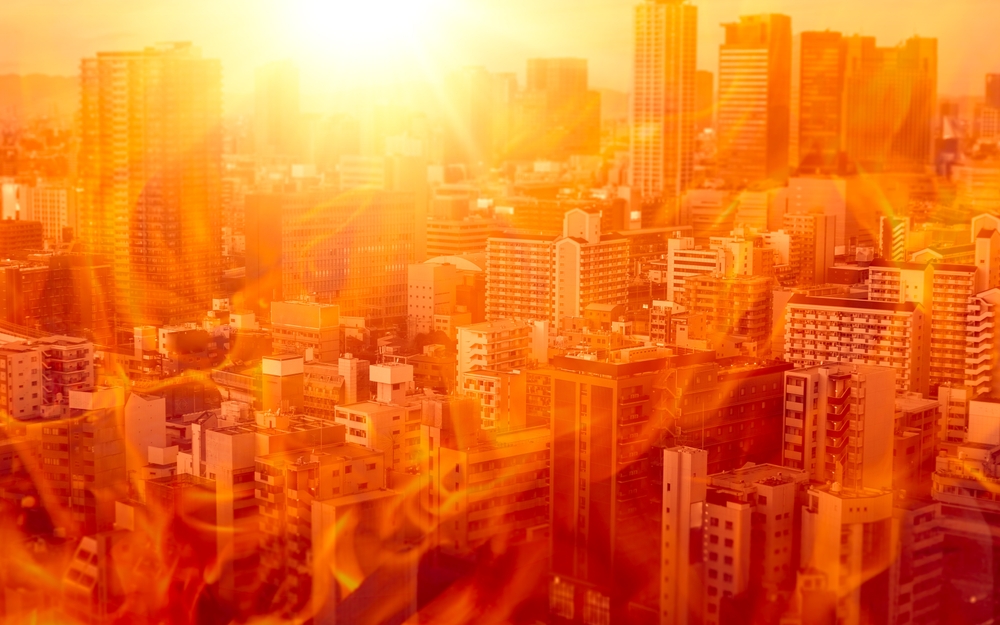
Urban surfaces can trap heat and raise local temperatures, leading to increased energy consumption for cooling and air quality issues.
Microclimate engineering employs sustainable practices to address urban challenges and enhance the quality of city living.
Understanding urban microclimates
Urban microclimates are local atmospheric conditions that differ from surrounding areas. A prime example is the urban heat island effect, where cities are warmer than nearby rural towns.
The most significant factors of the urban heat island effect are the fraction of
incoming solar radiation reflected by a surface, the percentage of green space and population density.
Data from 65 US cities show the urban heat island effect raises temperatures about 8 degrees Fahrenheit, and heat intensity varies in urban areas.
Cincinnati’s is concentrated in its core, Chicago’s is diffused across intense heat zones, and Houston’s is spread over a vast developed land area.
Principles of microclimate engineering
Microlimate engineering is the practice of managing and modifying an area’s climate to increase comfort, functionality or sustainability.
Urban design, material choice and vegetation all play a role in effectively controlling a thermal environment. There are two main strategies:
- Passive cooling leverages natural elements such as ventilation, shade and thermal mass to minimise the need for mechanical cooling.
- Active cooling methods involve mechanical systems like fans, pumps and refrigeration to remove heat when passive strategies are insufficient.
Innovative technologies and nature-based solutions
The type of material used in urban architecture can either work for or against the urban heat island effect. Metals are heat conductors, so they quickly absorb and transfer heat, and concrete and bricks have high thermal mass.
Generally, dark colours absorb more heat. Conversely, light-coloured or reflective surfaces can bounce sunlight away rather than absorbing it. Windows can utilise reflective films or awnings, and roofs can be painted with highly reflective coatings.
Green spaces and vegetation can also help mitigate the urban heat island effect by providing shade that reduces surface temperatures. Urban park trees collectively can remove up to 711,000 tons of airborne toxins each year, improving the environment and public health.
Along with urban forests, cities can implement green roofs and walls or water-based cooling systems, such as fountains and misters.
Another key innovation is the integration of smart technology. Real-time sensors monitor environmental factors such as temperature, humidity and sunlight. Adaptive systems can use this live and historic data to improve efficiency and cooling.
Global leaders in urban cooling
Several cities worldwide are combating microclimates and the urban heat island effect with cooling techniques:
- Singapore’s Green Plan 2030 aims to expand park networks significantly and restore natural urban environments. These ambitious goals include planting 1 million more trees and ensuring every household is within a 10-minute walk of a park.
- StreetsLA is Los Angeles’ cool pavement program that uses a coating that reflects infrared light to lower heat absorption. It has lowered ambient temperatures by 1.5 degrees F on typical sunny days, with a more significant reduction of up to 3.5 degrees on extremely hot days.
- Fraîcheur de Paris is currently Europe’s most extensive urban cooling system. To meet the rising demand for air conditioning, Paris draws water from the Seine River into cooling power stations and underground pipes.
Planning and community engagement
Policy frameworks support microclimate engineering at various government levels. The EPA’s Heat Island Community Actions Database includes mandatory and voluntary actions for urban heat mitigation, including green construction codes, urban forestry grants and cool pavement pilot programs.
On a more local level, Miami’s Forever Climate Ready: Extreme Heat plan provides actions to address ambient heat by focusing on shade, water and design.
In Europe, policy instruments promote urban nature-based solutions (NBS) that address environmental and social challenges, and France’s MApUCE project uses microclimate and energy data to establish a framework for considerations in public policy.
Microclimate engineering is at its best when city planners, scientists and communities work together to formulate comprehensive solutions.
Urban heat island effects disproportionately impact low-income communities and communities of colour compared to wealthier, predominantly white residents, highlighting the importance of equity and access when addressing this issue. Urban planning must consider accessibility and inclusivity.
Trends and research needs in urban design
Global climate change will continue to increase urban heating and weather events, but microclimate engineering approaches can help manage the effects.
As many cities increasingly prioritise green infrastructure and other NBS, further research should focus on continuously evaluating their effectiveness and developing innovative methods for integrating solutions into existing urban environments.
Resilient and sustainable infrastructure is another focal point of urban design. Construction processes produced an estimated 37% of global emissions in 2022.
New infrastructure can be designed to incorporate renewable energy sources during its construction and operational phases, which helps reduce carbon emissions that significantly contribute to atmospheric warming.
Emerging trends in microclimate engineering include artificial intelligence, the Internet of Things, digital twins and climate modelling.
These enable improved decision-making based on real-time data. Microclimate engineers should explore how innovative technology can help optimise urban operations.
Creating a cooler tomorrow
Controlling the thermal environment can lead to a higher quality of life in urban areas.
City planners can take passive or active approaches to mitigate the urban heat island, from planting vegetation and using light colours to installing humidity sensors and solar-powered fans.
Continued innovation and collaboration can lead to the development of cooler urban spaces.