The NHS is set to pilot an AI-powered ‘one-day diagnostics’ service for prostate cancer that could dramatically shorten the time men wait for a prostate cancer diagnosis.
The new system, backed by NHS England, uses AI to analyse MRI scans within minutes – potentially slashing waiting times by weeks and enabling faster access to treatment.
Launching early next year at Leeds Teaching Hospitals NHS Trust, the initiative will offer all key investigations for suspected prostate cancer in a single day.
Around 100 men are expected to take part in the initial pilot, which could pave the way for national adoption across up to 15 NHS hospitals.
UK Health Secretary Wes Streeting believes the AI tool will transform diagnostics for the disease: “Prostate cancer is a devastating disease impacting thousands of men every year – and what makes this already incredibly challenging situation worse for these men is long waits for test results, diagnosis, and treatment – it’s needlessly distressing for them and their families.
“By harnessing the power of technology, we are revolutionising our NHS and tackling this, with AI able to deliver same-day prostate cancer diagnosis – delivering better outcomes for patients and fast support for doctors.
“This is modernising the NHS, making it fit for the future and boosting productivity and efficiency – ending needlessly long and apprehensive waits for test results, enabling patients to begin treatment as fast as possible and saving lives”.
AI tool ‘Pi’ offers near-instant scan interpretation
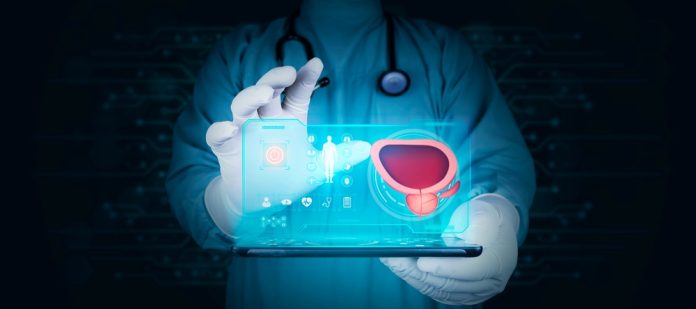
At the heart of the project is Pi, an AI diagnostic tool developed by Lucida Medical. The software rapidly scans MRI images to detect abnormal lesions that could indicate cancer.
If Pi flags a high-risk case, the scan is immediately prioritised for review by a radiologist, allowing patients to be booked in for a same-day biopsy.
This streamlined approach gives doctors everything they need to either rule out the disease on the spot or confirm a prostate cancer diagnosis within days.
Research suggests the technology can detect up to 95% of cancers, potentially transforming the accuracy and speed of prostate screening.
Tackling delays and improving early detection
Under current NHS guidelines, men referred urgently by their GP should undergo an MRI and biopsy within seven days.
However, in many areas, shortages of specialist radiologists mean waits can stretch much longer.
The AI-assisted pathway aims to ensure more men receive a confirmed diagnosis – or the all-clear – within the NHS’s 28-day target for suspected cancer cases.
With over 56,000 men diagnosed with prostate cancer in England each year and around 12,000 deaths annually, the need for faster detection has never been more urgent.
Prostate cancer remains the most common cancer among UK men, accounting for over a quarter of all male cancer cases.
Professor Peter Johnson, NHS National Clinical Director for Cancer, echoed the potential of the technology: “We’re really excited by the potential of AI to speed up cancer diagnosis, and we hope this trial of an AI-powered ‘one-day diagnostics’ could be a game changer and help save men weeks of worry and uncertainty.
“As with all cancers, speed is crucial – the quicker the diagnosis, the sooner treatment can begin and help give the best chance of treatment being successful for patients and their families.
“Prostate cancer continues to have a devastating impact on tens of thousands of men and their loved ones every year in this country.
“We are determined to see more patients diagnosed or given the all-clear quicker, and combining the latest technology with this new testing pathway will give clinicians the tools they need to provide patients with peace of mind or pin down a cancer diagnosis as soon as possible”.
A vision for nationwide rollout
If the Leeds trial proves successful, the NHS plans to expand the one-day diagnostics model nationwide.
The technology could even be deployed in community diagnostic centres, bringing care closer to home and easing hospital workloads.
Experts believe the AI-powered approach could help thousands of men each year receive quicker, more accurate results – reducing anxiety, improving survival rates, and setting a new gold standard in prostate cancer diagnosis.