EIC Bugs4Urate project pioneers living therapies and personalised nutrition to transform early gout prevention and metabolic health.
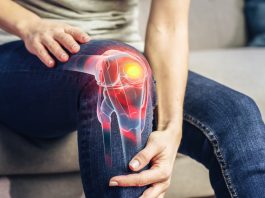
For centuries, gout has carried an almost mythical image: swollen joints, excruciating pain, and an unfair link to indulgence. Yet, behind the historic caricature lies a modern public health challenge. Gout is the clinical endpoint of a long, silent process called hyperuricaemia with elevated levels of uric acid in the blood. Left unchecked for years, these uric acid molecules crystallise into needle-sharp monosodium urate deposits, sparking severe inflammation, tissue damage, and disabling pain.
Globally, gout is increasing as diets change and life expectancy rises. Today, around 4% of adults in Europe and the US live with the disease, and even more have undetected hyperuricaemia. The condition doesn’t just hurt; it is linked to cardiovascular disease, kidney impairment, and metabolic disorders. Despite effective urate-lowering drugs, many patients struggle with side effects, lifelong adherence, and delayed diagnosis.
A radically different idea: Biology versus biochemistry
Funded by the European Innovation Council (EIC) Pathfinder programme and led by the University of Copenhagen with a network of European academic (Örebro University, Leiden University Medical Center and International Iberian Nanotechology Laboratorium) and industrial (Beo Therapeutics and Neobiosys) partners the Bugs4Urate project explores a novel strategy: using carefully selected beneficial microbes to help break down urate and its precursors before they trigger disease.
The vision is elegant. Certain microbes in nature found in soil, human and animal guts, and environments naturally possess enzymes capable of converting uric acid into harmless metabolites. Bugs4Urate aims to discover, refine, and adapt these pathways to the human gut, creating a living therapy that could lower serum urate levels safely and sustainably.
“If we can reduce uric acid biologically, we may one day prevent gout before it ever flares,” said the project’s lead investigator. “Our approach is inspired by the microbiome itself, where we’re simply adding back missing functions.”
Inside the science: Four pillars of innovation
Bugs4Urate weaves together cutting-edge microbiology, systems biology, and translational medicine to transform how we might control urate levels. The solution is standing on the shoulders of nature’s diversity, where scouring genomic databases and collecting samples from diverse environments were used to discover naturally occurring microbes and enzymes that can break down urate. Within the project, these candidate microbes are optimised for stability and performance in the human gut.
To anticipate how these living therapies will behave inside the complex human ecosystem, researchers use predictive modelling. Digital twins of the gut microbiome and metabolic pathways allow the team to explore how introduced microbes might integrate, compete, and interact with human physiology. Finally, early laboratory and preclinical studies test whether these microbial therapies can lower urate levels and reduce inflammation, paving the way toward clinical trials in 2026.
Why it matters and not just for gout
The approach behind Bugs4Urate is bold but potentially transformative. By tackling hyperuricaemia before it progresses to gout, the project aims to shift care from crisis management to true prevention, sparing patients years of pain and reducing long-term disability and healthcare costs. At the same time, a biological strategy could offer a gentler alternative to traditional urate-lowering drugs, avoiding some of the side effects that limit adherence and quality of life.
Because the therapy works through the gut microbiome, it also taps into a powerful natural system that shapes metabolism and inflammation throughout the body. And the knowledge gained from developing safe, precisely tuned microbial therapies may extend far beyond gout. The same principles could inspire new ways to manage other metabolic conditions, such as high cholesterol, oxalate kidney stones, or metabolic syndrome, opening an entirely new therapeutic platform.
Facing complexity head-on
Innovation at this frontier means confronting serious challenges. Safety comes first: any microbial therapy must be non-pathogenic, controllable, and rigorously tested. People’s gut ecosystems differ widely, which may influence how introduced microbes perform. Regulators will also need clear evidence that reducing urate translates into fewer painful flares and better lives.
Bugs4Urate’s strategy reflects this complexity – from safety engineering to advanced modelling of host-microbe-metabolite networks. The team also works with clinicians, regulatory experts, and patient voices to shape a therapy that is effective, safe, and acceptable.
Europe’s innovation engine at work
The EIC Pathfinder programme backs high-risk, high-gain science with real potential to disrupt existing paradigms. Bugs4Urate fits that brief precisely: an ambitious, collaborative, and translational effort that could create an entirely new category of treatment. Alongside the University of Copenhagen, partners bring expertise in metabolic disease, microbiome engineering, analytical chemistry, computational biology, preclinical development and clinical testing.
Looking ahead
The journey from concept to clinic is still long. However, clinical trials are going to be run in 2026 to confirm efficacy and safety. For the millions living with gout or silent hyperuricaemia, that possibility is deeply hopeful: an approach that does not just manage pain after damage is done but targets the earliest chemical imbalance.
Innovation with a human face
Beyond science and policy, Bugs4Urate’s story is also about changing how we think of disease prevention. By tapping into nature’s own problem-solvers – microbes – the project imagines a future where chronic metabolic conditions might be intercepted safely and sustainably.
“We want to show that biology itself can be part of the solution,” said the team. “It’s an exciting step towards personalised, microbiome-based medicine.”
Key contributors
Professor Robert Brummer and Julia König (Örebro Uni)
Assistant Professor Noortje de Haan (LUMC)
Rikke Nielsen (BEO)
Catarina Goncalves and Professor Lorenzo Pastrana (INL) Gregory Chambon and Maurine Fayet (Neobiosys)
Please note, this article will also appear in the 24th edition of our quarterly publication.