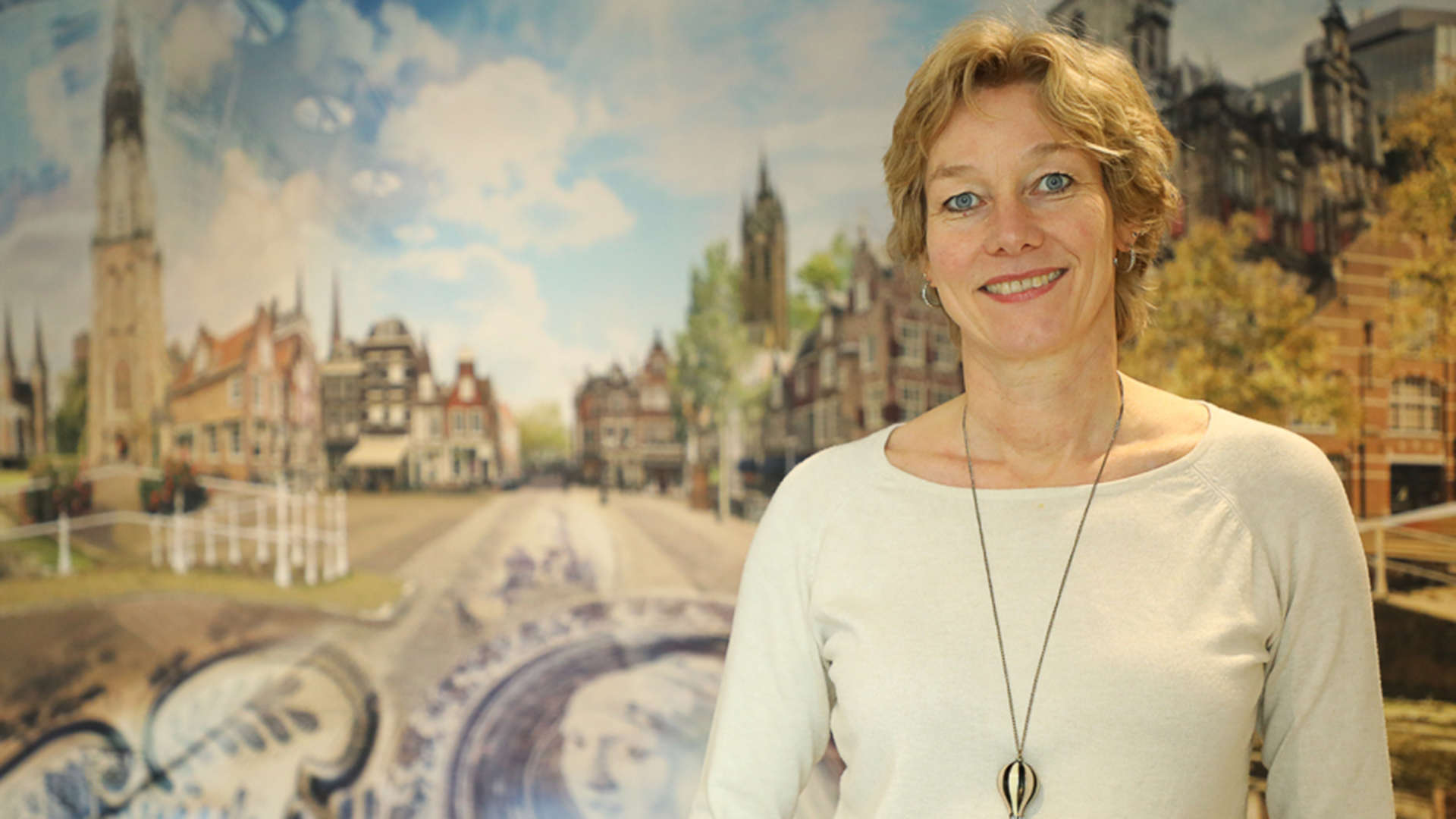
Cindy Gerhardt, Founder and Managing Director of Planet B.io., introduces the biotech scale-up ecosystem designed to accelerate the transition to a sustainable, biobased, and circular society.
From cultivated meat to sustainable biofuels, innovations in biotechnology are helping to tackle some of the biggest challenges threatening planetary health across the globe. With the demand for biosolutions growing alongside the urgency to transition to net zero production and protection of biodiversity, it is essential that companies in this sector join forces to drive the biotech revolution.
Based in Delft in the Netherlands, Planet B.io offers a unique ecosystem focused on industrial and food biotechnology. The organisation works to accelerate the transition to a sustainable, biobased, and circular society by establishing an open innovation network which empowers businesses to create impactful biotech solutions. To find out more, The Innovation Platform spoke to Cindy Gerhardt, Founder and Managing Director of Planet B.io.
Can you tell us more about Planet B.io in Delft?
Delft has a strong history in microbiology (with Van Leeuwenhoeks first microscope in the 17th century), industrial biotechnology (with the first baker’s yeast factory in 1869) and biotech food ingredients (with the first microbial, recombinant chymosin in 1986). Building on these roots, Delft is now the Dutch innovation hub fully focused on industrial biotech, also referred to as biosolutions.
The driver in our sector has changed from cost-effective production of natural compounds through microorganisms, to sustainable production from renewable resources with lower environmental impact.
Technically, microorganisms are incredibly powerful in terms of what they can grow on, and what they can produce. However, cost-effective production at scale, regulation, and consumer acceptance can form significant hurdles to successful commercialisation.
This is where Planet B.io comes in. We support the creation and business validation of new biotech startups, we help young companies to grow, and we assist established companies to identify open innovation opportunities. In addition, we support the sector, e.g. by engaging in dialogues with Dutch and European policymakers to debottleneck regulatory procedures. We also actively promote new financial instruments to support the risky and expensive journey to scaling up.
At Planet B.io, we believe in the power of collaboration. Firstly, we are a foundation that is supported by a public-private collaboration of six different organisations that each contribute to our success. dsm-firmenich is our anchor company – a global biotech giant with a headquarter in Delft. The Delft University of Technology (TU Delft) is a key supplier of research collaborations, talent, and new startups. The municipality of Delft, the Province of South Holland, and the regional investment agent InnovationQuarter support us within the broader Innovation District – the number one startup and scaleup ecosystem in the Netherlands. And last but not least, a.s.r. Dutch Science Park Fund, our landlord, takes care of our existing and new buildings on the campus.
Secondly, we run a local, fast-growing community of currently 29 biotech companies on the Biotech Campus Delft. We protect our focus on industrial biotech – our companies navigate in the world of fermentation and bioreactors to sustainably produce food, feed, chemicals, or materials. We offer affordable, shared spaces to early-stage startups, all the way up to state-of-the-art, single tenant buildings, allowing our companies to grow without having to leave our campus and risk losing their personnel. We value personal contact and support each of them in their journey to grow. We organise biotech events but also invest in a strong community on campus, offering foods, sports, and fun.
Thirdly, we are constantly expanding our expert network outside of Delft. We are proud to collaborate with experts in all fields, whether technical, business, or political. We engage in European partnerships and are preparing to reach out globally.
What are the biggest opportunities for biotech in planetary health?
Firstly, I would say food. With a world population growing towards 10 billion in the next decades, we know it will be impossible to provide sufficient animal protein to all global citizens. Biotechnology provides excellent opportunities to support the protein transition – the move away from consumption of traditional, animal farmed proteins. Precision fermentation of, for example, milk or egg proteins is a powerful way to produce individual, nature-identical proteins from microorganisms, and commercialisation is growing globally. A bit further away from market introduction, but studied extensively, are cell-cultivated products. I expect the first to be ingredients like cell-cultivated fat that improve the flavour of plant-based meat alternatives. In a next stage, whole cut products based on muscle, fat, and connective tissue may become available.
I also see important opportunities in the upcycling of our waste. Agricultural or municipal side streams, or even chemical waste like emission gases, can be used as feedstock for microorganisms, and turned into useful base molecules like ethanol, or more complex molecules like proteins. Certain microorganisms like fungi, yeast or bacteria don’t require any gene editing or complex downstream processing, as their mere biomass can function as food, feed, or biomaterials.
Interestingly, biotechnology has been mentioned increasingly in the context of geopolitical tension and dual use, as it brings opportunities to create economic autonomy through local sourcing and production.
On the technical side, we see miniaturisation, robotisation, digitalisation and AI spreading rapidly through the field of biotechnology. The benefits are widespread, from fast and efficient discovery to highly controlled, optimised industrial production.
And what are the biggest challenges ahead?
Biotechnology is a powerful technology, and on lab scale almost everything is possible. The challenges come in when we need to scale the production process, which requires specific knowledge and high investments. The risk of investment is significant, as demo-size production needs to be in place ahead of regulatory approval and market acceptance. Regulatory approval is slower in Europe than in most other areas in the world, causing a risk of companies preferring to move out of Europe. Market acceptance of biotech products can be sensitive and needs to be orchestrated very carefully. Price, performance, and safety are key and need to be communicated transparently.
Where do you hope that Planet B.io will be in five years’ time?
I hope that Planet B.io will be recognised as the European biosolutions hub for planetary health. We aim to have up to 50 companies on our campus, including one or two new corporates. I also hope that we can upgrade our greenfield land with shared production facilities to allow our scaleups to produce in Delft. In addition, I would love to see positive results from the new European legislation, like the EU BioEconomy Strategy and the EU Biotech Act, creating better conditions for innovative startups to grow in Europe.
I hope my team remains a dream team. We have an amazing group of ten people working together, driven by the same deep intentions to create a better world with biotech. I hope the team continues to grow alongside the number of companies in our community, and the size of our national and international network.
Whatever happens, we will remain driven by our fundamental belief that collaboration is needed to bring innovation to an economic and societal success. New sectors need an innovation ecosystem such as Planet B.io to orchestrate the interests of companies, research institutes, NGOs, political bodies and financial institutes, and join forces. It’s been said before, but I’d like to repeat it: if you think you can do it alone, you are not thinking big enough.
Please note, this article will also appear in the 24th edition of our quarterly publication.