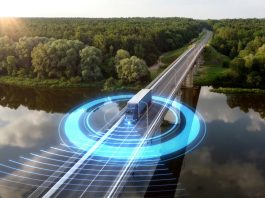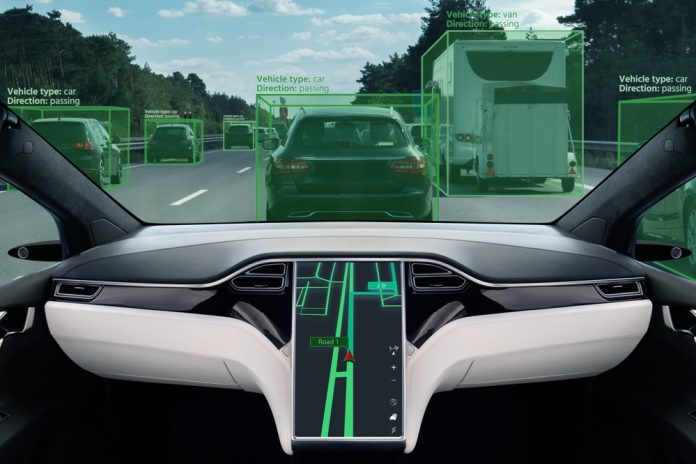
From 2026, self-driving vehicles without a safety driver will be available for booking via an app for the first time.
Nearly 40,000 jobs could be created, roads could be safer, and billions could be added to the economy as the self-driving vehicle pilots roll out.
Today, UK Transport Secretary Heidi Alexander confirmed that the government will fast-track the introduction of commercial self-driving cars on England’s roads to spring 2026.
Firms will be able to pilot small-scale ‘taxi- and bus-like’ services without a safety driver for the first time, which could be available to members of the public to book via an app, before a potential wider rollout when the full Automated Vehicles Act becomes law from the second half of 2027.
How self-driving vehicles promote road safety
Innovation, world-leading regulation, and road safety will be at the forefront of the pilots, with self-driving vehicles aiming to reduce human error, which contributes to 88% of all road collisions.
The Automated Vehicles Act will require self-driving vehicles to achieve a level of safety at least as high as competent and careful human drivers, and they will undergo rigorous safety tests before being allowed on our roads.
By having faster reaction times than humans and being trained on a large number of driving scenarios, including learning from real-world incidents, self-driving vehicles can help reduce the number of deaths and injuries.
Unlike human drivers, AVs can never get distracted or tired, and they won’t drink and drive or speed.
Boosting employment and the economy with new advanced tech
Bringing forward the pilots of self-driving cars will help the government deliver the Plan for Change, creating 38,000 jobs, driving investment in British engineering excellence, and establishing an industry worth £42bn by 2035.
“The future of transport is arriving. Self-driving cars could bring jobs, investment, and the opportunity for the UK to be among the world leaders in new technology,” explained Heidi Alexander.
Self-driving vehicles can also enhance transportation for millions of people, offering greater choice and flexibility to travel more easily.
They could introduce new public transport options in rural areas to enhance connectivity for local communities and improve mobility, accessibility, and independence for people who can’t drive.
The current state and future of the UK’s thriving autonomous industry
Trials for self-driving vehicles have already been taking place in the UK since January 2015, with British companies Wayve and Oxa spearheading significant breakthroughs in the technology.
However, from spring 2026, self-driving cars without a safety driver will be available for booking via an app for the first time.
The UK is already host to a thriving self-driving sector. Wayve secured a record-breaking investment of over $1bn and announced recent partnerships with Nissan and Uber, while Oxa has already supported ‘bus-like’ services in the US and started rolling out self-driving vehicles at Heathrow Airport to improve baggage handling.
Technology Secretary Peter Kyle concluded: “It’s great to see the UK storming ahead as a global leader in using this technology, making our roads safer, travel easier and driving growth by spurring innovation across the country.
“That’s why we’re bringing timelines forward today, placing the UK firmly in the fast lane and creating opportunity along the way so people across the country benefit.”