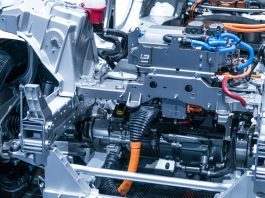
The UK Government’s newly-launched electric car grant supports the transition to zero-emission vehicles and incentivises sustainable automotive manufacturing.
The electric car grant makes it easier and cheaper to own an electric vehicle through its £650m funding for new EVs.
This intervention gives clarity about the government’s commitment to the zero-emission vehicle transition, at a time of unprecedented uncertainty for the automotive sector.
How the electric car grant works
The electric car grant enables manufacturers to purchase brand-new EVs priced at or under £37,000.
Grants of £1,500 or £3,750 will make these cars more affordable, enabling even more people to access the savings associated with driving electric.
The grant will help unlock further potential savings of up to £1,500 per year in running costs for drivers, supporting UK and other manufacturers.
Eligibility is dependent on meeting the highest manufacturing sustainability standards, thereby driving growth in our automotive and charging sectors.
Grants are available from tomorrow (16 July 2025), subject to confirmation of vehicle eligibility by the Department for Transport.
A list of eligible vehicles will be updated on the department website as vehicles are approved. The scheme has funding available until the financial year 2028-2029.
The closure date will remain under review, and the electric car grant may be subject to amendment or early closure without notice should funds become exhausted.
Sustainably produced cars will benefit
The electric car grant has two bands. £3,750 for the most sustainably produced cars and £1,500 for cars that meet some environmental criteria.
This is in recognition of the need to address both embedded carbon emissions throughout a vehicle’s lifetime and tailpipe emissions. Vehicles that don’t meet minimum sustainability standards won’t be eligible for a grant.
The minimum environmental criterion is for manufacturers to hold a verified science-based target. Science-based targets are commitments corporate entities make to reduce their environmental impact, in line with the UK’s international climate commitments, which are verified by the independent Science Based Targets Initiative.
The amount of the grant available per vehicle will depend on the level of emissions associated with the vehicle’s production.
Ramping up EV charging infrastructure
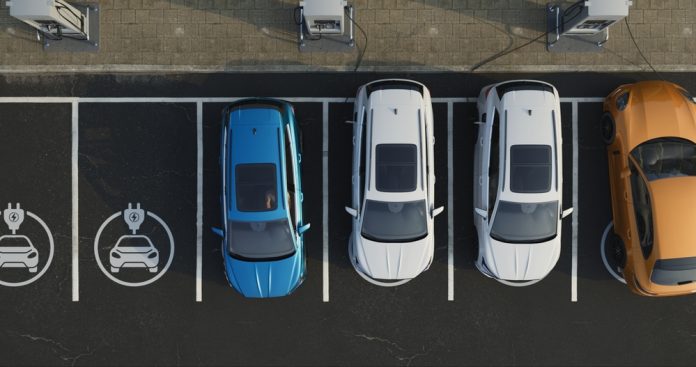
The government has also announced a wider package of measures to support the continued deployment of charging infrastructure.
These include £25m of funding to deliver cross-pavement charging channels, £30m grant funding to install chargepoints at depots for vans, coaches and HGVs, supporting the transition of the road freight and coach sectors, £8m of funding to install chargers at NHS sites and changes to allow EV hubs to be signed from major roads.
All of these measures will support the more than £6bn of private funding already in the pipeline, further boosting the UK’s chargepoint rollout by 2030.