Satellite data is playing a crucial role in addressing climate change, offering a comprehensive view of the planet’s environmental shifts.
With real-time monitoring capabilities, it highlights critical areas such as deforestation and greenhouse gas emissions. This information is essential for scientists and policymakers aiming to develop effective strategies.

Yet, the full potential of satellite data extends beyond current applications. What innovative solutions might emerge as this technology continues to evolve?
A planet under pressure: Why we need a global view
As climate change accelerates, understanding its global implications becomes increasingly vital.
The planet faces unprecedented challenges, including rising temperatures, extreme weather events, and dwindling natural resources.
These issues do not respect national borders; they affect ecosystems and communities worldwide. Consequently, a comprehensive global perspective is essential for effective mitigation and adaptation strategies.
Scientists and policymakers require insights into climate trends, impacts, and potential solutions on a macro scale. This global view enables them to identify patterns, assess vulnerabilities, and prioritise actions across different regions.
Furthermore, it facilitates international collaboration, as countries can share data and resources to combat climate change collectively.
The urgency of addressing climate change necessitates an integrated approach, where understanding the interconnectedness of environmental systems is paramount.
By adopting a global perspective, stakeholders can better navigate the complexities of climate change and work towards sustainable solutions for the planet.
Eyes in the sky: How Earth observation works
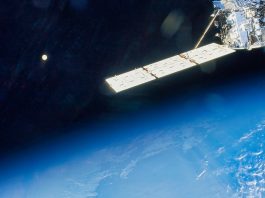
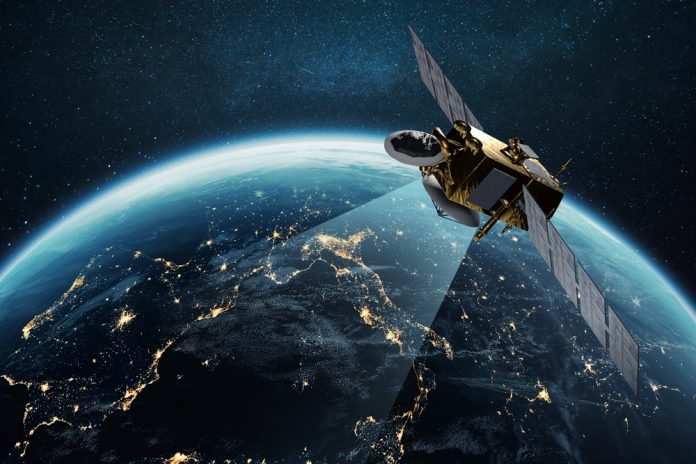
Satellite technology plays a pivotal role in monitoring the Earth’s climate systems and providing critical data that supports a global understanding of climate change.
Utilising advanced sensors and imaging techniques, satellites collect vast amounts of information about the Earth’s surface, atmosphere, and oceans.
These observations allow scientists to analyse temperature variations, track cloud formations, and measure greenhouse gas concentrations.
Earth observation satellites operate in various orbits, each designed for specific purposes, such as monitoring weather patterns or assessing land use changes.
Data gathered from these satellites is processed and analysed to identify trends and anomalies in climate behaviour.
Tracking change in real time: From forests to ice sheets
While the impacts of climate change are often gradual, satellite technology enables scientists to track these changes in real time across diverse ecosystems, from lush forests to melting ice sheets.
This capability provides critical data on deforestation rates, biodiversity loss, and glacial retreat, allowing for immediate analysis of environmental shifts.
Advanced sensors capture high-resolution images and measurements, revealing alterations in vegetation health and ice dynamics.
For instance, forest canopies can be monitored for changes in biomass and species composition, while polar regions are scrutinised for ice mass loss and sea level rise implications.
By integrating satellite data with ground observations, researchers can enhance their understanding of climate patterns and their effects on various habitats.
This real-time tracking not only informs scientific research but also raises public awareness, bringing urgency to the global response against climate change.
As such, satellites serve as vital tools in the continuous monitoring of our planet’s health.
Turning satellite data insights into climate solutions
Harnessing the wealth of data generated by satellites, researchers are transforming insights into actionable climate solutions. This data enables the identification of emission hotspots and the monitoring of vital ecosystems, allowing for targeted interventions.
For instance, satellite imagery assists in assessing deforestation rates, leading to more effective conservation strategies. Moreover, satellite data aids in optimising renewable energy deployment by pinpointing areas with the most potential for solar and wind energy generation.
Collaboration between scientists, policymakers, and businesses is crucial in translating these insights into practical applications. Governments can utilise satellite data to develop regulations and incentives that promote sustainable practices.
Additionally, companies can use this information to enhance supply chain transparency and reduce their carbon footprints.
Overall, satellite data serves as a cornerstone in the effort to combat climate change, providing the necessary information to drive effective solutions and foster a more sustainable future.
The future from orbit: Building a climate-resilient world
With a solid foundation laid by satellite data-driven insights, the potential for a climate-resilient future appears promising.
Satellites provide critical information on weather patterns, land use, and greenhouse gas emissions, enabling policymakers and scientists to make informed decisions.
This data facilitates the development of adaptive strategies for agriculture, urban planning, and disaster management, essential for mitigating climate impacts.
As satellite technology continues to evolve, the integration of artificial intelligence and machine learning will enhance predictive capabilities, allowing for more proactive responses to environmental challenges.
Countries can leverage this information to build infrastructure that withstands extreme weather events, ensuring the safety and sustainability of communities worldwide.
Furthermore, collaboration among nations in sharing satellite data can foster a unified approach to tackling global warming.
By harnessing these orbital insights, humanity can pave the way toward a more resilient and sustainable future, ultimately safeguarding ecosystems and human livelihoods against the effects of climate change.