


Innovation News Network brings you the latest research and innovation news from the fields of science, environment, energy, critical raw materials, technology, and electric vehicles.
Hydrogen substitution for eco-friendly electricity production
Discover how hydrogen substitution can boost the performance of transition metal oxides and limit their high thermal conductivity.
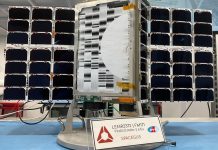
Space debris tracking satellite launched on SpaceX Transporter-7
The OeWF has launched its groundbreaking space debris tracking satellite – ADLER-2 – on board SpaceX's Transporter-7 mission.

Fast-tracking one of the world’s highest-grade graphite projects
GreenRoc Mining has a source of high-quality graphite that will help address the critical supply shortage caused by increasing demand.

Aluminium recycling process offers extended electric vehicle battery range
Find out how this award-winning recycling process transforms scrap metals into new materials that will extend electric vehicle battery range.

Facilitating battery chemistry innovation to meet demand
New battery chemistry needs to be developed to ensure that the growing demand for batteries for the green energy transition is met.

Major reform of renewables scheme will hugely improve energy security
An overhaul of the government’s renewable energy scheme will improve energy security and drive further investment in renewable deployment.

Distributing ZenGUARD™-enhanced surgical masks to the Canadian health sector
Discover Zentek's next steps in the commercialisation of its graphene-based nanotechnology, with the distribution of enhanced surgical masks.

Space based solar power plant concepts in development with ESA
ESA has signed contracts for two concept studies for commercial-scale space based solar power plants, a vital step in its SOLARIS initiative.

Revolutionary zero emission vehicle concept unveiled by First Hydrogen
First Hydrogen Corp. has revealed exciting new concept images for the company’s groundbreaking zero emission vehicle.

Aviation decarbonisation will be crucial in coming years, says UK Government
A gradual two-year plan for aviation decarbonisation aims to reach ‘jet zero’ by 2050, which will be faster than any other G7 country.